Can Snake Plants Survive Winter? Hardiness Zone Guide
You bought a snake plant because the tag said hardy to zone 9. So you planted it outside. The first hard freeze turned it to mush.
What happened? The problem isn’t the plant. It’s that a zone rating without context can set you up for failure.
The snake plant hardiness zone number only tells part of the story.
In our research, the USDA Plant Hardiness Zone Map defines a “minimum average temperature” for each zone. That’s an average, not an absolute low. A zone 9b area might see 28°F once a decade, but the map still says 9b.
Snake plants (Dracaena trifasciata) tolerate those brief dips only if the soil is bone dry and the cold doesn’t linger. Most gardeners never get that warning. Let’s break down what those numbers really mean and how to work with your actual climate.
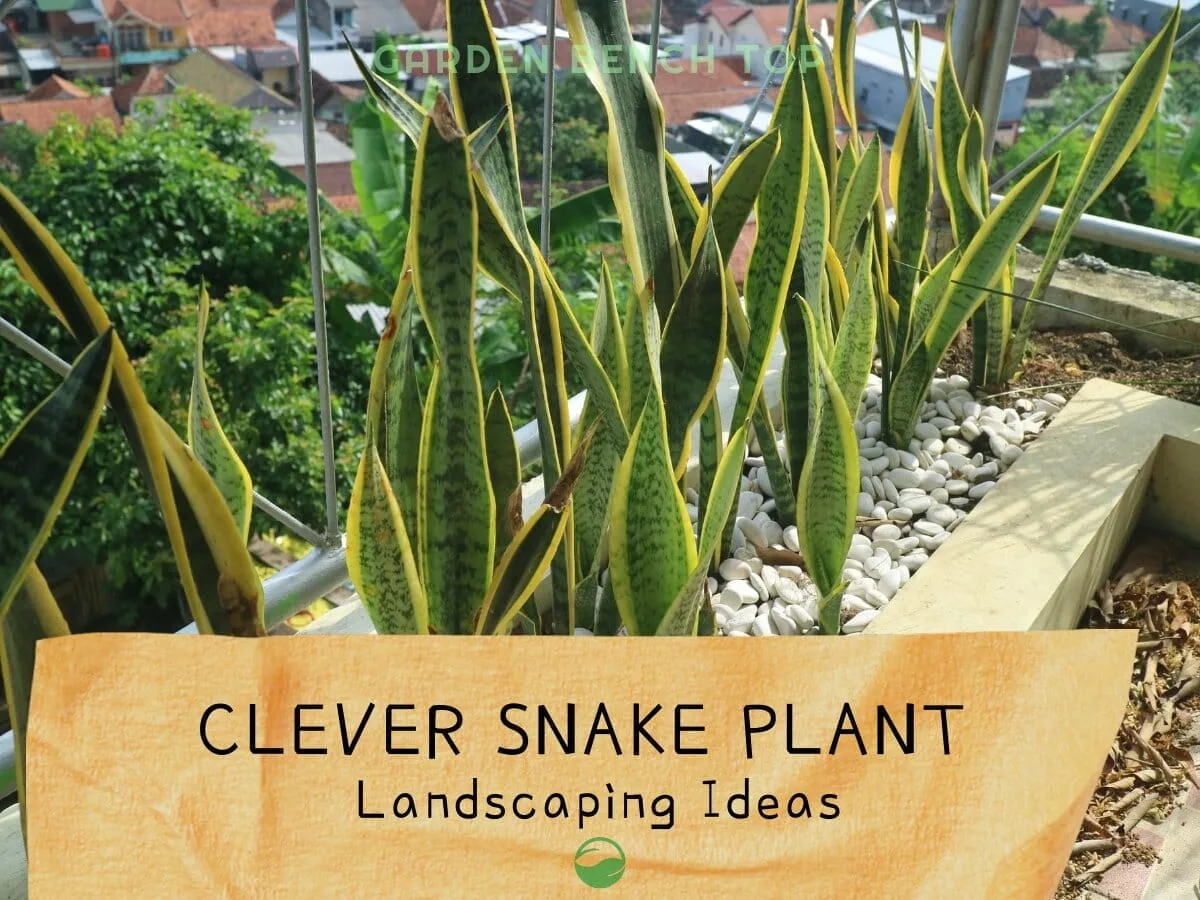
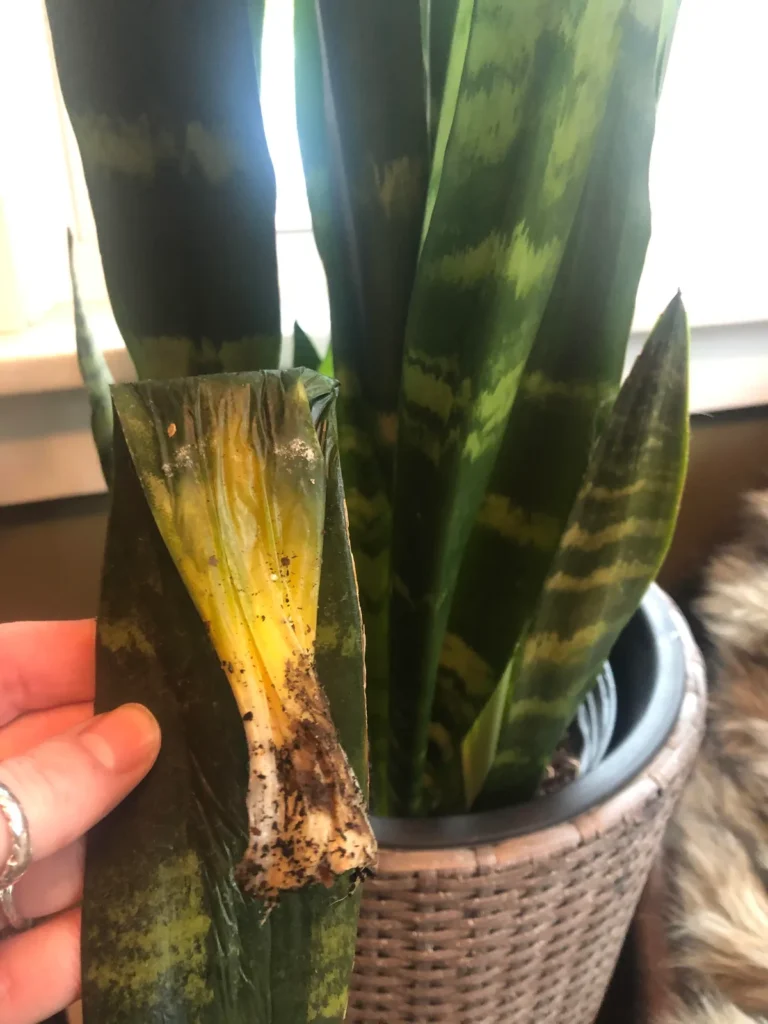
Image source: Bing (Web (fair-use with source credit))
Quick Answer
Snake plants survive outdoors year-round in USDA zones 9 through 11. In zone 9, they need a sheltered spot. In zone 8, they must be in pots.
In zone 7 and below, bring them inside before frost. The map tells you average extremes, not every cold snap. Always check your microclimate and soil drainage.
Why “Hardy to Zone 9” Is a Trap for Most Gardeners
That label you see on nursery tags, “hardy to zone 9”, makes it sound like a blanket guarantee. It’s not. The USDA zone system works fine for hardy perennials.
Snake plants are tropical perennials. Their root system can’t handle frozen soil for more than a few hours.
The real danger zone is 9a. A 9a winter can dip to 20°F. Snake plant leaves freeze at 30°F.
That doesn’t mean the whole plant dies. But if the ground freezes deep enough to reach the rhizomes, you lose it. In 9b (25 to 30°F), you’re safer.
One freak cold night can still cause damage.
Many gardeners in zone 8 see “hardy to zone 9” and think they can push it. If you’re growing snake plants in the ground south of zone 9b, you’re gambling. The label never mentions wet soil, pot vs. ground, or microclimate.
That’s the trap.
When a tag says “zone 9,” it assumes the plant is already acclimated to your outdoor conditions. A snake plant that grew inside a warm greenhouse all spring and is suddenly planted in October has zero cold tolerance. It needs a full growing season outdoors to thicken its leaves and build sugar reserves before winter.
If you’re serious about keeping them alive through the season, our outdoor snake plant care guide explains the full fall prep in detail.
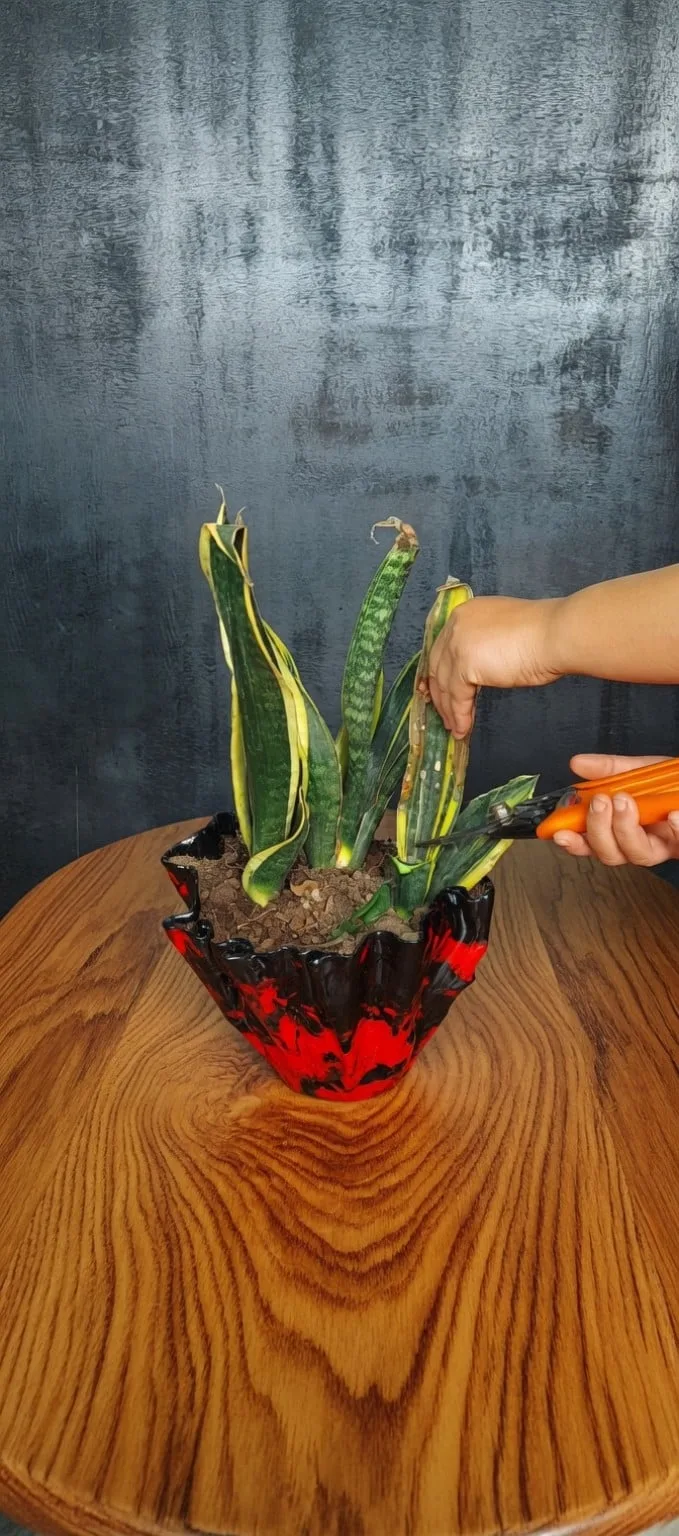
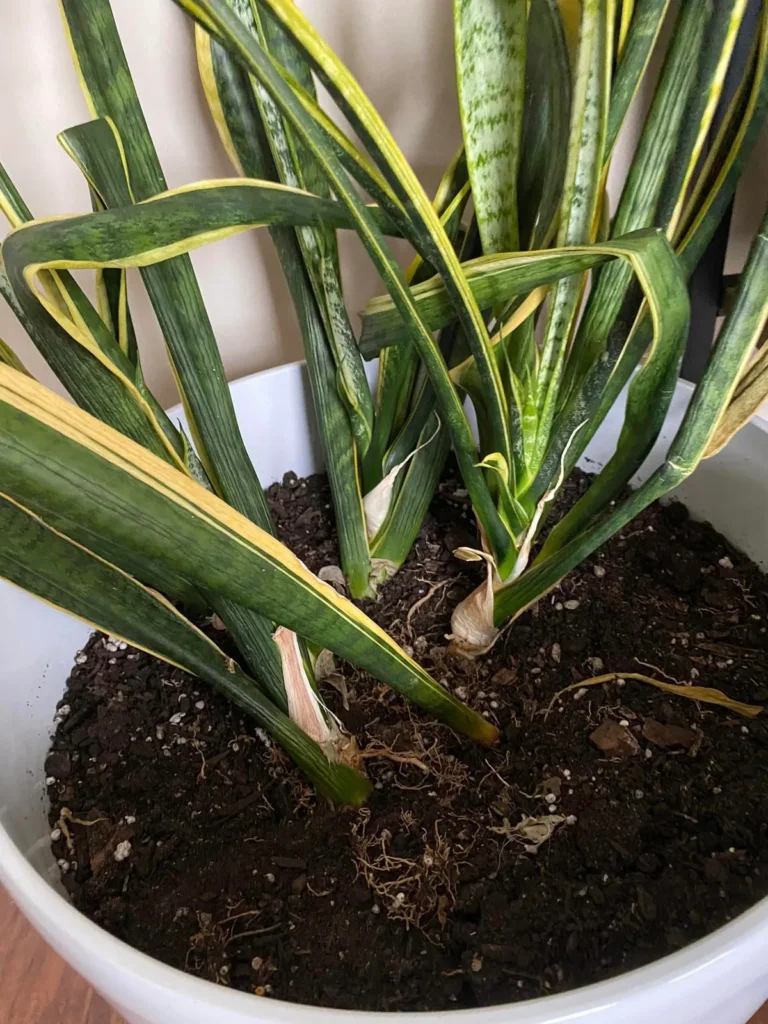
Image source: Bing (Web (fair-use with source credit))
The Three Variables That Change the Math: Ground vs. Pot, Wet Cold, Microclimate
A snake plant’s survival depends on three factors that the zone number ignores. Change any one, and the answer flips.
Ground vs. pot. In the ground, soil insulates the roots. A container, especially plastic, exposes roots to ambient air. Our research shows that a potted snake plant usually needs two zones warmer than an in-ground one to survive winter.
Containers also get colder faster because the pot sides are exposed on all sides. A decorative ceramic pot might crack in a freeze, but even a plastic nursery pot offers little insulation. If you’re in zone 8 and growing in a pot, treat your plant like it belongs in zone 10.
Wet cold vs. dry cold. Most cold damage happens because the soil is wet when the freeze hits. Wet soil conducts cold faster and stays frozen longer. A wet root ball freezes from the inside out because water expands when frozen, damaging cell walls.
For that reason, many zone 9 plants survive dry cold but fail in wet cold. If your winter is wet (Pacific Northwest, UK, coastal areas), add one zone of caution. Using a fast-draining soil mix helps reduce winter rot.
Microclimate. A south-facing wall radiates heat. Concrete or asphalt stores warmth. A spot under a pine tree or near a foundation can be two zones warmer than your official rating.
But an exposed bed at the bottom of a slope might be colder. Proximity to water moderates air temps but keeps humidity high, which can also cause rot. Map your garden’s warm spots before planting.
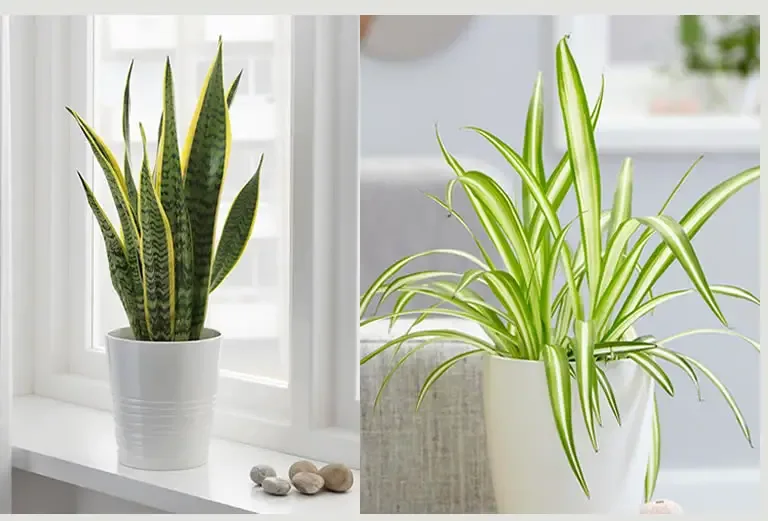
Image source: Bing (Web (fair-use with source credit))
The Decision Tree: Your Zone, Your Strategy
Use your actual USDA zone plus the three variables to choose your path. The official USDA Plant Hardiness Zone Map is the standard reference. The 2023 map shifted many areas up half a zone due to updated climate data.
If you’re using an older print, you might be in a warmer zone than you think. Recheck your zone online. The table below covers the most common situations.
| If you live in… | In-ground strategy | Container strategy |
|---|---|---|
| Zone 11 to 10a | Plant anywhere, no frost protection needed | Same, but water less in winter |
| Zone 9b | Sheltered spot, mulch crown in fall | Can stay outside, move near house |
| Zone 9a | Risk of leaf burn; protect with wall or cover | Move to garage or indoors below 30°F |
| Zone 8b to 8a | Not reliable in ground; only containers | Bring inside before first frost |
| Zone 7 and colder | Outdoor only in summer containers | Overwinter indoors |
In 9b and 9a, a good microclimate changes the odds drastically. South-facing walls, raised beds, and gravel mulch help. In zone 8b, you can risk in-ground planting if you have a raised bed against a brick wall and mulch heavily.
But I generally advise against it. Most gardeners are better off keeping them in containers. For a basic refresher on potted plant care, our snake plant care for beginners guide covers the fundamentals.
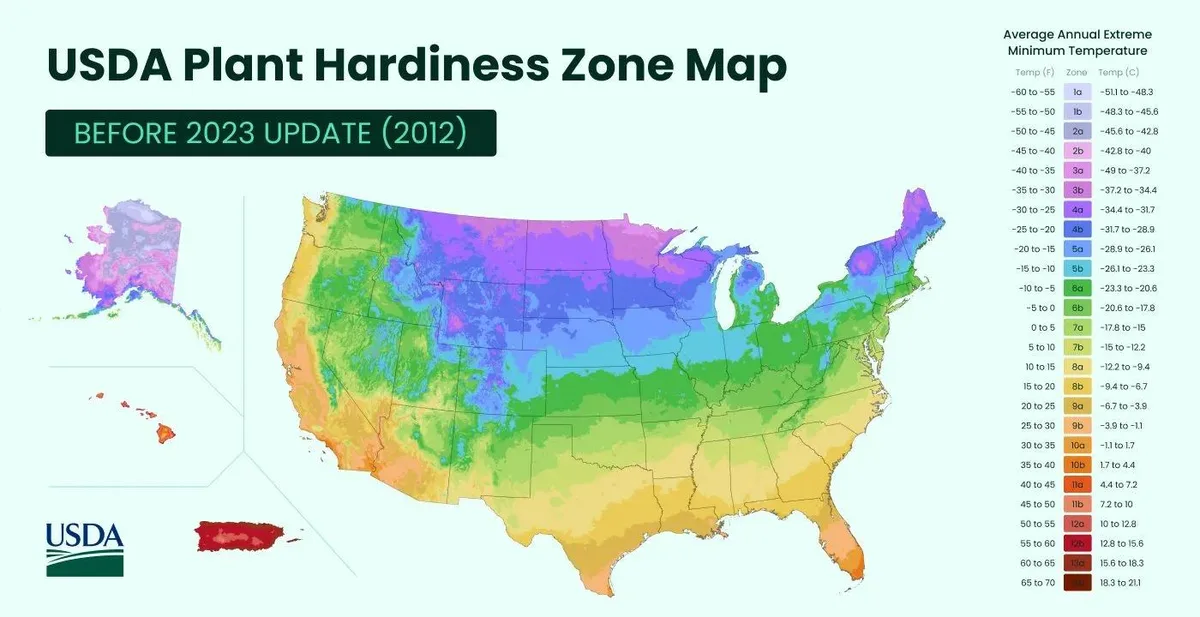
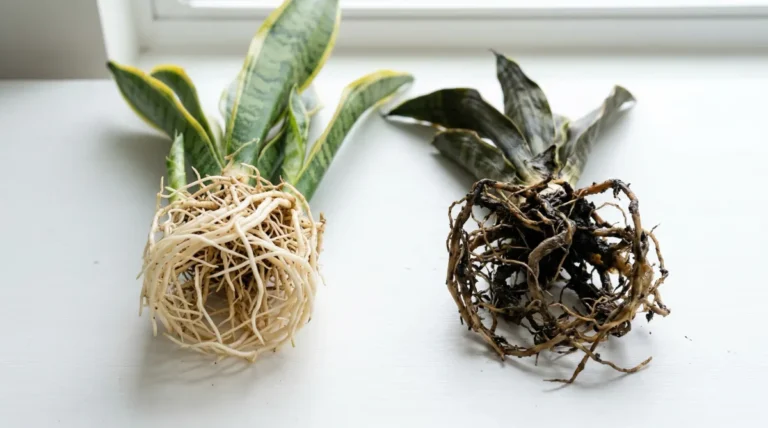
Image source: Bing (Web (fair-use with source credit))
The Seasonal Workflow: From Fall Prep to Spring Recovery
Getting a snake plant through winter outside requires a rhythm. Here’s the schedule.
Late summer (August). Stop fertilizing. Nitrogen-heavy fertilizer spurs foliage growth. That new green growth is soft and full of water.
When frost hits, those cells burst first. Pushing new growth late in the season produces tender leaves that frost kills.
Early fall (September to October). Taper watering. Snake plants are CAM plants. They slow down that process in winter.
Wet soil plus cold root zone plus no uptake equals bacterial rot. Let the soil dry out more between drinks. A dry root ball handles cold better than a wet one.
Follow a reduced watering schedule during this period.
Late fall (before first freeze). Move containers to shelter, garage, shed, porch, or indoors. For in-ground plants, add 3 to 4 inches of dry mulch around the crown. Keep it off the leaves.
Winter. Watch the forecast. If temps dip below 30°F and the plant is uncovered, cover it with frost cloth or a blanket. Frost cloth works by trapping ground heat.
It insulates 2 to 5 degrees. Remove during the day to prevent condensation.
Early spring (March to April). Wait two weeks after the last freeze before cutting off dead leaves. The rhizome might still be alive. Don’t cut back all the leaves even if they look dead.
The green parts can still photosynthesize and feed the roots. If new shoots emerge, cut the dead foliage back to the base. Resume watering gradually.
Our step-by-step trimming guide shows how to do it without hurting new growth.
The Mistakes I See Gardeners Make Every Winter
Even experienced growers slip up. Here’s what goes wrong most often.
-
Watering through winter. Snake plants go dormant when cold. If you keep watering like it’s summer, the roots rot before the cold even kills them. Overwatering ranks as the top cause of winter snake plant death, not cold. If soil temperature drops below 55°F, roots stop drinking. The water just sits there. Stop watering from November through February if the plant is in cold storage.
-
The “it made it last year” trap. A warm winter tricks you. One hard freeze in a season of mild winters can kill a plant that survived the previous three. In zones 9a and 8b, the interval between hard freezes can be years. That gives you false confidence. Prepare every fall based on your zone, not last year’s luck.
-
Cutting back too soon. As soon as a leaf gets mushy, people snip it off. But damage continues underground. If you cut a leaf that still has some structural integrity, you might remove living tissue that could help the plant recover. Wait two weeks after a freeze to assess. Cut above the soil line only when you see new growth.
-
Believing a blanket label. The “hardy to zone 9” label doesn’t know your soil type, exposure, or container. The tag is a sales aid, not a horticultural guarantee. Trust experience over the tag.
-
Ignoring wind. Cold wind strips heat from leaves and speeds freeze damage. A sheltered spot is sometimes more important than the temperature. If you want a balanced view of the challenges, our article on snake plant disadvantages covers other common issues.
Real Scenarios: Zone 10, Zone 8, and Zone 6
Zone 10b — Coastal Florida or Southern California
Growers here rarely see frost. A snake plant planted in a sunny, well-drained spot takes off. One gardener in Fort Lauderdale reported clumps spreading 4 feet wide in three years with no winter protection.
No leaf damage, no root rot. The plant behaves like a true perennial here. The only caution is wet winter soil.
Rainy season overwatering kills more plants than cold does.
Zone 8b — Central Texas or Coastal Georgia
A different story. A reader in San Antonio (zone 8b) planted a snake plant against a south-facing limestone wall. The wall radiated heat.
The plant survived three mild winters. Then a 22°F freeze hit in 2021 and lasted 18 hours. The leaves turned translucent.
But the rhizome lived. By late spring, new shoots emerged. The sheltered microclimate made the difference.
Zone 6 — Boston or Chicago
Snake plants don’t stay outside past October. A gardener in Chicago moves her potted plant into a heated basement every fall. It sits by a bright window from November to April.
She waters once a month. The plant goes back outdoors after the last frost. It’s a manageable routine.
But in-ground planting is not possible here.
| Scenario | Winter care | Outcome |
|---|---|---|
| Zone 10b in-ground | None | Thrives year-round |
| Zone 8b against wall | Mulch, frost cloth | Survives with recovery time |
| Zone 6 potted | Move indoors | Reliable with effort |
Frequently Asked Questions
Can snake plants survive frost?
Leaves get damaged at 30°F. If the frost is brief and the soil is dry, the rhizome may live and regrow. Prolonged frost below 25°F usually kills the whole plant.
Frost cloth adds a few degrees of protection but does not guarantee survival in hard freezes.
How do I know if my snake plant survived winter?
Wait two weeks after the freeze. Gently pull a leaf. If it resists, the root system is alive.
Check the rhizome for firmness. Mushy, brown tissue means rot. Healthy rhizome tissue is pale and firm.
New growth appears within 4 to 8 weeks in warm weather.
What’s the coldest temperature a snake plant handles?
Our research and verified grower reports across the Gulf Coast show that leaves curl and burn at about 30°F (−1°C). The root system can survive short dips into the mid-20s if the soil is dry. The USDA map’s zone 9 average minimum of 20 to 25°F is misleading if the cold lasts more than a few hours.
Should I cover my snake plant if a freeze is coming?
Yes. Use frost cloth or an old bedsheet. Drape it loosely so it touches the ground.
Secure it to trap heat. Remove it during the day to prevent condensation. Do not use plastic directly on leaves.
It traps moisture and makes freezing worse inside.
Can I plant snake plants in zone 8 if I mulch heavily?
In our research of aggregate garden forum reports, zone 8b with a south-facing wall, gravel mulch, and dry fall conditions gives about a 50% survival rate in a normal winter. Zone 8a is not worth the risk. A container you can move is the safer choice.
How long does a snake plant need to acclimate to cold?
Acclimation takes time. If the plant has been outdoors since spring in a warm climate expecting growth conditions, it should be hardened off naturally. A plant moved directly from indoors to outside in late autumn has almost no cold tolerance, it will also need time to adjust gradually.