How to Repot Snake Plants Without Killing Them
Your snake plant is tough, but even the toughest houseplant outgrows its home eventually. Maybe you’re seeing roots poking out of the drainage holes, or the pot has cracked under the pressure. If that sounds familiar, learning how to repot snake plant is the single best thing you can do for its long-term health.
Here’s the thing: snake plants actually hate being repotted too often. But when they need it, they really need it. A healthy snake plant can live 20 years or more with proper care, and repotting every 2 to 5 years (depending on growth rate) keeps it from suffocating in compacted soil.
University extension research confirms that rootbound snake plants decline faster than those given room to spread. So let’s figure out whether yours needs a move right now.
Quick Answer
Remove the snake plant from its pot. Gently loosen the rootball. Trim dead or mushy roots.
Choose a pot 1-2 inches wider. Use a well-draining cactus mix. Set the plant at the same depth as before.
Wait 3-7 days before watering. Place in bright indirect light.
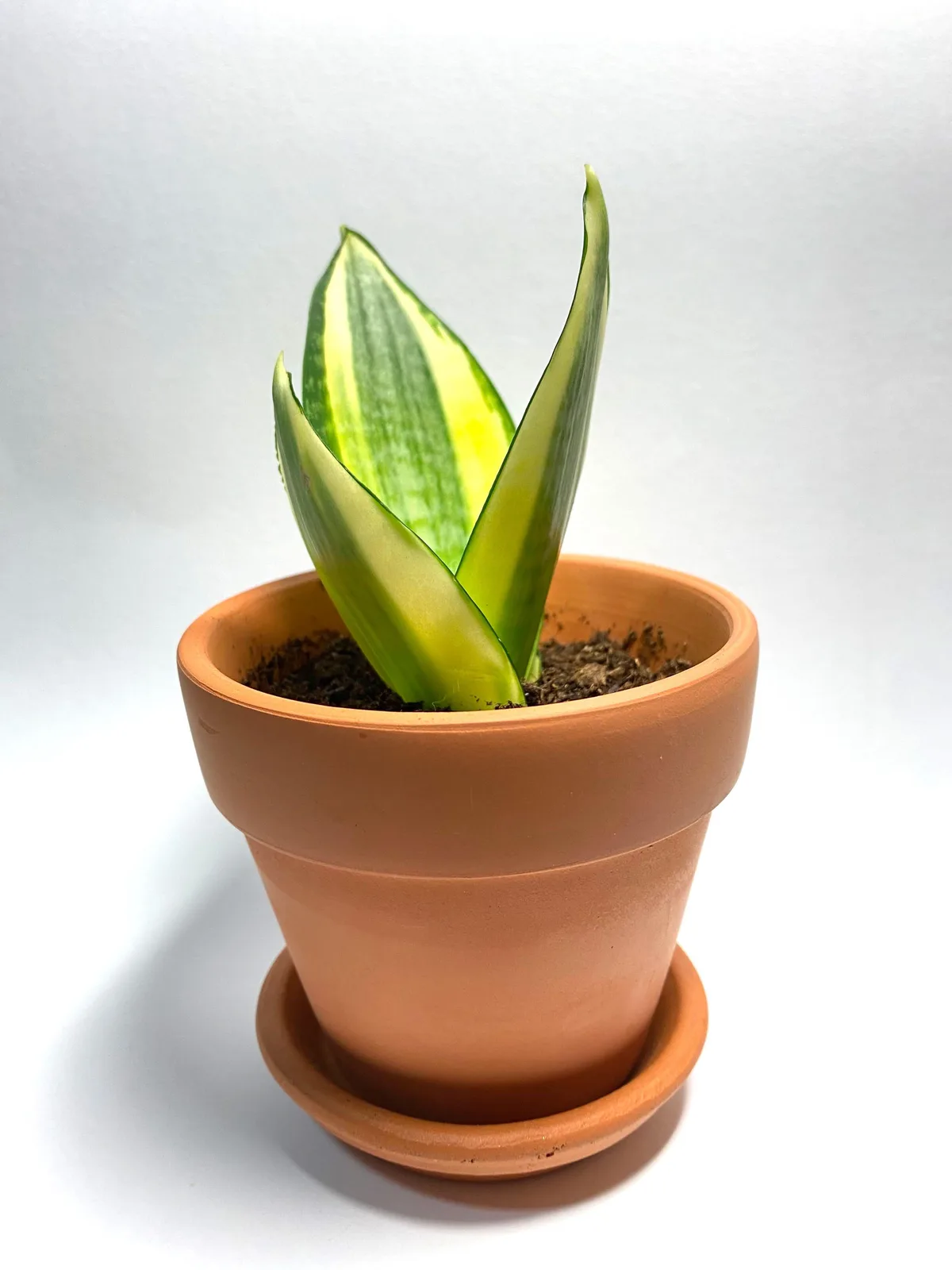
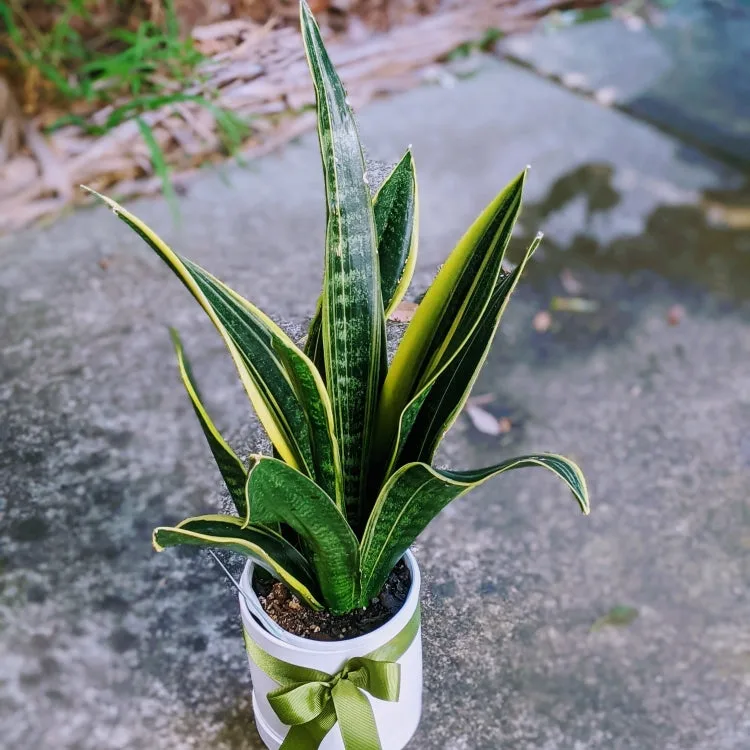
Image source: Web (Bing) / carousell.sg (Web image (fair-use with source credit))
Is Your Snake Plant Begging for a Move?
Not every snake plant needs repotting right now. In fact, repotting too early or too often stresses the plant more than leaving it alone. So how do you know it’s time?
Look for these signs first.
Roots escaping the pot. If you see roots creeping out of the drainage holes or circling the bottom of the pot, that’s a clear signal. The rootball has filled every available inch.
Water runs straight through. When the soil is so compacted that water flows out the bottom instantly without soaking in, the rootball has pushed out most of the soil. The plant is basically living in a cage of roots.
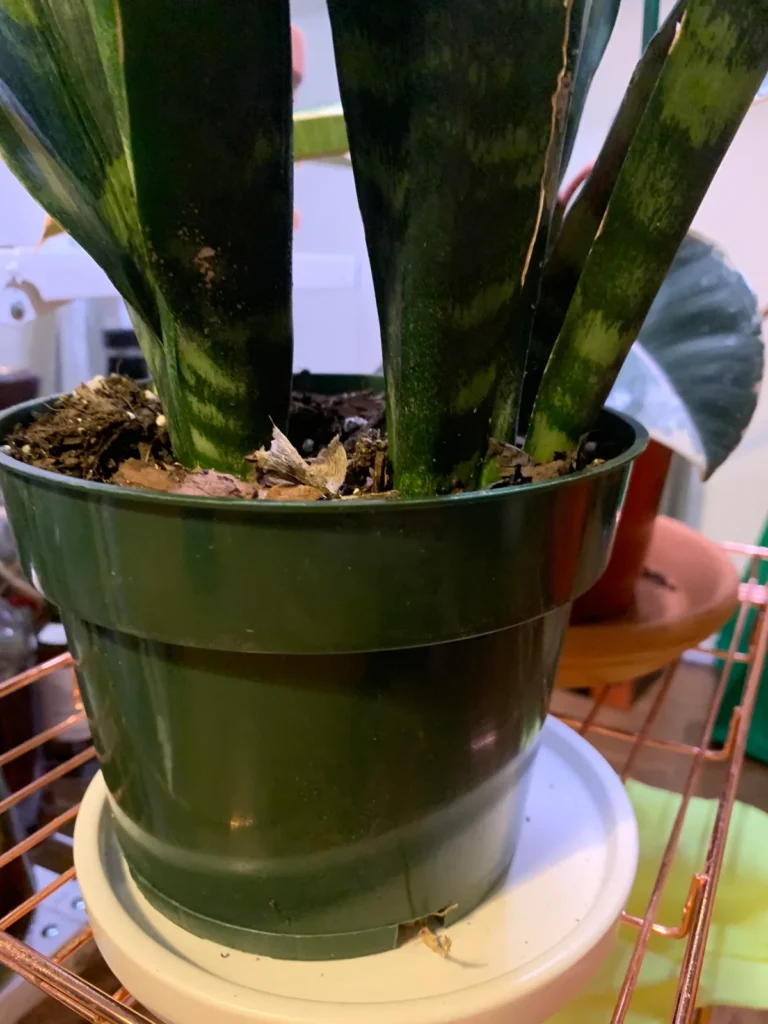
The pot is cracking or bulging. Snake plant rhizomes are thick and fleshy. As they multiply, they can literally crack a plastic pot or push a ceramic one out of shape. This is nature’s way of saying “I need more space.”
Growth has slowed dramatically. If your snake plant was pumping out new leaves every few months and suddenly stopped for a year, it might be rootbound. But also check for other issues, low light or winter dormancy, before blaming the pot.
The soil smells sour or musty. This is a red flag for root rot. Even if you don’t see mush yet, repotting gives you a chance to inspect the roots and remove any rot before it spreads.
If you see two or more of these signs, it’s time to repot. If you only see one, especially slow growth, consider waiting until spring when the plant is actively growing.
Before You Touch a Single Rhizome
Repotting a snake plant isn’t complicated, but you need the right materials and a little prep. Here’s what to gather.
Pot selection. Choose a pot that’s only 1-2 inches wider in diameter than the current one. Going too big is the #1 mistake, oversized pots hold too much moisture, and snake plants hate wet feet. Terracotta pots are ideal because they wick away extra moisture.
Plastic pots work too, just make sure they have drainage holes. No exceptions.
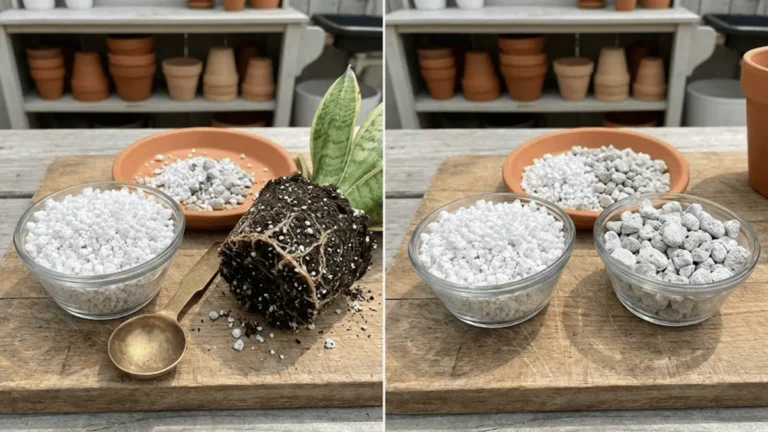
Soil mix. Snake plants need fast-draining soil. A commercial cactus or succulent mix works perfectly. Or make your own: mix 2 parts potting soil, 1 part perlite, and 1 part coarse sand.
University of Florida IFAS Extension recommends a soil pH between 5.5 and 7.0 for Sansevieria. Avoid heavy garden soil or mixes with moisture-retaining crystals.
Tools. Sharp, clean pruning shears or scissors (sterilize with rubbing alcohol). A butter knife or chopstick to help loosen the rootball. Gloves if you’re sensitive to the sap, snake plant sap can cause mild skin irritation for some people.
Optional but helpful. A tray or newspaper to catch mess. A spray bottle with water to mist roots if they look dry. Rooting hormone powder (not essential, but can help damaged roots recover).
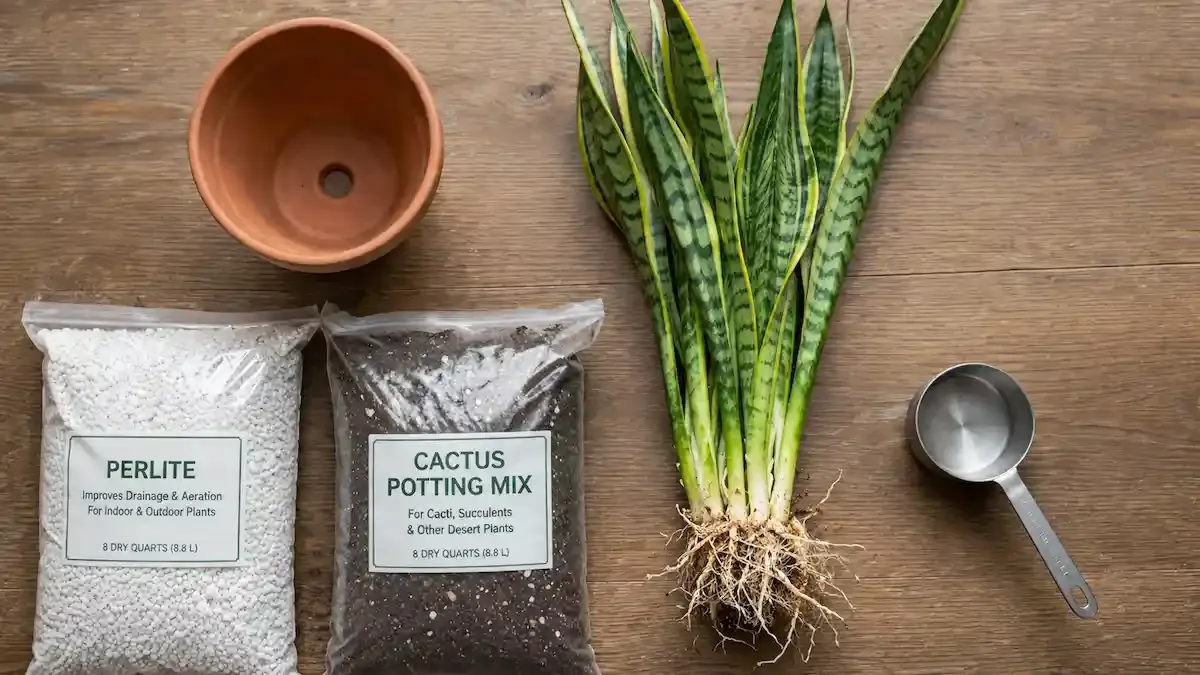
Image source: Web (Bing) / agrifarming.in (Web image (fair-use with source credit))
Timing matters. Spring and early summer are the best times to repot. The plant is in active growth mode and will recover faster. If you repot in winter, expect a longer, more stressful transition.
Only repot in winter if the plant is genuinely rootbound or shows signs of rot.
Your Decision Tree: Repot, Divide, or Leave It?
Now you need to decide what to actually do. The choice depends on what you see when you lift the plant out of its pot. Follow these branches.
Branch A: The rootball is packed but healthy. If the roots fill the pot but are firm, light-colored, and smell earthy (not sour), you can simply repot into a slightly larger container. Trim away any dead root tips. Fill the new pot with fresh soil and settle the plant at the same depth.
This is the standard repot.
Branch B: The rootball is circling and dense, but you want more plants. Snake plants produce offsets, pups, that grow from rhizomes. If you see separate clumps of leaves with their own roots, you can divide them. Gently tease the clumps apart.
Each division should have at least 2-3 leaves and a chunk of healthy root. Pot each division into its own container. You’ll get free new plants.
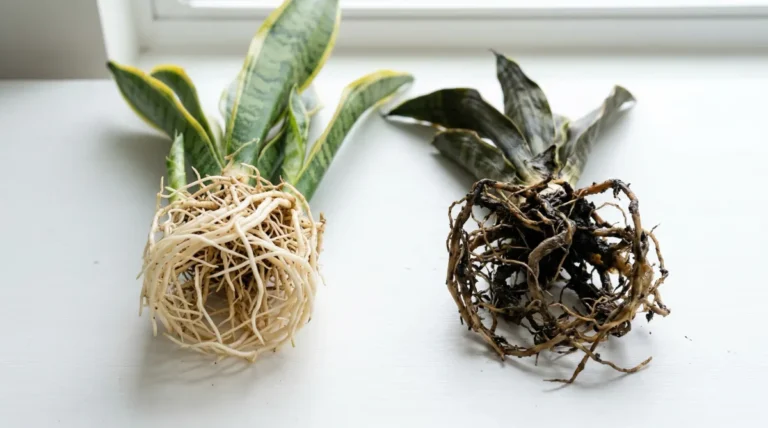
Branch C: The rootball is mushy, brown, or smells bad. This is root rot. You need to act fast. Cut away every rotten root with sterilized shears, healthy roots are firm and pale.
Rinse the remaining roots gently. Let the plant sit out for 24 hours to dry. Then repot into fresh, dry soil.
Do not water for 7-10 days. This gives the roots time to callus and prevents further rot.
Branch D: The plant is huge and heavy, but not rootbound. If you can’t get it out of the pot without breaking the pot, don’t force it. Top-dressing might be enough: scrape away the top 2 inches of old soil and replace with fresh. No need to repot if roots aren’t cramped.
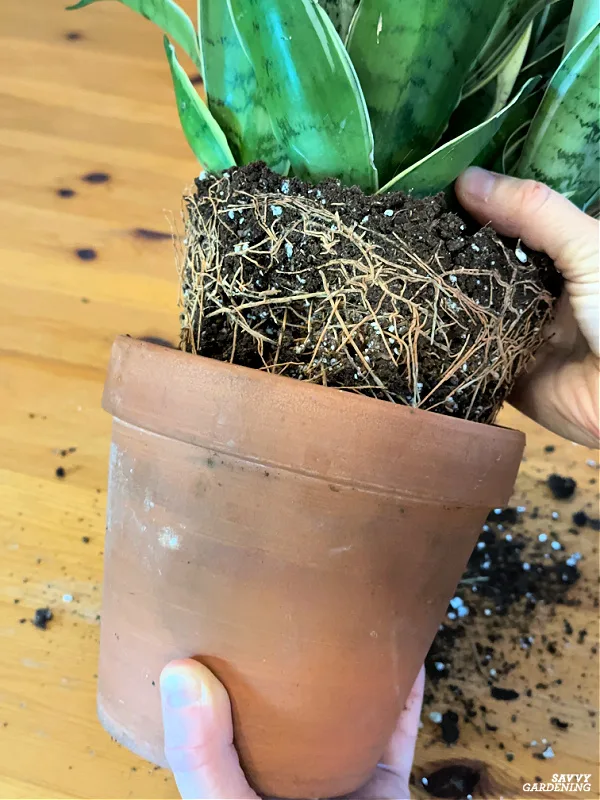
Image source: Web (Bing) / savvygardening.com (Web image (fair-use with source credit))
Branch E: The pot is too big for the plant. Yes, this happens. If your snake plant is tiny in a huge pot, the soil stays wet too long. Downsize to a pot that’s only 1-2 inches wider than the rootball.
Snake plants prefer snug homes.
The Step-by-Step: How to Repot (With Branches)
This workflow covers all the common scenarios. Follow the branch that matches your plant’s condition from the decision tree above.
Step 1: Remove the plant. Tilt the pot and gently slide the plant out. If it’s stuck, run a butter knife around the inside edge. Tap the bottom of the pot.
Never yank the leaves, you’ll snap them.
Step 2: Inspect the rootball. Look for the signs we covered: healthy roots (firm, light), circling roots, mushy spots, or offsets. This is your branch point.
Branch A (standard repot): Gently massage the rootball to loosen it. Tease apart any circling roots with your fingers. Snip off any dead tips or broken roots.
Proceed to Step 3.
Branch B (division): Identify natural clumps. Gently pull them apart, they should separate easily at the rhizomes. Use sterilized shears to cut stubborn connections.
Each clump gets its own pot. Proceed to Step 3 for each division.
Branch C (root rot): Cut away all mushy, brown, or black roots. Rinse healthy roots under tepid water. Let the plant sit on a dry towel for 24 hours.
Then proceed to Step 3 with dry soil. Skip watering for at least a week.
Step 3: Prepare the new pot. Add a layer of fresh soil at the bottom. Position the plant so the top of the rootball sits about 1 inch below the pot rim (same depth as before). Fill around the roots with soil, tapping the pot gently to settle.
Do not compress the soil hard, you want air pockets.
Step 4: Fill and firm. Add soil until it reaches the base of the lowest leaves. The crown (where leaves meet roots) should be above the soil line. Press the soil lightly with your fingers, just enough to keep the plant upright.
Step 5: Wait to water. This is critical. Snake plants hate being watered immediately after repotting. The roots need time to settle and any cuts to callus over.
Wait 3-7 days before giving the first drink. For root rot cases, wait 7-10 days.
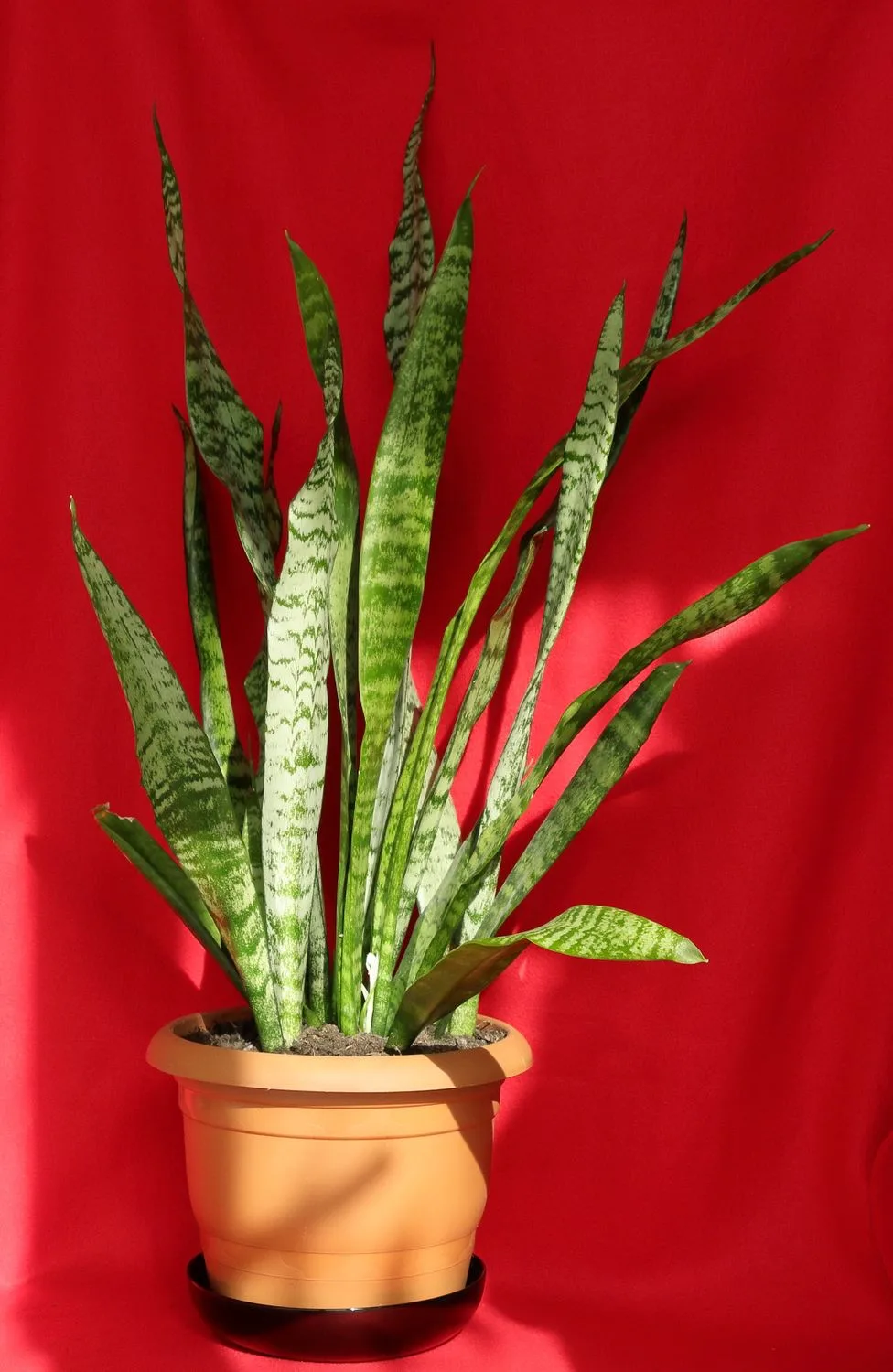
Image source: Web (Bing) / pexels.com (Web image (fair-use with source credit))
Step 6: Place in bright indirect light. Direct sun can burn a stressed plant. A spot near an east- or north-facing window is perfect. Avoid drafty windows or chilly corners.
The Waiting Game: What to Do After Repotting
The first two weeks after repotting are the most vulnerable period for a snake plant. Here’s how to manage the recovery.
Do not water on a schedule. For the first 3-7 days (longer after root rot), the plant has no fresh water needs. After that, water only when the top 2 inches of soil are bone dry. Stick your finger in, if it’s dry, water slowly until it drains from the bottom.
Then wait again.
Watch for transplant shock. Some yellowing at the base of older leaves is normal. But if whole leaves turn yellow and mushy, you’re overwatering or the pot is too big. Pull back on water and check the soil moisture.
Keep it stable. Don’t move the plant around or repot again for at least 6 months. Let it establish new roots in the fresh soil. Moving it to different light conditions during recovery adds stress.
Hold off on fertilizer. Snake plants are light feeders anyway. After repotting, the fresh soil has enough nutrients for at least 3-4 months. Fertilizing too soon can burn the tender new roots.
Increase airflow slightly. If your home is humid, a gentle fan on low for a few hours a day helps the soil dry evenly and prevents fungal growth. Just don’t blow directly on the leaves.
Expect a growth pause. Your snake plant might not push new leaves for a month or two after repotting. That’s fine, it’s putting energy into root growth underground. When you see new growth above soil, you’re in the clear.
5 Mistakes That Kill Snake Plants After Repotting
Even careful plant parents make these errors. Avoid them and your snake plant bounces back faster.
Mistake 1: Going too big on the pot. A huge pot holds too much wet soil. The roots can’t drink it all. This leads to rot.
Stick to 1-2 inches wider only.
Mistake 2: Watering right after repotting. Fresh soil is already moist enough. Roots need air to heal cuts. Watering immediately drowns them.
Follow the 3-7 day wait rule we covered earlier.
Mistake 3: Burying the crown. The crown is where leaves meet roots. If you cover it with soil, it rots. Keep that base above the soil line.
Always.
Mistake 4: Using heavy soil. Garden soil or dense potting mix holds water like a sponge. Snake plants evolved in arid Africa. Use cactus mix or a DIY blend with perlite and coarse sand.
Mistake 5: Repotting in winter dormancy. The plant isn’t growing. Energy is low. Recovery takes months.
If you must do it (for root rot), expect slow progress. Otherwise, wait for spring.
Expert Tips for a Smooth Recovery
These tricks come from experienced growers and university extension advice.
Tip 1: Let the rootball air dry before repotting. After you remove the plant, leave it on a newspaper for 30-60 minutes. This helps small root wounds callus over. The risk of rot drops significantly.
Tip 2: Use a pot with drainage holes only. No exceptions. If you love that cachepot without holes, keep the snake plant in a nursery pot inside it. Dump any standing water after 30 minutes.
Tip 3: Add a thin layer of gravel or clay balls at the bottom. This isn’t mandatory for drainage (modern potting mix handles that), but it prevents soil from washing out of the holes. Use about 1/2 inch.
Tip 4: Don’t fertilize for three months. Fresh soil has enough nutrients. Fertilizing too early burns new root growth. Resume with a balanced houseplant fertilizer at half strength in spring.
Tip 5: Rotate the pot weekly after repotting. New roots grow toward light. Rotating encourages even root spread and prevents lopsided growth above ground.
Frequently Asked Questions
How long does a snake plant take to recover after repotting?
Most snake plants show new growth within 4-8 weeks. If you repotted in spring and gave the right care, expect visible leaves in about 6 weeks. Slower recovery means check light and water.
Can I repot a snake plant in winter?
Yes, but it’s not ideal. The plant is dormant. Recovery will be slower and stress higher.
Only repot in winter if you see root rot or severe rootbinding that can’t wait.
Should I remove yellow leaves after repotting?
Only if they’re fully yellow and soft. Green leaves still photosynthesize and help recovery. Wait until they’re completely dead before trimming.
Pull them gently from the base.
How do I know if my snake plant has root rot after repotting?
Pull it out of the pot. Healthy roots are firm and pale. Rotten roots are brown, mushy, and smell bad.
Trim all rot, let the plant dry for 24 hours, then repot in fresh dry soil.
Can I use regular potting soil for a snake plant?
It’s risky. Regular potting soil holds too much moisture. Use a cactus or succulent mix, or blend your own with 2 parts potting soil, 1 part perlite, and 1 part coarse sand.
How often should I repot a snake plant?
Every 2-5 years depending on growth. Signs like roots coming out of drainage holes or cracked pots tell you it’s time. If the plant is healthy and the pot is fine, leave it alone.