Neem Oil for Snake Plant: Complete Guide with Usage Note
If you’ve ever reached for neem oil and hesitated before spraying your snake plant, you’re not alone. This neem oil for snake plant guide gives you the straight facts so you get the benefits without the damage. Snake plants are succulents with tough, waxy leaves that hold onto moisture, and oil, differently than your typical monstera or pothos.
Manufacturer specs recommend cold-pressed neem oil with 0.9% to 2% azadirachtin. That compound disrupts insect life cycles and fights fungal spores. But the same oil that saves your plant can also suffocate it if applied wrong.
Let’s look at why snake plants need a lighter touch.
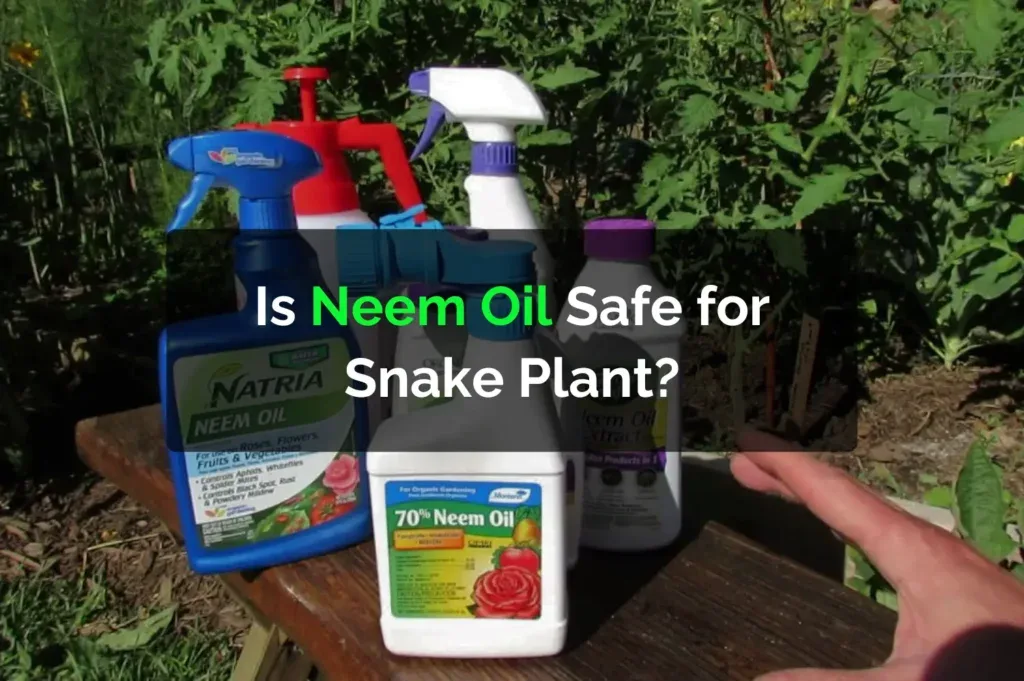
Image source: Bing (Web (fair-use with source credit))
Quick Answer
Yes, neem oil is safe for snake plants when used correctly. Mix one teaspoon of neem oil with half a teaspoon of mild soap per quart of water. Apply to leaves and soil in the evening.
Avoid the crown where water pools. Repeat weekly for active infestations.
Why Snake Plants React Differently to Neem Oil
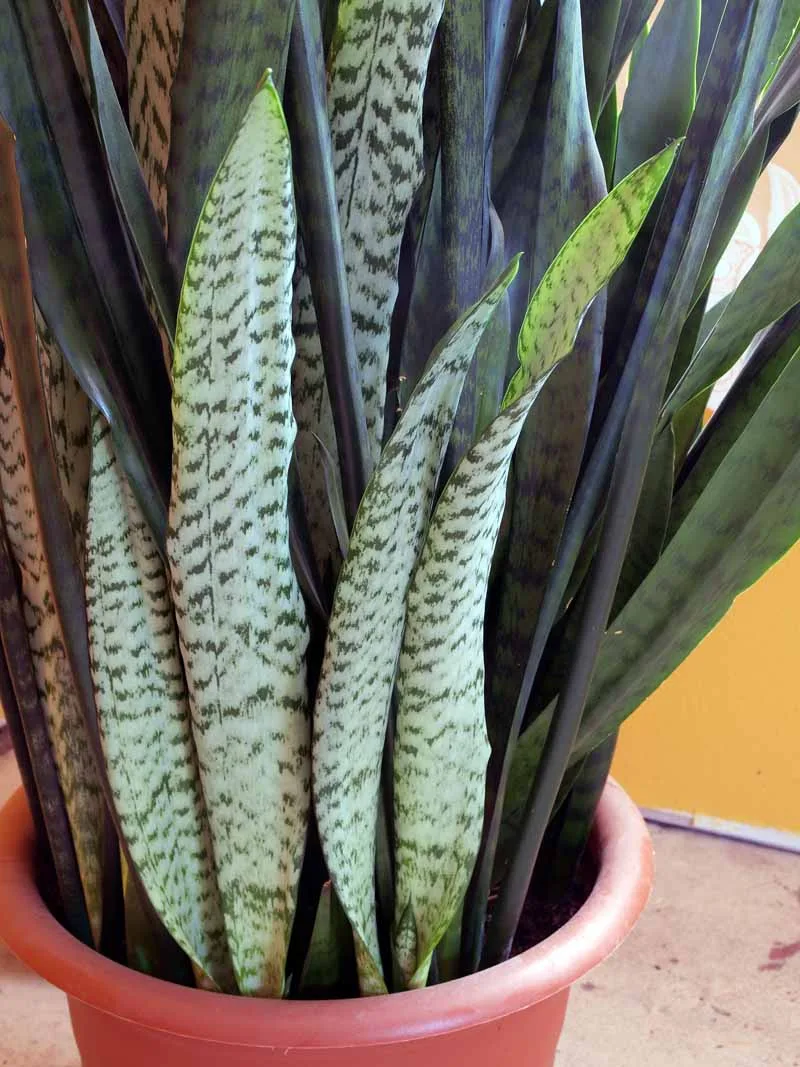
Image source: Bing (Web (fair-use with source credit))
Snake plants are built for drought, not for wet leaves. Their leaves have a thick waxy cuticle that locks moisture in. That same coating also makes neem oil sit on the surface instead of soaking in.
If you apply too much, the oil pools at the leaf base and creeps into the crown. That traps moisture and invites rot.
These are CAM plants, meaning they open their leaf pores (stomata) at night to take in carbon dioxide. During the day the stomata stay closed to conserve water. If you spray neem oil in the morning or midday, the oil hits closed pores and just sits there.
Apply in the evening and the stomata are open, letting the oil penetrate properly. Timing matters more than with most houseplants.
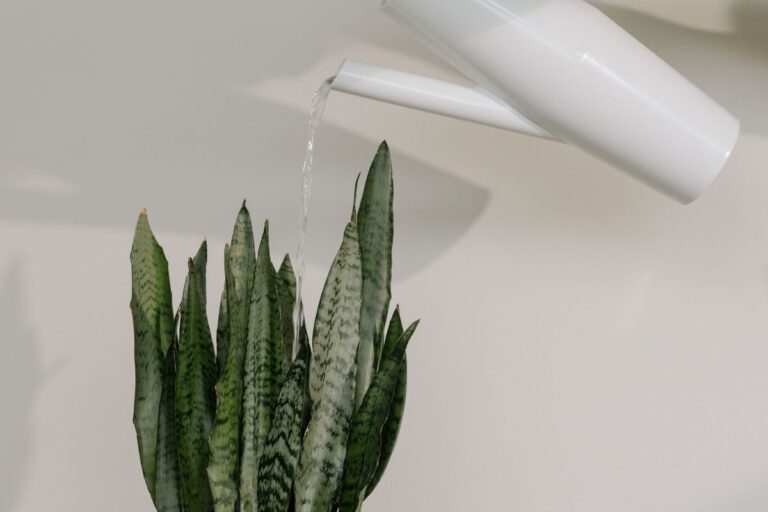
The upright spear shape of snake plant leaves creates another problem. Water can’t roll off easily. Instead it funnels down into the soil line, carrying oil and soap residue with it.
Over time that buildup can block root airflow. That’s why wiping leaves lightly after spraying is a smart habit.
If your plant is already showing signs of trouble like yellowing leaves or drooping, adding neem oil can worsen the stress. Treat the root cause first before reaching for the spray bottle.
The Decision Tree: Use Neem Oil or Skip It?
Not every situation calls for neem oil. Here’s a simple breakdown to decide.
Use neem oil when:
- You spot active pests: spider mites, mealybugs, thrips, or fungus gnats.
- You’re treating a new plant in quarantine.
- You want monthly prevention during spring and summer growth season.
Skip neem oil when:
- The plant is already stressed from too much or too little water.
- It has powdery mildew, oil can spread the spores.
- Temperatures are above 90°F or below 60°F.
- You applied a different pesticide or soap within the last week.
If your plant is giving you signs of overwatering, fix that first. Adjusting your watering routine solves more problems than any spray can. A stressed plant is more likely to burn or rot from oil treatment.
When you do decide to use neem oil, match the frequency to the problem, once a month for prevention, once a week for three weeks during an active infestation.
Step-by-Step Application: Prevention vs Active Treatment
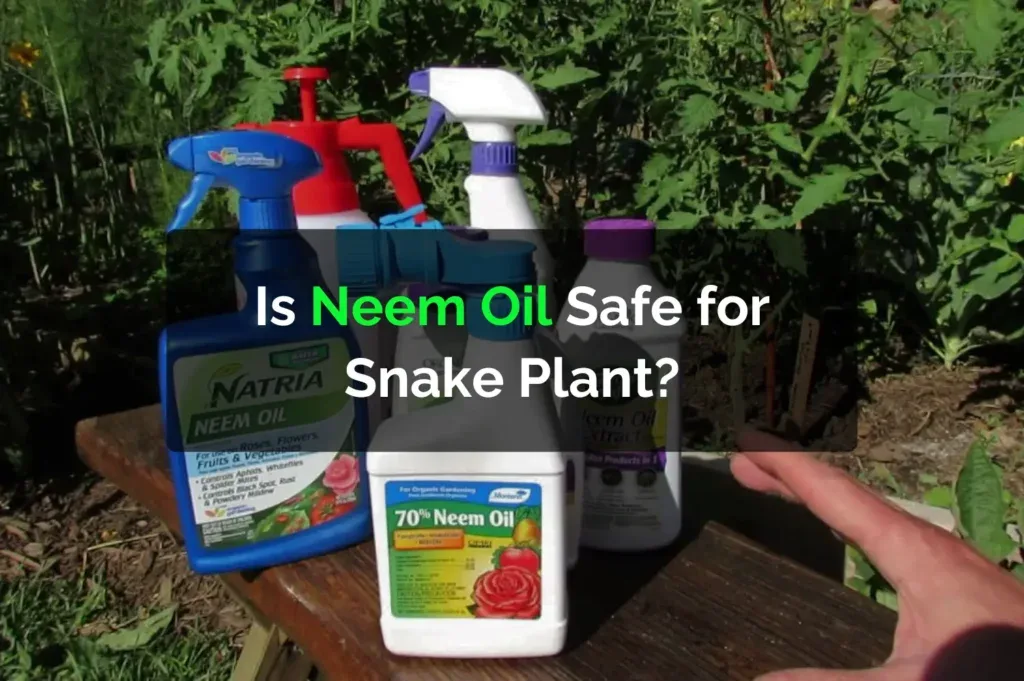
Image source: Bing (Web (fair-use with source credit))
How you apply neem oil changes based on what you’re dealing with.
For prevention (monthly):
- Mix a light 0.5% dilution, half a teaspoon of neem oil and a quarter teaspoon of soap per quart of water.
- Mist the leaves lightly, focusing on undersides.
- Wipe any visible drips from the crown.
- Apply in the evening and make sure the plant has no direct sun the next morning.
For active treatment (weekly for 2, 3 weeks):
- Use a standard 1% dilution, one teaspoon neem, half teaspoon soap per quart of water.
- Spray every leaf surface until it glistens.
- Pour the leftover mix into the soil. This works as a soil drench to reach root pests.
- Shake the bottle vigorously before each spray. The oil settles fast.
Before the first full treatment, test one leaf. Wait 24 hours. If you see spotting or browning, cut the concentration in half.
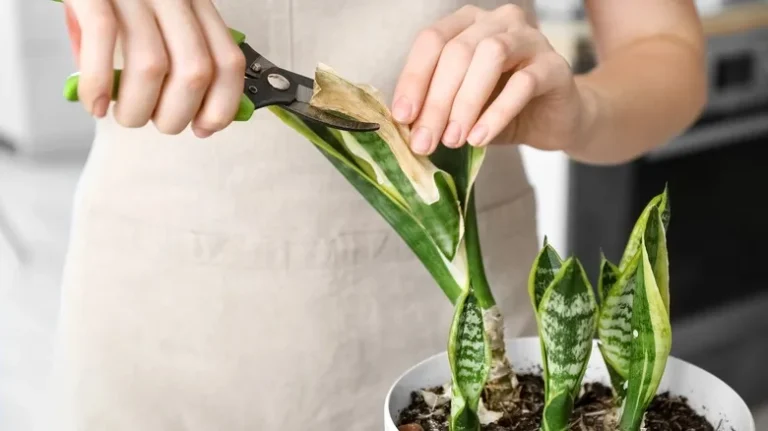
Remove any severely damaged leaves before spraying. Trimming them properly keeps the plant tidy and stops pests from hiding.
The Safe Mix: Dilution and Emulsifier for Snake Plants
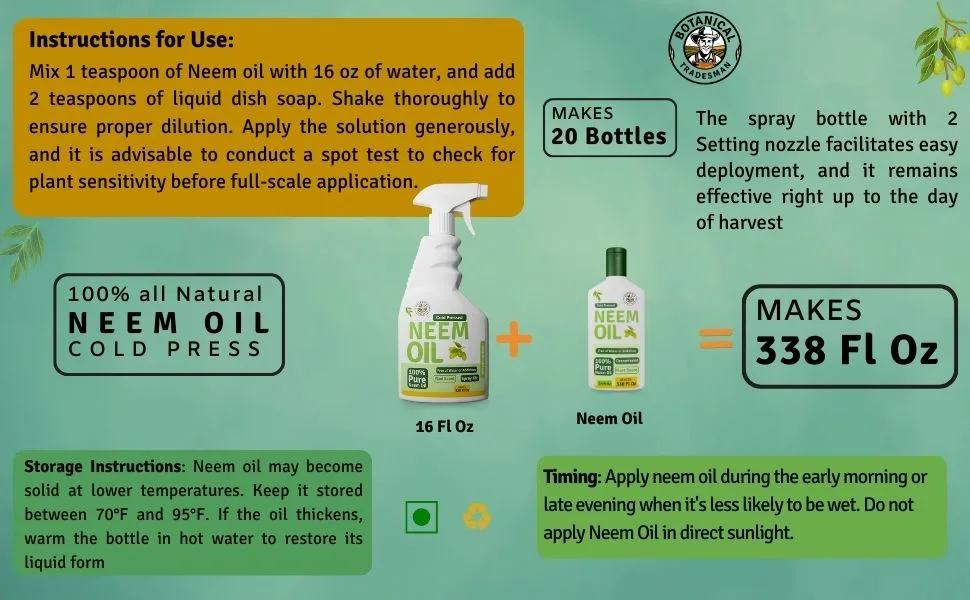
Image source: Bing (Web (fair-use with source credit))
Snake plants need a lighter oil concentration than leafy tropicals. Too much neem oil clogs the leaf pores and burns the tips.
Here’s a quick reference for different situations:
| Use case | Neem oil | Soap | Water |
|---|---|---|---|
| Monthly prevention | ½ tsp | ¼ tsp | 1 quart |
| Active pest treatment | 1 tsp | ½ tsp | 1 quart |
| Small or sensitive snake plants | ¼ tsp | ¼ tsp | 1 quart |
You must use an emulsifier, neem oil won’t mix with water on its own. Mild liquid Castile soap works best. A natural dish soap without degreasers also does the job.
Avoid detergent, bleach, or anything labeled antibacterial.
The active compound in neem oil is azadirachtin. According to the National Pesticide Information Center, it works by interfering with insect hormone systems, making it hard for pests to feed, molt, or lay eggs. It’s low in toxicity to humans but can irritate skin.
Wear gloves if you’re sensitive.
Store raw neem oil in a cool, dark cabinet. Mixed solution loses effectiveness after about eight hours, so make it fresh each time.
5 Mistakes That Turn Treatment Into Damage
These errors are common and easy to avoid once you know what to look for.
1. Spraying in direct sunlight. Neem oil acts like a mild magnifier. Sun plus oil equals leaf burn.
Always apply in the evening or when the plant is in full shade.
2. Soaking the crown. Water collects naturally in the center of snake plant leaves. Neem oil sits on top of that water and speeds up rot.
After spraying, tilt the plant and dab out any puddles in the crown.
3. Using too strong a mix. More neem doesn’t work faster. It smothers the leaf surface and blocks airflow.
Stick to the dilutions in the table above.
4. Skipping the patch test. One leaf tells you everything. If that leaf burns, you know to dilute more.
5. Treating a plant that’s already sick. Neem oil won’t fix overwatering, root rot, or pest damage that’s already taken hold. If your plant isn’t growing or the leaves look yellow, find the real cause before spraying.
As of 2026, the best approach is still prevention and careful observation. Neem oil is a tool, not a cure-all. Use it with a clear purpose and your snake plant will thank you.
Better Alternatives for Snake Plant Pests
Neem oil isn’t always the right tool. For some pests and situations, switching to a different treatment gives better results with less risk.
Insecticidal soap works well for spider mites and thrips. It dries faster and leaves almost no residue on snake plant leaves. The downside is that it has no systemic effect.
You have to spray every pest directly. Miss one bug and it keeps reproducing.
Rubbing alcohol (70% isopropyl) is the fastest option for mealybugs hiding in leaf crevices. Dip a cotton swab and dab each insect. The alcohol evaporates in seconds, so it won’t pool in the crown and cause rot.
It’s a spot treatment, not a full spray.
Diatomaceous earth works for fungus gnats and crawling pests in the soil. Sprinkle a thin layer on top of the potting mix. It’s safe for snake plants but becomes useless once wet, so reapply after watering.
Biological controls like beneficial nematodes or predatory mites offer a no-spray solution. They suit snake plant collections where you want to avoid any residue. The trade-off is they cost more and need specific storage before release.
For scale insects that have formed hard shells, horticultural oil at a lower winter rate can penetrate the armor. Test one leaf first. Snake plants are more sensitive to oil sprays than typical houseplants.
If you’ve already tried neem with no luck, consider whether the root issue is environmental. A plant that isn’t getting enough light or has poor drainage will keep attracting pests regardless of what you spray.
Frequently Asked Questions
Can neem oil kill spider mites on snake plants?
Yes, it works well when applied weekly for two to three weeks. Spray the undersides of leaves where mites hide and feed. Follow up with a soil drench to catch any that drop into the pot.
How often should I apply neem oil to my snake plant?
Once a month during the growing season for prevention. For active infestations, once a week for two to three weeks. Never exceed weekly application.
Too much suffocates the leaves.
Does neem oil cause leaf burn on snake plants?
It can if the dilution is too strong or the plant sits in direct sun after spraying. Stick to 1% or less. Apply in the evening and keep the plant shaded for at least 12 hours.
Can I use neem oil on a snake plant that has root rot?
No. Neem oil will not treat root rot and adding moisture to already soggy soil makes the problem worse. Remove rotted roots and repot in fresh dry mix first.
Is neem oil safe for snake plants during winter?
Use it sparingly or skip it entirely. Snake plants slow down in lower light and cooler temperatures. Less transpiration means oil residue stays on the leaves longer and can block pores.
Does neem oil harm cats or dogs if applied near them?
Neem oil is considered low in toxicity to pets once dry. During application, keep pets away until the plant dries completely. The ASPCA lists neem oil as non-toxic, but ingestion of wet oil can cause mild stomach upset.