Why Is My Snake Plant Drooping? 7 Causes & Fixes
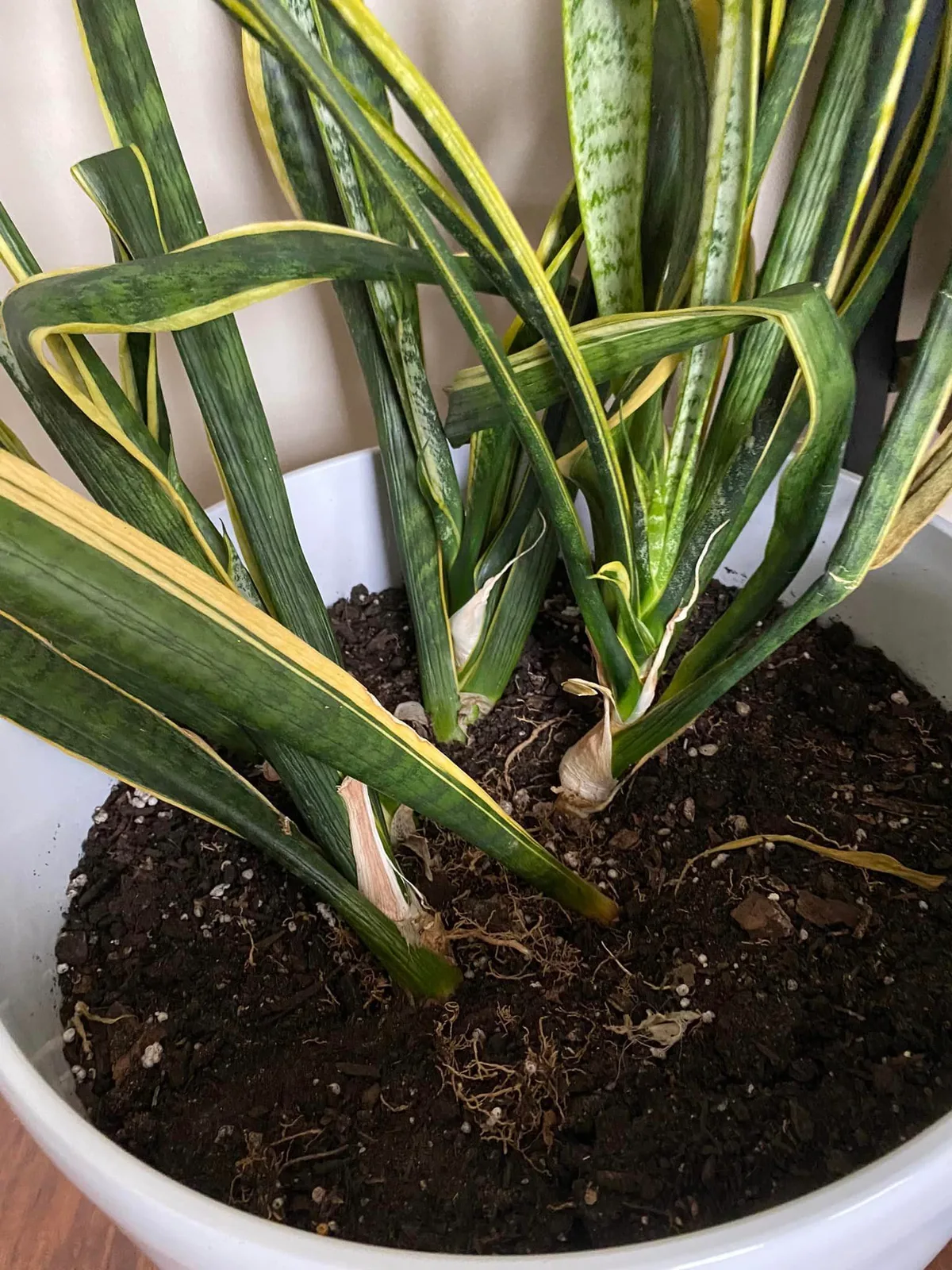
Image source: Web (Bing) / rootedingarden.com
If you’ve ever looked at your snake plant and thought, “Why is my snake plant drooping?”, you’re not alone. It’s one of the most common questions houseplant owners ask. The good news is, the fix is usually straightforward once you know what’s going on beneath the soil.
Snake plants (Sansevieria trifasciata) are famously tough. They can go weeks without water. But they’re also sensitive to overwatering, and that’s the number-one cause of droopy leaves.
According to Clemson University’s Home & Garden Information Center, root rot can set in within just a few days of soggy soil. So let’s figure out what’s happening with your plant, step by step.
Quick Answer
Your snake plant is drooping because the leaves have lost their internal pressure. The most common reason is overwatering, which leads to soft, mushy leaves and root rot. The second reason is underwatering, which causes wrinkled, thin leaves.
Check the soil moisture first. If it’s wet, you’ve probably watered too much. If it’s bone dry, your plant is thirsty.
Overwatered or Underwatered? How to Tell the Difference
Image source: Web (Bing) / houseplantsinfo.com
Snake plants can’t talk, but their leaves sure do. The difference between too much and too little water is easy to spot if you know what to feel for.
Overwatered leaves feel soft, mushy, and almost waterlogged. They may turn yellow at the base or develop brown, soggy spots. The soil will feel damp an inch or two down, even if you haven’t watered in a week.
The pot will feel noticeably heavier than normal.
Underwatered leaves look wrinkled or thin, like a deflated balloon. They curl inward slightly. The soil will be completely dry, and the pot will feel very light.
The leaves won’t be mushy, just limp.
So grab your plant. Gently press a droopy leaf between your thumb and forefinger. Mushy means overwatered.
Wrinkled and papery means underwatered. That single touch tells you ninety percent of the story.
Your Decision Tree: Diagnose in 3 Simple Checks

Image source: Web (Bing) / utpaqp.edu.pe
Now let’s run through three quick checks. Think of it as a decision tree. Follow the path that matches your plant.
Check 1: Soil moisture. Stick your finger about two inches into the soil. If it feels wet or cool, your plant is overwatered. If it’s bone dry, it’s underwatered.
If it’s somewhere in between, move to check 2.
Check 2: Leaf feel. Press the drooping leaf. Mushy? That’s overwatering.
Wrinkled? That’s underwatering. Firm but bent?
That might be a different issue like temperature shock or low light.
Check 3: Pot weight. Lift the pot. A heavy pot means wet soil. A light pot means dry soil.
If it’s somewhere in the middle and leaves feel fine, the droop might be from environmental stress, a cold draft, a sudden move, or a pot that’s too big.
Once you’ve run these three checks, you’ll know which branch of the tree you’re on. Then you can take the right action.
How to Fix Each Problem (Step by Step)
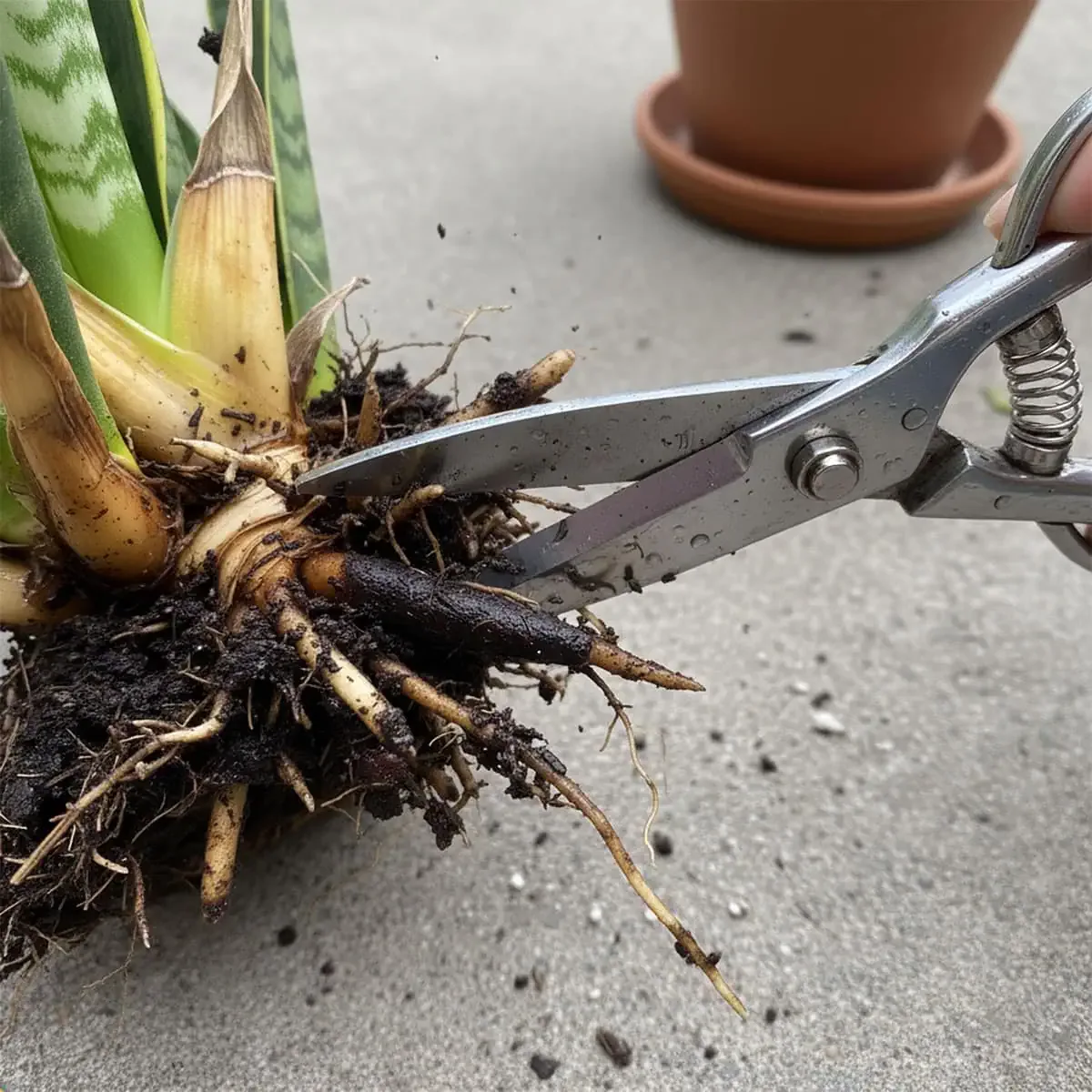
Image source: Web (Bing) / plantcarebasics.com
Here’s what to do for each diagnosis. Follow the steps that match your situation.
If overwatered (mushy leaves, wet soil):
- Stop watering immediately. Let the soil dry out completely. This may take one to three weeks.
- If the leaves are very mushy or yellow, unpot the plant. Remove all the soil from the roots.
- Inspect the roots. Healthy roots are white or tan and firm. Rotten roots are brown, black, and slimy.
- Trim off any rotten roots with clean scissors. Cut back to healthy tissue.
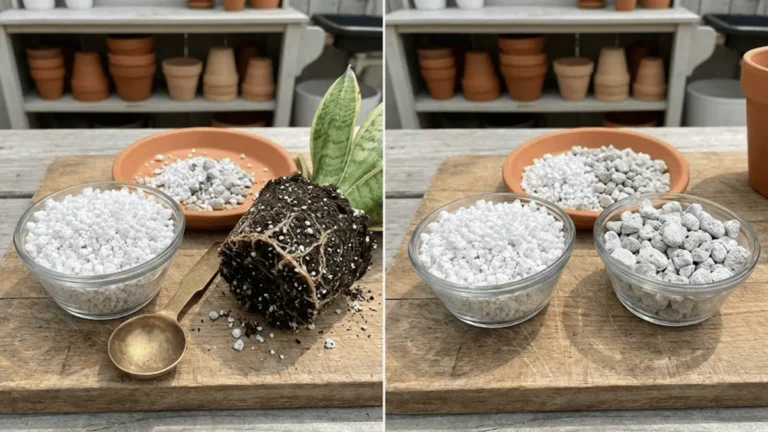
- Repot in fresh, dry cactus or succulent potting mix. Use a pot with drainage holes.
- Don’t water for at least a week after repotting. Then water sparingly.
If underwatered (wrinkled leaves, bone-dry soil):
- Give the plant a thorough soak. Water until it runs from the drainage holes. Let it drain completely.
- Wait five to seven days. Check if the leaves feel firmer. Repeat the soak if they’re still wrinkled.
- After that, water on a regular schedule, about every two to four weeks, depending on light and temperature.
If temperature shock (leaves firm but drooping from the middle):
- Move the plant away from cold windows, air conditioning vents, or drafts. Ideal temperature is 60, 85°F.
- Avoid sudden changes in light. Give it bright indirect light, not direct sun.
- Give it a few weeks to recover. The leaves should gradually stand back up.
If rootbound (roots circling the pot tightly):
- Repot into a container only one to two inches larger in diameter.
- Gently loosen the root ball before replanting.
- Water lightly after repotting, then wait for the soil to dry before the next watering.
Mistakes That Keep Your Snake Plant Drooping
Even after you fix the immediate problem, a few common mistakes can keep your snake plant sad and floppy. Here’s what to avoid.
Watering on a calendar. Snake plants don’t care what day it is. They care about soil moisture. Always check with your finger before watering.
A strict weekly schedule is a recipe for overwatering.
Using a pot without drainage holes. Water has to go somewhere. Without drainage, it pools at the bottom. Roots sit in water, rot sets in, and the leaves droop.
Always use a pot with at least one drainage hole.
Fertilizing a stressed plant. When a snake plant is drooping, it’s already in trouble. Adding fertilizer only adds stress. Wait until the plant has fully recovered, usually four to six weeks, before giving it any plant food.
Putting a snake plant in direct sun. While they like bright indirect light, full, direct sunlight can scorch the leaves. The leaves may turn yellow and droop from the heat. Move it to a spot with filtered light.
Ignoring the pot size. A pot that’s way too big holds too much moisture. The roots can’t drink it all, and the soil stays soggy. Stick with a pot that’s snug, only one to two inches larger than the root ball.
Forgetting to check for pests. Mealybugs and spider mites can weaken a plant, causing leaves to droop. Look for tiny white cottony spots or fine webbing on the undersides of leaves. If you see them, wipe the leaves with neem oil or insecticidal soap.
Avoid these traps, and your snake plant will bounce back much faster.
When to Expect Recovery – and What to Do Next
Once you’ve corrected the problem, patience becomes the hardest part. Snake plants are slow growers, so recovery takes time.
For overwatering. If you caught it early and just let the soil dry out, leaves may firm up in one to two weeks. If you had to trim rotten roots and repot, expect three to six weeks for new growth. The droopy leaves won’t stand back up.
They’ll stay soft and eventually yellow. You’ll know the plant is healthy again when new shoots push up from the soil.
For underwatering. Leaves often plump back up within a week after a good soak. If they were severely wrinkled, some may remain creased but still feel firm. That’s fine.
New leaves will come in smooth and upright.
For temperature shock. Leaves can perk up in two to four weeks after moving the plant to a stable spot. Do not water more often during this period. Let the soil dry normally.
What to do while you wait: Keep the plant in bright indirect light. Do not fertilize. Water only when the top two inches of soil are dry.
Resist the urge to poke or prop up the drooping leaves. They won’t heal, and moving them can crack the leaf tissue.
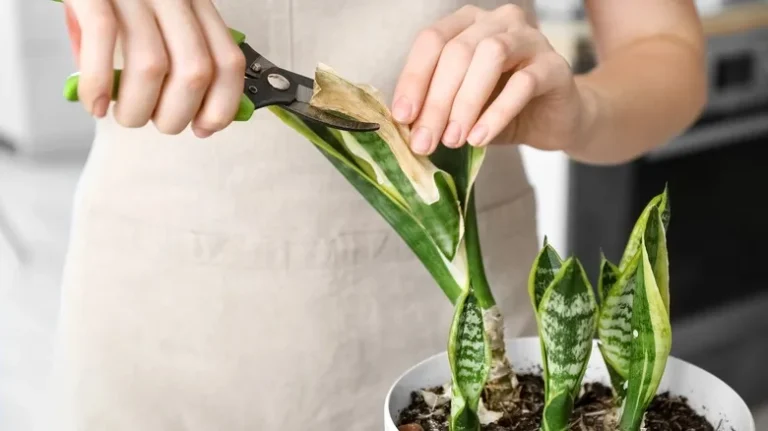
When to give up on a leaf. If a leaf remains mushy, yellow, or completely flat for more than four weeks, snip it off at the base. The plant will redirect energy to healthier leaves and new pups.
One encouraging sign: snake plants are tough survivors. According to the University of Minnesota Extension, Sansevieria can recover from root rot as long as even a small portion of healthy root remains. Give it time.
Your plant wants to live.
Frequently Asked Questions
Why are my snake plant leaves falling over but not mushy?
Firm leaves that fall over usually mean the plant is underwatered or not getting enough light. Check the soil first. If it’s dry, give a thorough soak.
If it’s moist and the light is low, move the plant to a brighter spot.
Should I cut off drooping snake plant leaves?
Yes, but only if they are mushy, yellow, or completely flat. Firm but droopy leaves may recover. Cut damaged leaves at the base with clean scissors.
Leave healthy leaves alone to support the plant’s recovery.
Can a snake plant recover from root rot?
Yes, if caught early. Trim off all rotten roots, repot in fresh dry soil, and hold off watering for one to two weeks. The plant may lose a few leaves, but new growth can appear within a month.
How often should I water a snake plant?
Every two to four weeks is typical, but always check the soil first. Water only when the top two inches feel dry. In winter, you may stretch that to every six weeks.
In summer, every two weeks is more common.
Does my snake plant need a bigger pot if leaves are drooping?
Not usually. Drooping from being rootbound is less common than overwatering. Look for roots circling the top of the soil or growing out of drainage holes.
If you see that, repot into a pot only one to two inches larger.
Can too much light cause drooping?
Yes, direct sunlight can scorch leaves, turning them yellow and limp. Snake plants prefer bright indirect light. If your plant is in a south-facing window with no curtain, move it back a few feet or filter the light.