
Grow healthy indoor plants without the guesswork
Beginner-friendly houseplant care guides for snake plants, pothos and spider plants. Learn the right light, watering and pet-safety basics, and fix common plant problems fast.
- 🌱 Beginner-first
- 🐾 Pet-safety notes
- ☀️ Low-light picks
- Easy-care plant picks
- Simple watering guidance
- Pet-safety checks
- Pest and problem fixes
Start with a plant you love
Pick a plant to get step-by-step care guides, propagation tips and troubleshooting, all in plain English.
Snake Plants
Upright, architectural and famously tough. Learn how to water, repot and keep snake plants thriving in almost any room.
Read snake plant guides →Pothos Plants
The classic starter vine. Discover varieties, propagation in water and how to train pothos on shelves and trellises.
Read pothos guides →Spider Plants
Cheerful, arching and generally considered non-toxic to cats and dogs. Learn to fix brown tips and grow baby spiderettes.
Read spider plant guides →Which plant suits your home?
Not sure where to begin? Choose the situation that sounds like yours.
Low-light rooms
Plants that cope with dim corners, offices and north-facing windows.
See low-light picks →Pet-friendly homes
Check which plants are safer around curious cats and dogs.
See pet-safe picks →First-time plant parents
Forgiving plants that handle missed waterings and beginner mistakes.
See easy-care picks →Small spaces
Compact and trailing plants for desks, shelves and apartments.
See small-space picks →Houseplant care in four simple steps
Get these four things right and most indoor plants will reward you with steady, healthy growth.
1. Light
Match the plant to the window. Bright, indirect light suits most houseplants, while low-light plants handle dimmer spots.
2. Water
Check the soil first, not the calendar. Overwatering is one of the most common beginner mistakes.
3. Soil & pot
Use a pot with drainage holes and a well-draining potting mix so roots never sit in soggy soil.
4. Climate & feeding
Keep plants away from cold drafts and heaters, and feed lightly during the spring and summer growing season.
What’s wrong with my plant?
Spot the symptom, understand the likely cause and get a clear fix.
Yellow leaves
Often caused by overwatering or poor drainage. Check the soil and roots.
Find the fix →Brown leaf tips
Usually dry air, uneven watering or mineral build-up from tap water.
Find the fix →Drooping or wilting
Can mean thirst or too much water. Feel the soil before you act.
Find the fix →Pests
Spider mites, mealybugs and fungus gnats: how to spot them and treat them.
Find the fix →Latest plant care guides
Fresh tips, care guides and troubleshooting from Greeny Houseplants.
-
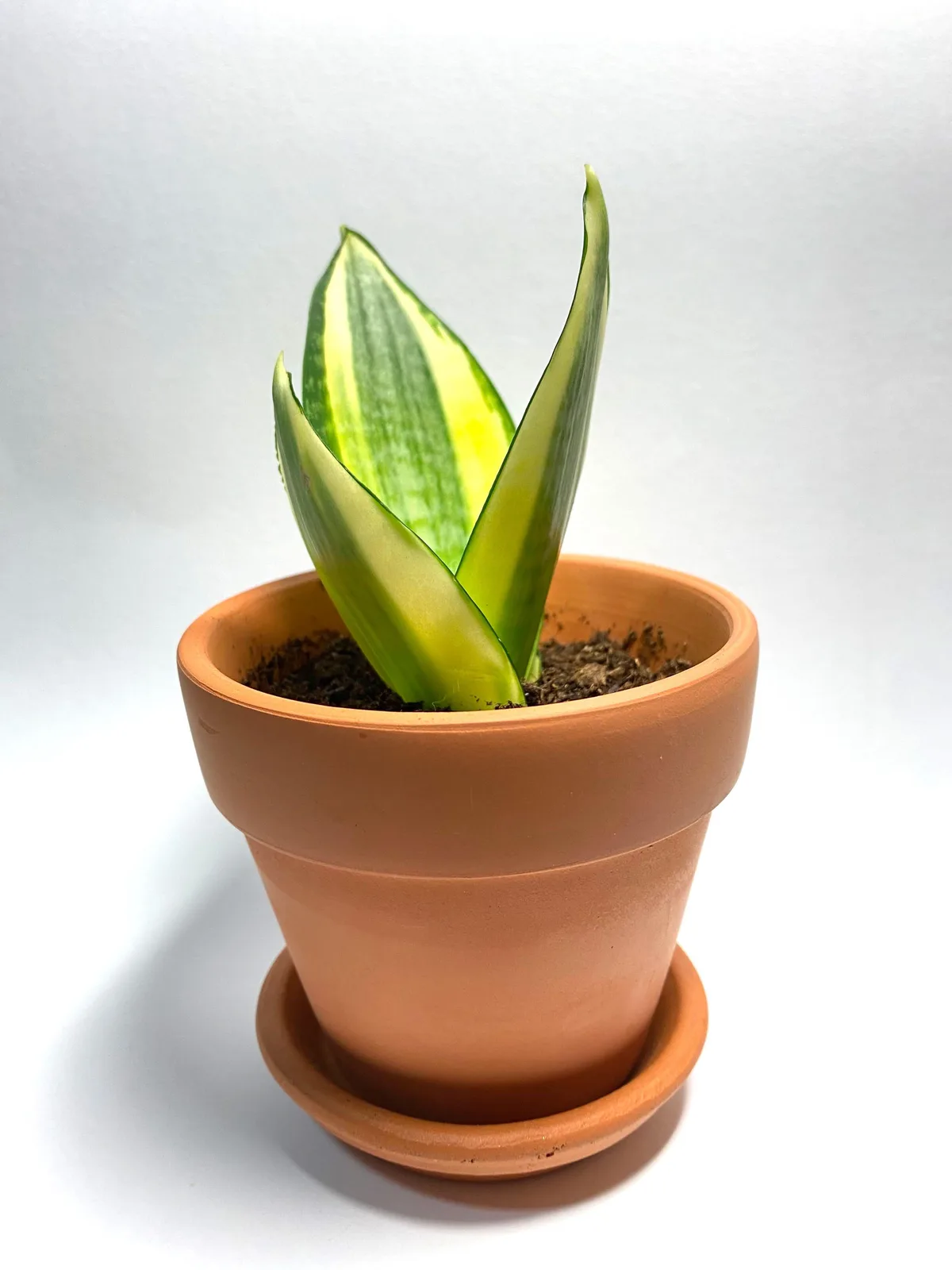
How to Repot Snake Plants Without Killing Them
Your snake plant is tough, but even the toughest houseplant outgrows its home eventually. Maybe you’re seeing roots poking out of the…
-
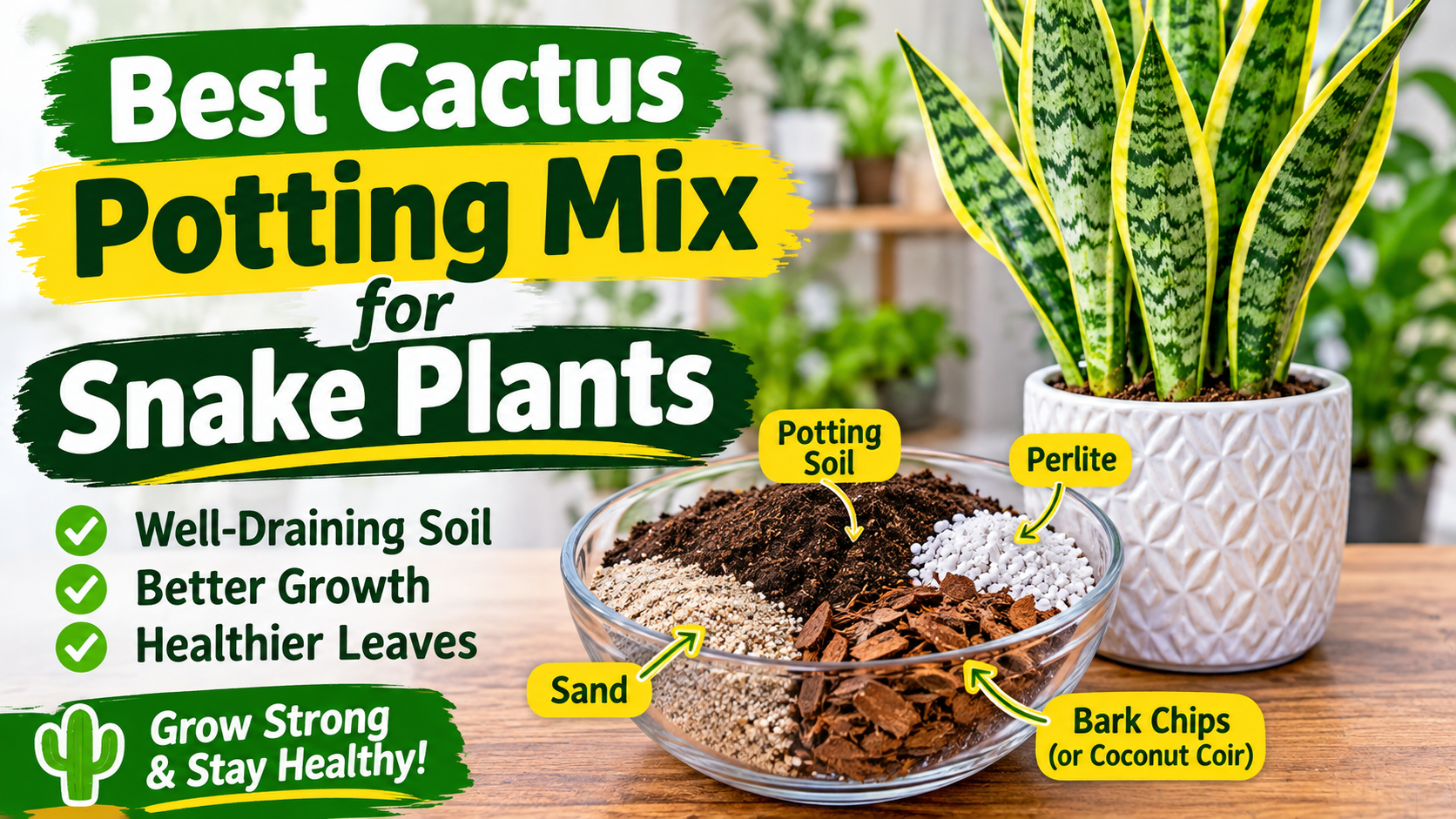
Best Cactus Potting Mix for Snake Plants
If you’ve ever bought a cactus potting mix for your snake plant and watched it struggle, you’re not alone. The truth is,…
-
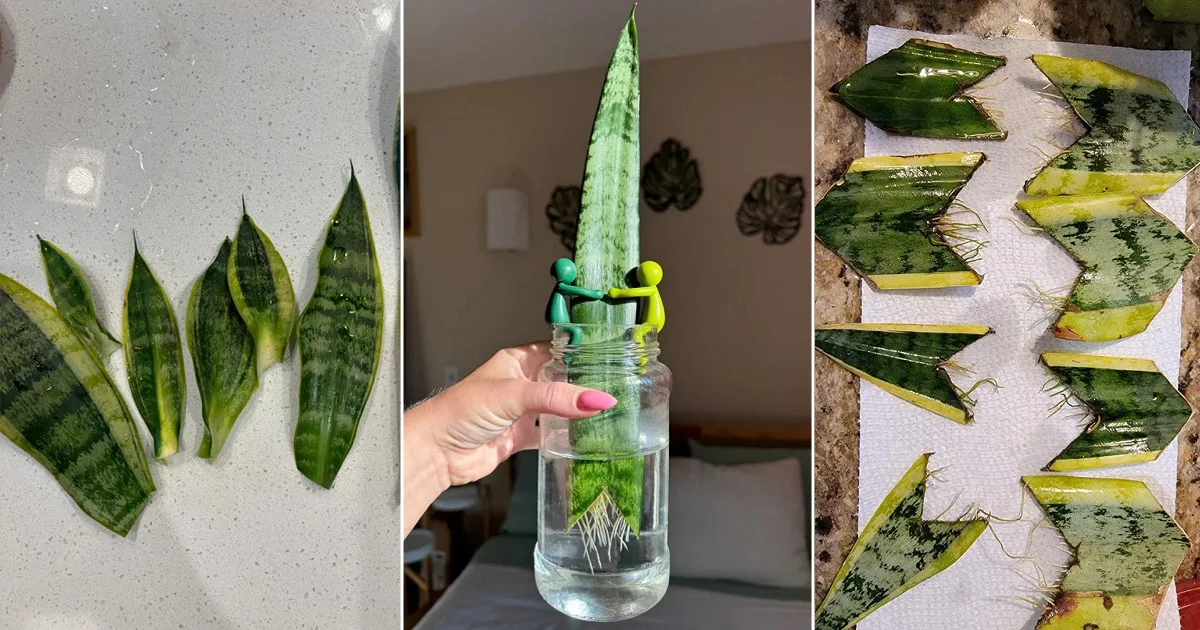
Can Snake Plants Grow in Water? Yes, Here’s How
You’ve probably seen snake plants thriving in a dusty corner with barely any light, and you’ve wondered: can snake plant grow in…
Plant advice you can actually follow
We keep indoor plant care clear, practical and kind to beginners.
Beginner-first
No jargon and no overwhelm. Every guide starts with the simplest thing that works.
Clear, step-by-step
Light, water, soil and fixes laid out in short steps you can follow in minutes.
Pet-safety notes
We flag which plants are generally considered pet-safe and which to keep out of reach.
Houseplant questions, answered
What are the easiest houseplants for beginners?
Snake plants, pothos and spider plants are three of the most forgiving options. They tolerate missed waterings and a range of light conditions.
How often should I water indoor plants?
There is no single schedule. Check the soil first: most houseplants prefer to dry out slightly between waterings, and snake plants need water less often than pothos or spider plants.
Which houseplants are safe for pets?
Spider plants are generally considered non-toxic to cats and dogs. Snake plants and pothos are considered toxic if eaten, so keep them out of reach. Always check the ASPCA plant list for your specific plant.
Can houseplants grow in low light?
Some plants, including snake plants and pothos, tolerate low light, but no plant grows in complete darkness. A grow light can help in very dim rooms.
Why are my plant’s leaves turning yellow?
Overwatering and poor drainage are common causes. Check that the pot drains well and let the soil dry appropriately before watering again.
New to houseplants? Start here.
Pick one easy plant, learn its basics and grow your confidence one leaf at a time.