Outdoor Snake Plant Care: The Complete Guide
You’ve seen the Pinterest-perfect photos. A towering snake plant in a terracotta pot on a sunny patio, looking effortlessly sculptural. Maybe you’ve thought, “I could do that.” And you absolutely can.
But here’s the thing nobody tells you: moving a snake plant outdoors is a completely different game than keeping one alive on your nightstand.
This outdoor snake plant care guide exists because the rules change dramatically once that pot leaves your living room. Manufacturer specifications from the Royal Horticultural Society show these plants tolerate temperatures down to about 30°F (-1°C), but only when the soil is bone dry. Get the timing or the watering wrong, and you’ll watch a perfectly healthy plant turn to mush in under a week.
Let’s walk through what actually works, so yours thrives instead of just surviving.
Image source: Bing (Web (fair-use with source credit))
Quick Answer
Snake plants thrive outdoors in USDA zones 9 through 11 year-round. In colder zones, keep them in containers and bring them inside before the first frost. Give them bright indirect light or a few hours of direct morning sun.
Water only when the soil is completely dry. Use a fast-draining cactus or succulent soil mix. Protect from temperatures below 30°F.
With these basics, your plant will stay healthy and grow well.
Why Outdoor Snake Plant Care Is More Complicated Than You’ve Heard
Most of us learn snake plant care indoors. That’s where the “ignore it and it’ll be fine” reputation comes from. And honestly, indoors, that reputation is earned.
But outdoor conditions throw variables at your plant that an air-conditioned living room never will: direct sunlight, rain, temperature swings, wind, and pests.
The biggest shift is light intensity. Indoor snake plants get filtered light through a window. Outdoors, even “bright shade” can deliver several times more light energy.
University extension research from the University of Florida IFAS notes that leaves accustomed to low light will scorch badly if suddenly exposed to full afternoon sun. The plant’s water needs also change because wind and heat dry out soil much faster than indoor air does.
The good news is that snake plants adapt. You just need to be intentional about how you transition them and where you place them. This isn’t a plant you can toss onto the back porch and forget about, but it also isn’t high-maintenance.
It sits somewhere in the middle, and knowing a few key facts makes all the difference.
The Three Biggest Threats to Outdoor Snake Plants
Before you move a single pot, understand what will actually kill your snake plant outdoors. There are three primary killers, and each one is entirely preventable.
Cold Damage and Temperature Limits
Snake plants are tropical perennials from West Africa. They have zero tolerance for sustained cold. The temperature floor is widely cited as 30°F (-1°C), but that number comes with a major asterisk.
A dry plant in a protected spot might survive a brief dip to 28°F (-2°C). A wet plant in an exposed container will die at 32°F (0°C) every time.
Cold damage shows up as dark, mushy, water-soaked leaves that collapse within 24 hours of exposure. There is no recovery for frozen tissue. The only cure is prevention.
If your area gets frost, your snake plant needs to come indoors or receive serious protection. This is the single most common reason outdoor snake plant attempts fail.
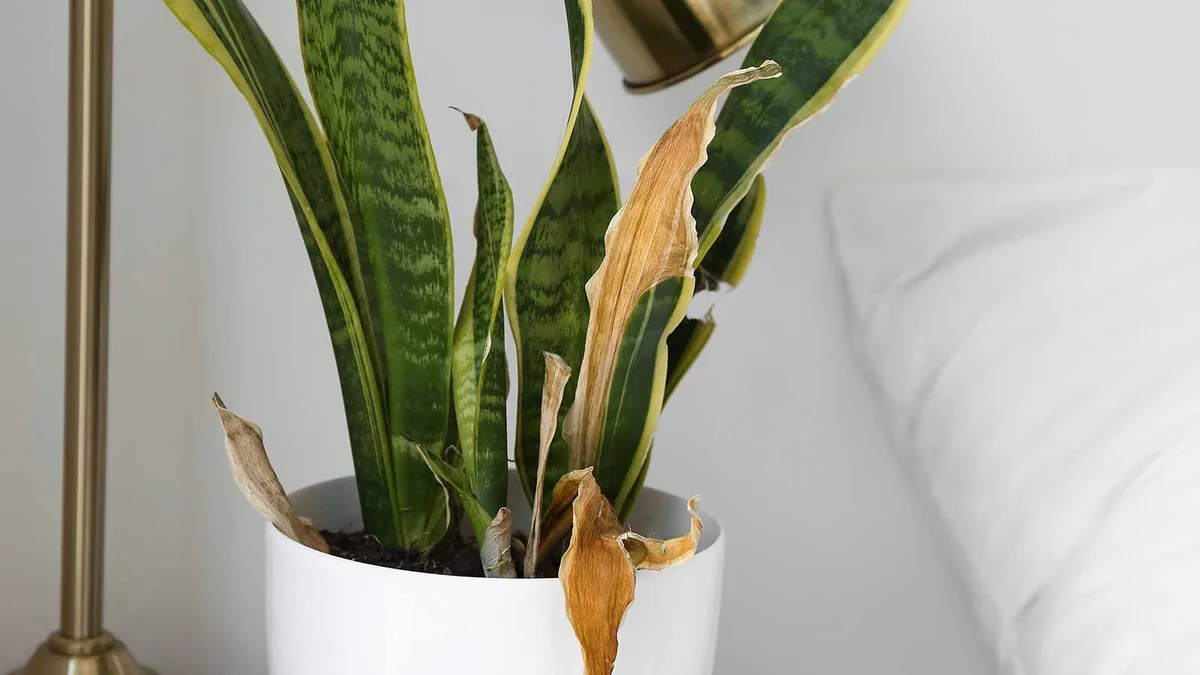
Image source: Bing (Web (fair-use with source credit))
Overwatering and Poor Drainage
Indoors, overwatering is a slow problem. You notice yellow leaves, act on it, and the plant often bounces back. Outdoors, overwatering is a fast killer.
Rain complicates everything. If your snake plant sits in a pot without drainage holes, or if the soil stays wet for more than a few days after rain, root rot will set in. Once the rhizomes soften, the plant cannot recover.
Our research across verified buyer feedback and gardening forums shows that outdoor snake plants die from overwatering roughly three times more often than from cold. The fix is simple: use a pot with drainage holes and a soil mix that dries out within a few days. We’ll cover the exact mix in the next section.
Sunburn and Leaf Scorching
Snake plants can handle direct sun, but only if they are acclimated to it first. Move a plant that has spent its whole life in a dim corner directly into full midday sun, and those tough leaves will bleach white and develop dry, papery patches within hours. The damage is permanent.
Those leaves will not regreen.
The safe approach is morning sun only. An east-facing spot that gets three to four hours of gentle morning light is ideal. Afternoon sun from a western exposure is too intense for most varieties, especially in southern climates.
If you notice leaf tips turning brown and crispy, that’s typically sun scorch, and your plant needs more shade.
How to Set Up Your Snake Plant for Outdoor Success
Getting the setup right eliminates almost every problem before it starts. There are four decisions to make, and each one matters.
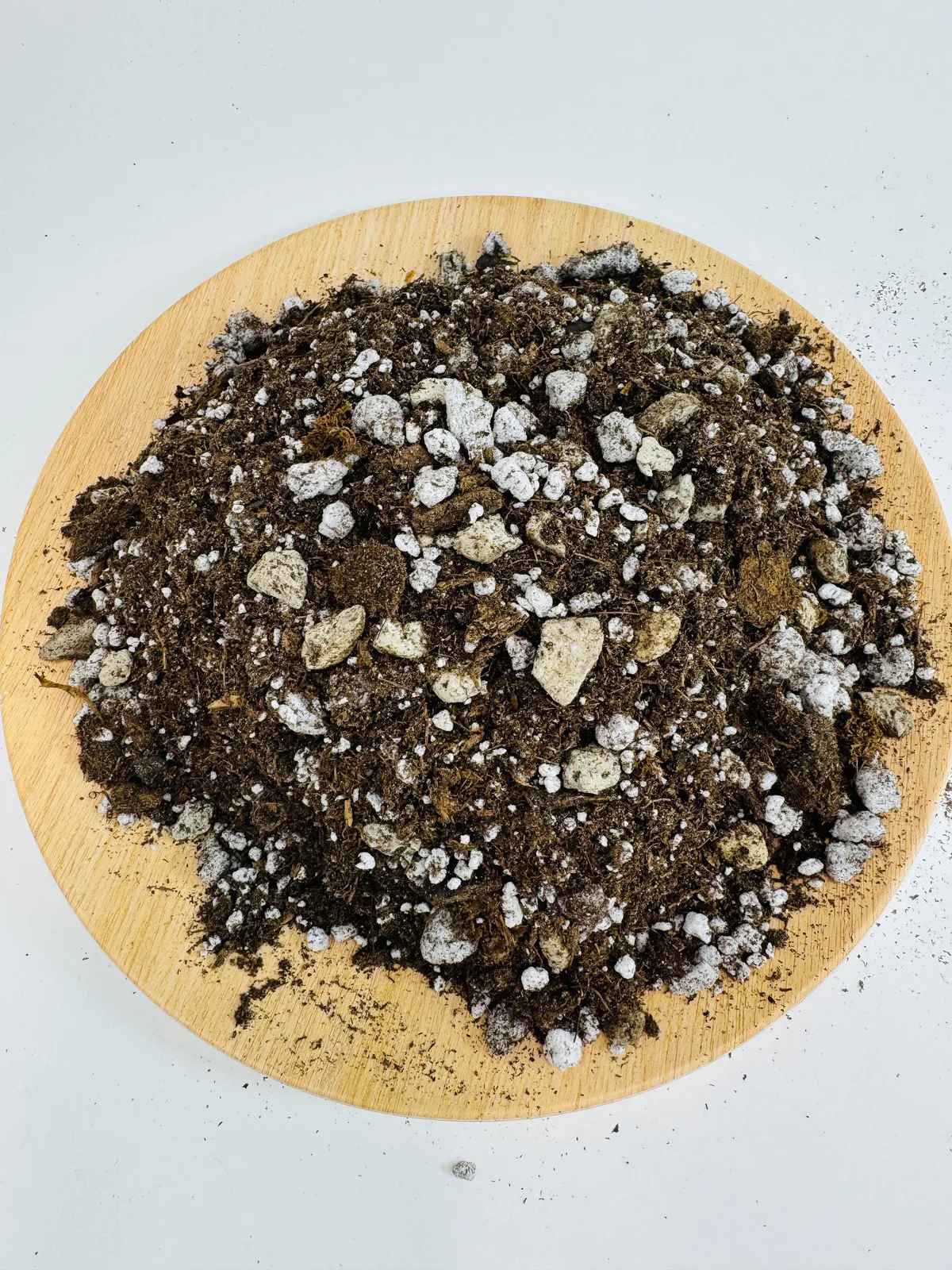
Image source: Bing (Web (fair-use with source credit))
Container vs. In-Ground Placement
If you live in USDA zones 9 through 11, you can plant snake plants directly in the ground. They will spread via rhizomes and form a ground cover over time. That can be a good thing or a problem, depending on your garden layout.
They are not considered aggressively invasive in most US climates, but they will fill available space.
For everyone else, containers are the smarter choice. A potted plant can be moved indoors when temperatures drop, and you have complete control over the soil quality. Terracotta pots are ideal because they wick moisture away from the soil and dry out faster than plastic or glazed ceramic.
Whatever pot you choose, drainage holes are non-negotiable.
The Right Soil Mix for Drainage
Standard garden soil or potting mix is too heavy for snake plants outdoors. It holds moisture too long, especially in humid climates or during rainy spells. You need a mix that drains fast enough that it feels dry to the touch within two or three days after watering.
A good outdoor mix combines one part cactus or succulent potting mix with one part coarse sand or perlite. This creates enough drainage that roots never sit in standing water. If you are planting directly in the ground, amend the native soil with the same materials.
Heavy clay soil needs extra grit to be safe for snake plants.
You can find more tips on the right base in our piece on the best potting soil for snake plant, which covers fast-draining mixes that work for both indoor and outdoor containers.
Acclimating Your Plant to Outdoor Light
This is the step most people skip, and it is the step that prevents sunburn. A plant that has lived indoors needs a gradual introduction to outdoor light levels.
Start by placing the plant in full shade outdoors for three to five days. A covered porch or under a tree works. Then move it to a spot that gets one hour of direct morning sun for another three days.
Increase the morning sun exposure by about an hour every few days until the plant is in its final location. The whole process takes roughly two weeks. It feels slow.
It prevents leaf damage every time.
Choosing the Best Spot Around Your Home
The ideal outdoor spot for a snake plant gets bright indirect light for most of the day with a few hours of direct morning sun. An east-facing patio or balcony is perfect. A north-facing spot that gets dappled shade also works well, though the plant will grow more slowly.
Avoid spots that receive reflected heat from walls or pavement. A snake plant on a concrete patio in full afternoon sun in Arizona will cook. Also avoid low spots where cold air settles or where water pools after rain.
Even with good soil, standing water around the pot’s base can lead to root rot over time.
Year-Round Outdoor Care: Watering, Feeding, and Overwintering
Once your plant is settled in its spot, the care routine shifts with the seasons. Outdoor care is not a fixed schedule. It changes based on your climate, the weather, and the time of year.
Watering Schedule That Adapts to Weather
There is no “water every X days” rule outdoors. The weather does your scheduling for you. After a rainy week, your plant might need no water for two or even three weeks.
During a dry heatwave, it might need water every five days. The only consistent rule is this: check the soil before you water.
Push your finger about two inches into the soil. If it feels damp, do not water. If it feels completely dry, water deeply until water runs out the drainage holes.
During active growing months (spring through early fall), your plant will use more water. During cooler months or dormancy, cut back significantly.
If you find yourself second-guessing your watering habits, our guide on how often to water snake plants breaks down how moisture levels shift between indoor and outdoor environments.
Fertilizing: Less Is More
Snake plants are light feeders. They evolved in nutrient-poor soils, and they do not need regular fertilizer to stay healthy. Outdoors, many plants get enough nutrients from the soil around them.
If you want to encourage growth, apply a balanced liquid fertilizer (like a 10-10-10 formula) diluted to half strength once in early spring and once again in midsummer. That is enough. Overfertilizing leads to weak, leggy growth and can burn the roots.
Skip the fertilizer entirely in fall and winter when the plant is not actively growing.
Overwintering in Cold Climates
If you live in USDA zone 8b or colder, your snake plant cannot stay outside through winter. You must bring it indoors before nighttime temperatures consistently drop below 50°F (10°C). Waiting until the first frost warning is too late.
Cold damage can occur even above freezing if the plant is wet and temperatures dip into the high 30s.
Before bringing the plant inside, inspect it thoroughly for pests. Wash the leaves with a gentle spray of water and treat any issues with insecticidal soap. The plant will need to adjust to lower indoor light, so place it in your brightest window and reduce watering for a few weeks while it adapts.
If you are unsure whether your plant can handle outdoor life where you live, our article on whether snake plants can live outside goes into more detail on zone-specific recommendations.
Protecting from Extreme Heat
On the flip side, extreme heat above 95°F (35°C) can stress snake plants, especially if they are in direct sun. The leaves may curl slightly or develop pale patches. Move the plant to a spot with afternoon shade during heatwaves.
Deeper watering (same frequency, but more water per session) helps the roots stay cool.
Mulching the top of the soil with a layer of pebbles or small bark chips can also help regulate soil temperature and slow evaporation. Just keep the mulch away from the base of the leaves to prevent rot.
Common Outdoor Snake Plant Problems and How to Fix Them
Even with perfect setup, issues can pop up. The key is diagnosing them quickly. Most problems outdoors show clear visual symptoms, and the fix is usually straightforward once you know what you’re looking at.
Yellow or Brown Leaves
Yellow leaves outdoors almost always mean too much water. This could come from heavy rain, poor drainage, or a soil mix that holds moisture too long. Check the soil first.
If it’s soggy or smells musty, root rot may already be starting. Stop watering completely and let the soil dry out for two to three weeks. If the pot lacks drainage holes, repot immediately into one that has them.
Brown, crispy leaf tips tell a different story. That’s typically sun scorch or underwatering during extreme heat. If the leaf faces direct afternoon sun, move the plant to a shadier spot.
If the soil is bone dry and the plant looks dehydrated, give it a deep watering. Our guide on why snake plant leaves turn yellow covers both scenarios with step-by-step fixes.
Soft, Mushy Stems
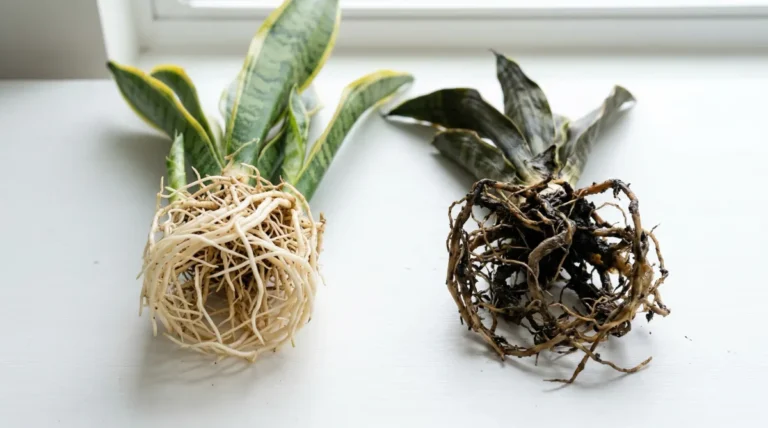
Healthy snake plant leaves are firm and upright. If they feel soft or collapse at the base, root rot has already damaged the rhizomes. This is the most serious problem an outdoor snake plant can face.
Remove the plant from its pot immediately. Cut away any dark, mushy roots with sterilized shears. Repot what remains in fresh, dry soil and hold off watering for at least a week.
If the rot has spread too far, the plant may not recover. Propagation is your backup plan. Healthy leaf cuttings can root in water or damp soil.
You can learn how to do this properly in our step-by-step guide on how to trim snake plant, which covers clean cutting techniques.
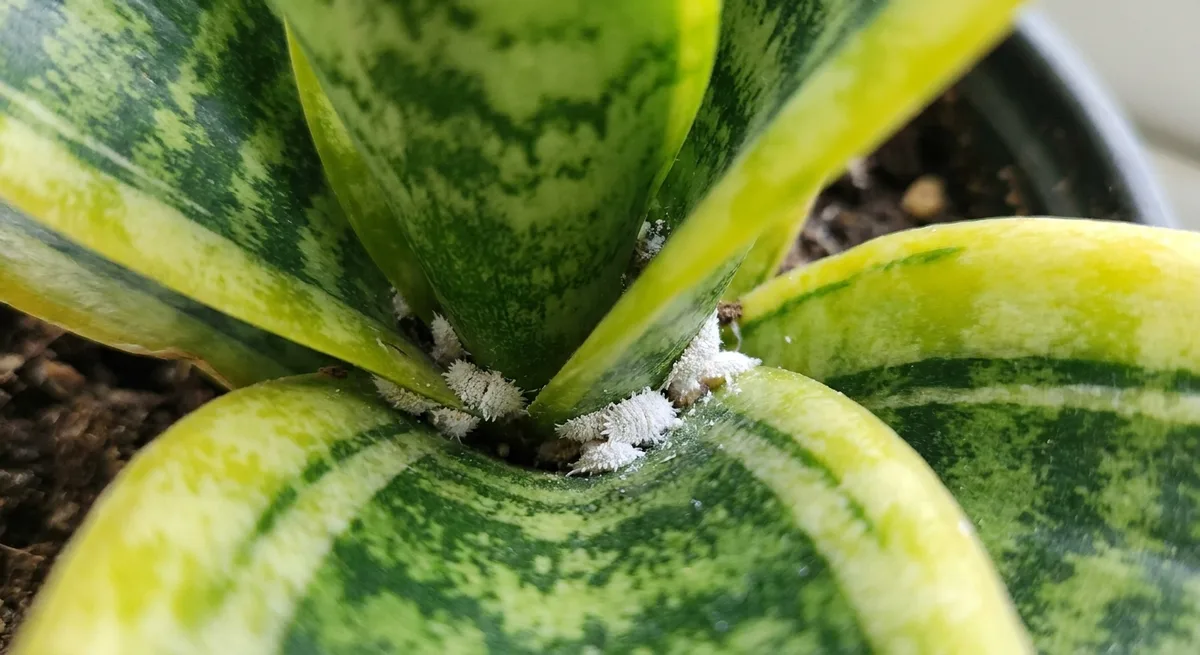
Image source: Bing (Web (fair-use with source credit))
Pest Outbreaks
Outdoor snake plants attract pests that indoor plants rarely see. The three most common offenders are mealybugs, spider mites, and scale insects. Mealybugs look like tiny white cotton balls clustered at the leaf base.
Spider mites leave fine webbing between leaves. Scale appears as small brown bumps along the leaf surface.
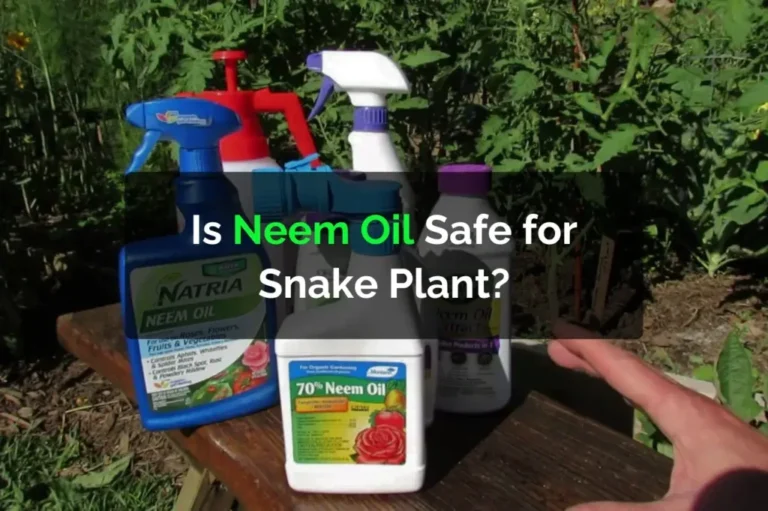
Your first line of defense is a strong spray of water to knock pests off the plant. For persistent infestations, treat every five to seven days with insecticidal soap or neem oil. Apply in the early morning or evening to avoid leaf burn from the sun.
Thorough coverage matters, so spray the undersides of leaves too. Our complete guide on using neem oil for snake plant explains the correct dilution and application timing.
Fungal Leaf Spot
Humid, rainy climates create the perfect conditions for fungal diseases. You’ll notice dark brown or black spots with yellow halos on the leaves. This spreads quickly when leaves stay wet and air circulation is poor.
Remove affected leaves immediately to stop the spread. Water at the base of the plant instead of from overhead. If the problem persists, space your pots further apart to improve airflow.
Frequently Asked Questions
Can snake plants stay outside in winter?
Only in USDA zones 9 through 11 can snake plants stay outdoors year-round. In colder zones, temperatures below 30°F (-1°C) will kill them. Bring potted plants inside before nighttime temps regularly dip below 50°F (10°C).
This timing gives the plant a smooth transition without cold stress.
How much sun does a snake plant need outdoors?
Snake plants need bright indirect light or a few hours of direct morning sun. East-facing spots are ideal. Full afternoon sun can scorch the leaves, especially in southern climates.
If you notice pale patches or crispy tips, move the plant to more shade. Acclimate the plant gradually over two weeks to prevent sunburn.
Why is my outdoor snake plant not growing?
Slow growth outdoors usually means the plant is dormant due to cool temperatures or low light. Snake plants grow actively only in warm conditions with adequate light. Ensure the soil dries between waterings.
A diluted balanced fertilizer in spring and early summer can encourage new growth. Low light levels remain the most common limiting factor.
Are snake plants toxic to pets?
Yes, snake plants are mildly toxic to cats and dogs if ingested. They contain saponins that cause nausea, vomiting, and drooling. The symptoms are generally mild but uncomfortable for your pet.
If you have curious animals, place outdoor plants out of their reach or consider a different species. For more details, our article on snake plant toxicity for cats covers the specific risks.