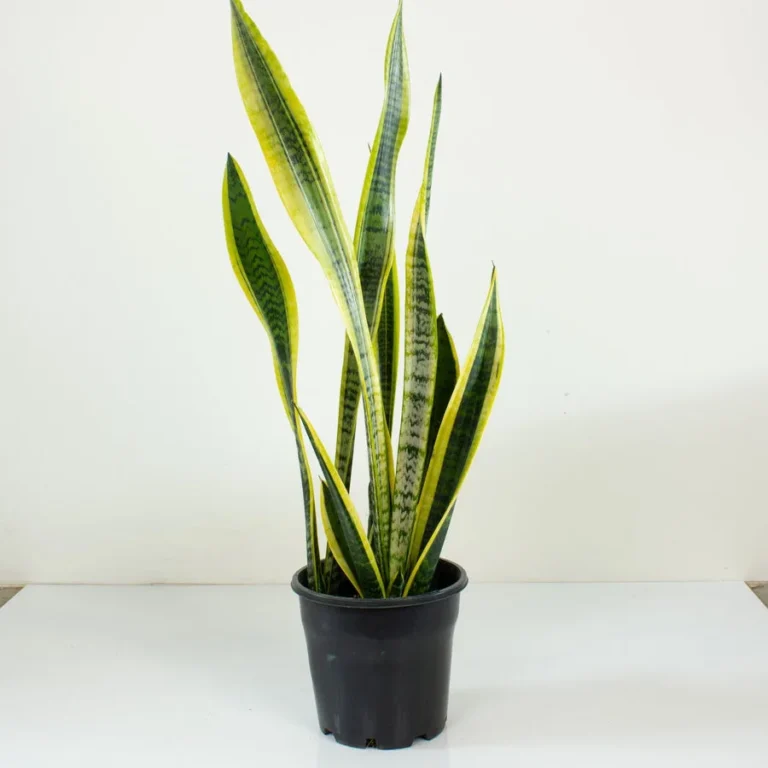
Do Snake Plants Flower? Signs, Timing & Care Tips
Do snake plants flower? It’s one of the most common questions from houseplant owners who’ve had a snake plant for years and never seen a bloom. The short answer is yes, but it’s not something you can expect on a regular schedule, especially indoors.
Snake plants (Sansevieria trifasciata, now reclassified as Dracaena trifasciata) are native to tropical West Africa. Per the Royal Horticultural Society’s cultivation guide, flowering in these plants typically requires a mature specimen at least four to five years old, kept in a pot-bound state with bright indirect light for extended hours indoors. Most hobbyists never see a bloom, and that’s not a sign of poor care.
Let’s look at what actually triggers a flower and whether you should want one.
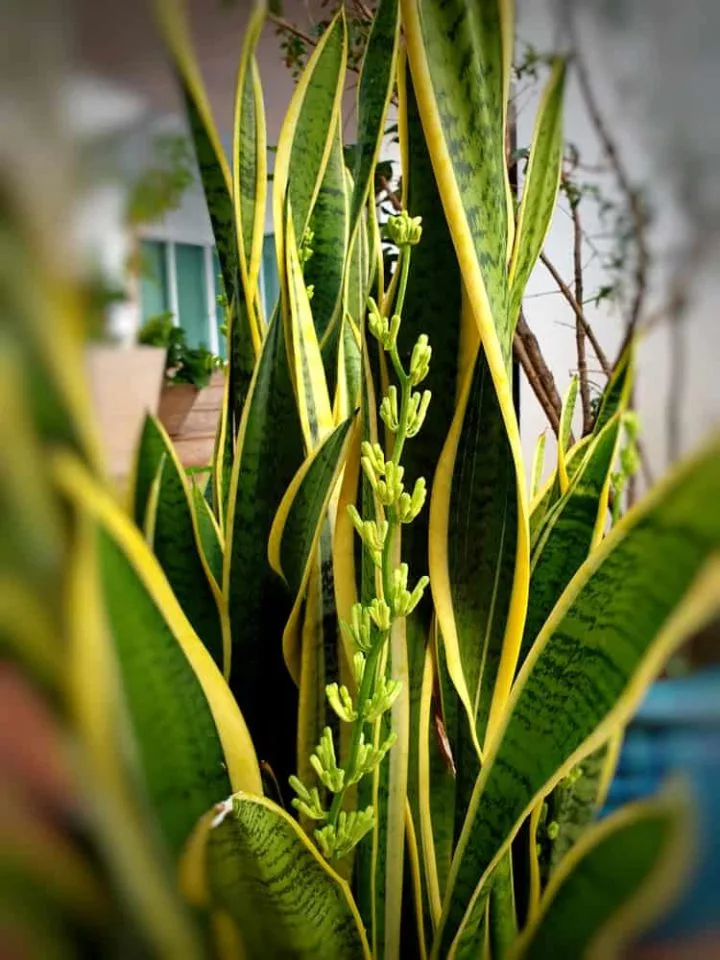
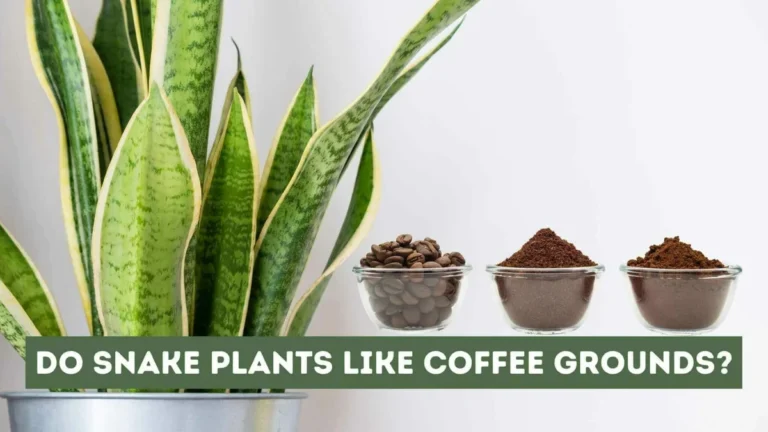
Image source: Web (Bing) / bloomingbackyard.com (Web image (fair-use with source credit))
Quick Answer / Key Insight
Yes, snake plants can flower. But most never do indoors. The bloom is a response to controlled stress: root crowding, bright light, and maturity.
Flowers appear on a tall stalk and last about a week. They smell nice. Then the stalk dies.
Snip it off and move on.
The Three Conditions That Trigger a Snake Plant Flower
Snake plants don’t flower because they’re happy. They flower because they’re trying to reproduce when conditions feel precarious. Three specific factors need to line up.
| Condition | What It Looks Like | How Common It Is |
|---|---|---|
| Maturity | Plant is 5+ years old, thick rhizomes, lots of leaves | Common for old plants |
| Light stress | Bright indirect light for 12+ hours daily, year-round | Uncommon indoors |
| Pot-bound | Roots completely fill the pot, no room to expand | Very common trigger |
Maturity matters because a snake plant must store enough energy in its rhizomes to produce a flower stalk. A young plant, say under three years old, simply doesn’t have the reserves. Light stress forces the plant to sense a long growing season.
In most homes, snake plants get six to eight hours of moderate light, not the twelve-plus hours of bright indirect light they evolved under in open savannahs. The pot-bound condition is the biggest one. When roots pack every inch of soil, the plant can’t take up more water or nutrients.
It perceives this as a signal that survival is threatened. It redirects energy into flowering.
One more subtle factor: a dry period. Snake plants in the wild experience seasonal drought, which triggers the bloom cycle. If you water yours consistently every week, you may never hit that dry trigger.
But overwatering is far more dangerous than underwatering, so don’t chase drought on purpose.
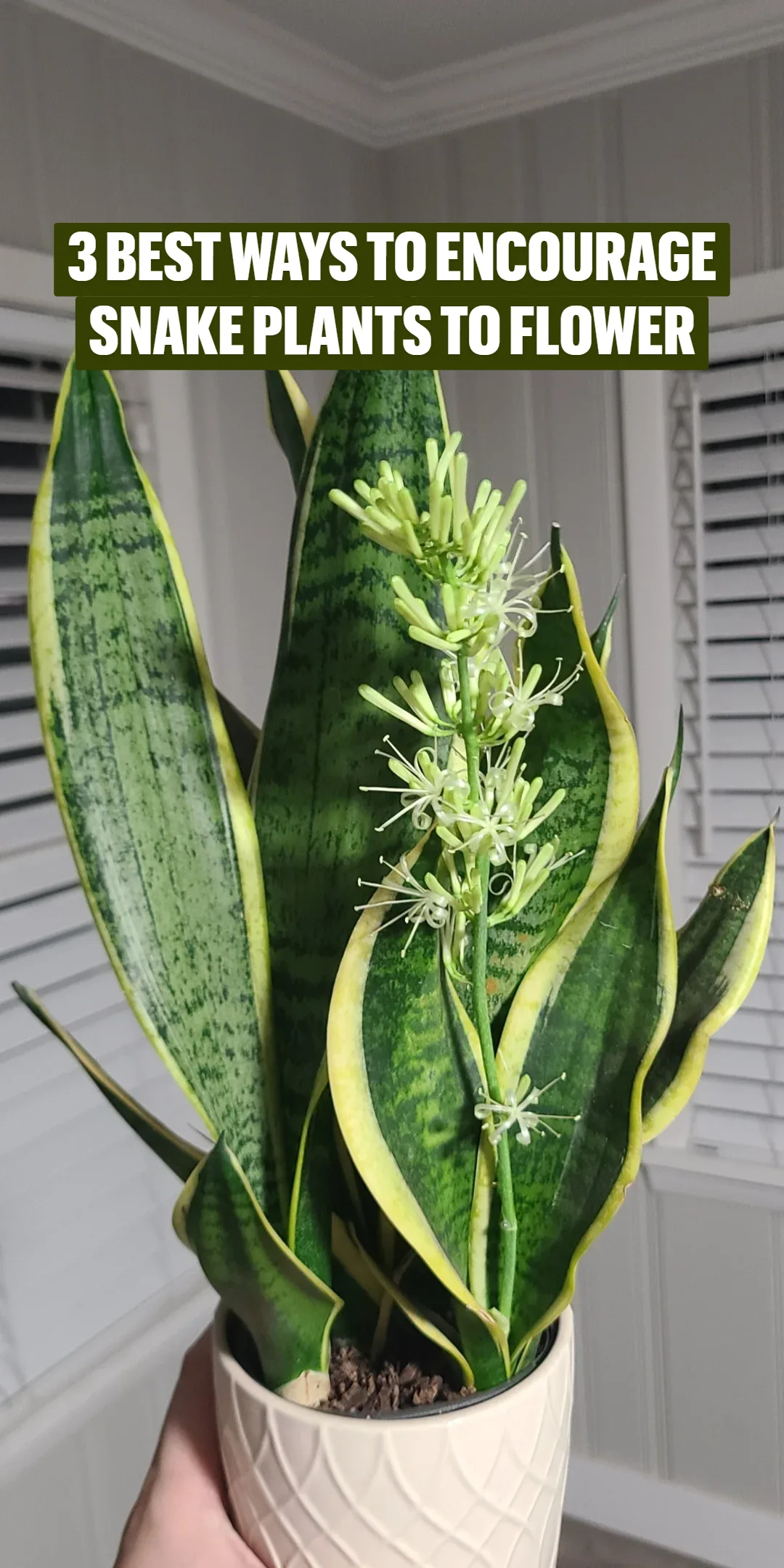
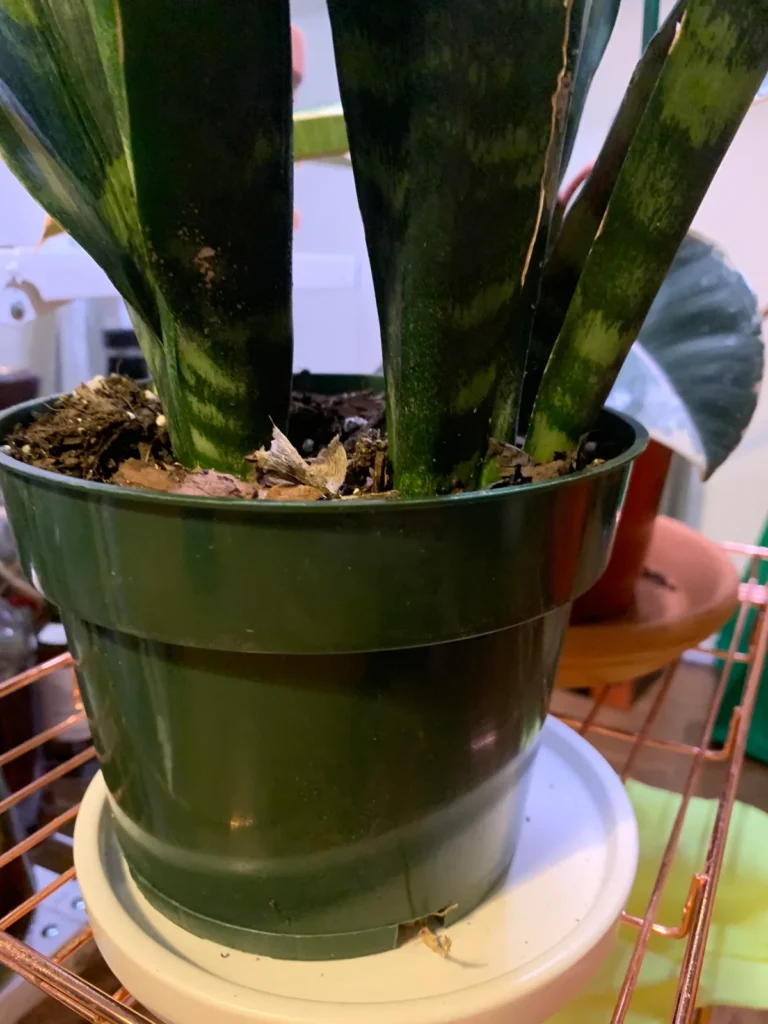
Image source: Web (Bing) / pinterest.com (Web image (fair-use with source credit))
Decision Tree: Will Your Plant Bloom?
Use this simple decision guide to evaluate your specific snake plant.
Is your plant at least 4 years old?
- No → It almost certainly won’t flower. Maturity is the first gate. Wait a few years.
- Yes → Move to the next question.
Is the pot full of roots?
- No → Check if roots circle the bottom when you gently tilt the pot out. If there’s still loose soil, the plant isn’t root-bound. Unlikely to bloom.
- Yes → The root-bound condition is met. Move to light.
Does it get 12+ hours of bright, indirect light daily?
- No → Even with a pot-bound mature plant, low light kills the chance. South or west-facing windows are best. Full shade won’t trigger blooming.
- Yes → You’ve got all three conditions. There’s a good chance a flower stalk will appear, typically in spring or early summer.
Additional check: Have you skipped watering for 2, 3 weeks at any point recently?
- No → Add a controlled dry period (let soil dry completely between waterings) to increase the odds.
- Yes → You’ve mimicked natural drought. Bloom is even more likely.
If the checklist aligns, watch the center of the plant. A smooth, solid spike emerging from the leaf cluster is the first sign.
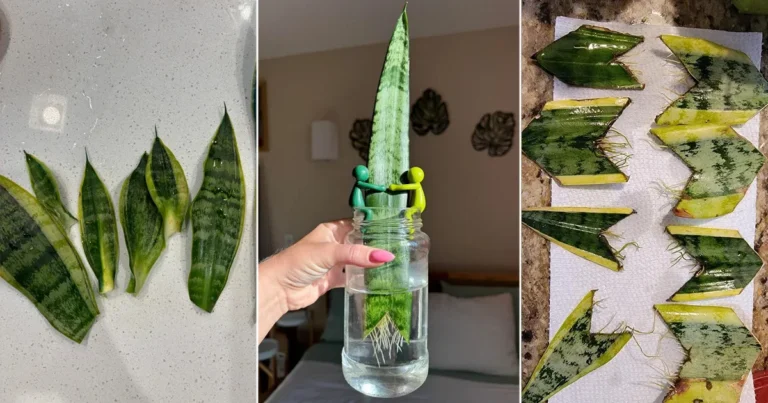
Image source: Web (Bing) / es.pinterest.com (Web image (fair-use with source credit))
Step-by-Step Guide: What to Do If It Flowers
If a flower stalk appears, follow these steps. They keep the plant healthy and let you enjoy the rare event.
-
Identify the stalk correctly. It’s a single, smooth, solid spike that rises from the very center of the plant. Leaves grow from the sides. Don’t confuse it with a leaf offset (pup), which emerges from the side of the parent plant.
-
Wait, do not repot or fertilize during bloom. The plant is pouring energy into reproduction. Changing the pot or adding fertilizer shocks it. Just let it be.
-
Allow the flowers to fully open. This takes three to seven days after the stalk appears. The scent is strongest in the first few days after opening. Enjoy it. The flowers last seven to fourteen days total.
-
Cut the flower stalk after it browns. Use sterilized scissors or pruners. Snip it as low as possible without cutting leaves. The stalk will die back anyway.
-
Inspect the roots. About a month after blooming, gently remove the plant from its pot. If roots are circling the bottom or pushing out drainage holes, it’s time to repot into one size larger. Use a container with drainage holes.
-
Resume normal care. Water only when the top two inches of soil are dry. Snake plants hate wet feet. Keep it in bright, indirect light.
-
Do not fertilize for at least 60 days post-bloom. The plant used stored energy for the flower. Feeding it too soon forces it to try new growth when it’s still recovering. Slow and steady wins.
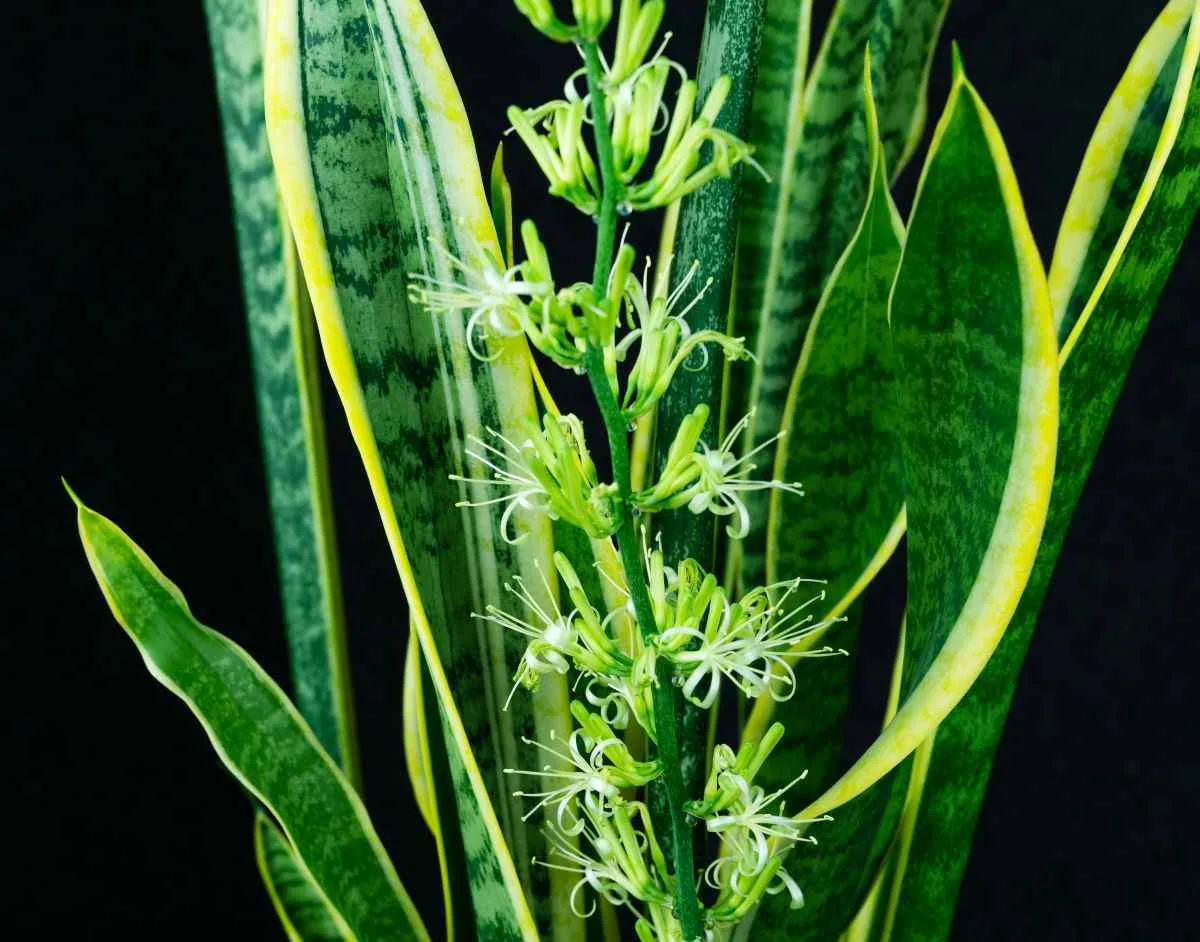
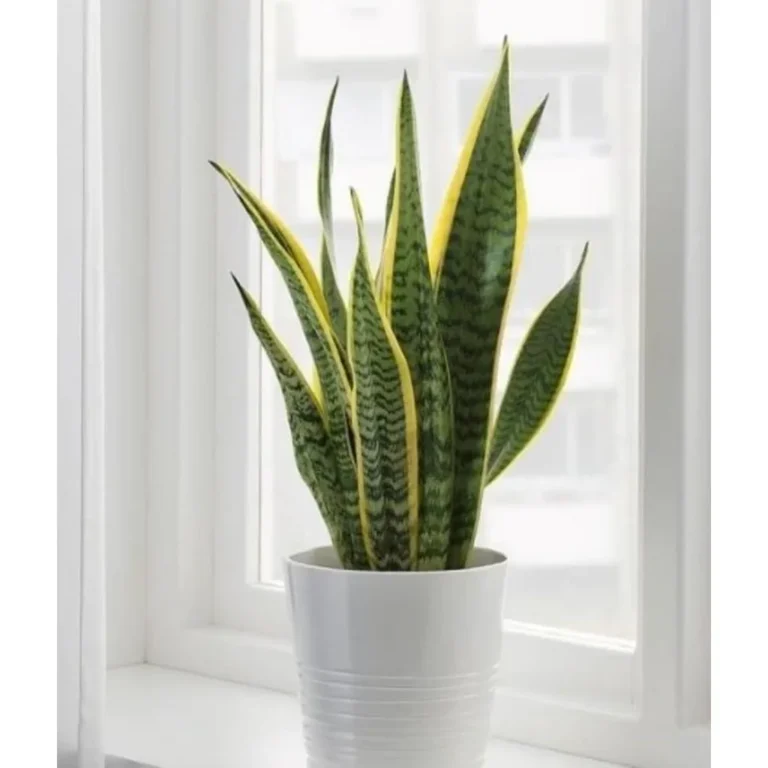
Image source: Web (Bing) / ar.inspiredpencil.com (Web image (fair-use with source credit))
Common Mistakes to Avoid (and Why)
Even experienced owners make these errors when a snake plant flowers.
Mistake 1: Cutting the stalk too early. Some people snip the stalk the moment they see it, thinking it’s a weed or a pest. You miss the entire bloom. Wait until the flowers open and fade.
Mistake 2: Repotting during the bloom. Full stop. The plant needs stability. Moving it to a larger pot while flowers are open stresses it.
The flowers may drop prematurely. Wait until the stalk dies.
Mistake 3: Overwatering after blooming. A common instinct is to pamper the plant now that it’s done something special. Snake plants are drought-tolerant. Extra water after flowering often leads to root rot, especially if roots are already crowded.
Mistake 4: Trying to force flowering on purpose. Some articles recommend stressing the plant deliberately by underwatering for months or leaving it in a tiny pot until roots crack it. That’s not healthy. A forced bloom drains the plant’s reserves and can stunt future growth.
Let it happen naturally or not at all.
Mistake 5: Assuming the plant is dying. Snake plants are not monocarpic, they don’t die after flowering like agave or bamboo. The parent plant continues to live and produce new leaves. The flower stalk is a one-time event per mature rhizome.
The plant as a whole keeps going.
Mistake 6: Failing to cut the stalk after it dries. Leaving a dead stalk attached can attract pests or mold. It also looks unsightly. Cut it off at the base once it’s fully brown and crispy.
Frequently Asked Questions
How long does a snake plant flower last?
The individual flowers stay open for 7 to 14 days from the first bloom. Peak scent lasts about 3 to 4 days. The flower stalk itself may remain green for a few weeks before browning.
Cut it after it dies back.
Will my snake plant die after flowering?
No. Snake plants are not monocarpic. They don’t die after blooming like agave or bamboo.
The parent plant continues to live and grow new leaves. The flower is a one-time event for that mature rhizome section. The rest of the plant is fine.
Can I make my snake plant flower on purpose?
You can increase the odds by keeping it root-bound, giving it 12+ hours of bright indirect light daily, and letting the soil dry out completely between waterings for several weeks. But forcing a bloom stresses the plant. Our research suggests it’s not worth the risk of stunting growth.
Let it happen naturally.
Should I cut off the flower stalk?
Yes, after the flowers fade and the stalk turns brown. Use sterilized scissors to cut it as low as possible without damaging the leaves. Leaving a dead stalk can attract pests or mold.
It also looks untidy.
Do snake plants flower more than once?
The same rhizome (underground stem) that bloomed will not flower again. But a different rhizome or a new pup from the same plant can bloom in future years if conditions reappear. So a single plant may flower multiple times over its lifetime, just not from the same spot.
Is the flower scent safe for pets?
The scent itself is not toxic. But the flowers and stalk contain saponins, which can cause drooling, vomiting, or diarrhea if a pet chews on them. Keep the flower stalk out of reach of cats and dogs.
If ingested, contact your vet.
Final Verdict: Let It Happen Naturally or Repot?
Here’s the bottom line. If your snake plant is mature, root-bound, and getting enough light, and a flower stalk appears, let it bloom. Enjoy the rare event.
Snip the stalk after it dies. Then assess the roots. If the pot is packed solid, repot into one size larger using a container with drainage holes.
If the roots still have room, leave it.
Don’t try to force flowering on purpose. It’s a stress response, not a sign of peak health. A snake plant that never flowers indoors is perfectly normal and often means you’re giving it better care than one that’s struggling.
The leaves are the main show.
As of 2026, the consensus from horticultural research and grower experience is clear. Let the plant tell you when it’s ready. Your job is consistent watering, good light, and patience.
A flower is a bonus, not a benchmark.