Are Snake Plants Toxic to Cats? Real Truth Exposed!
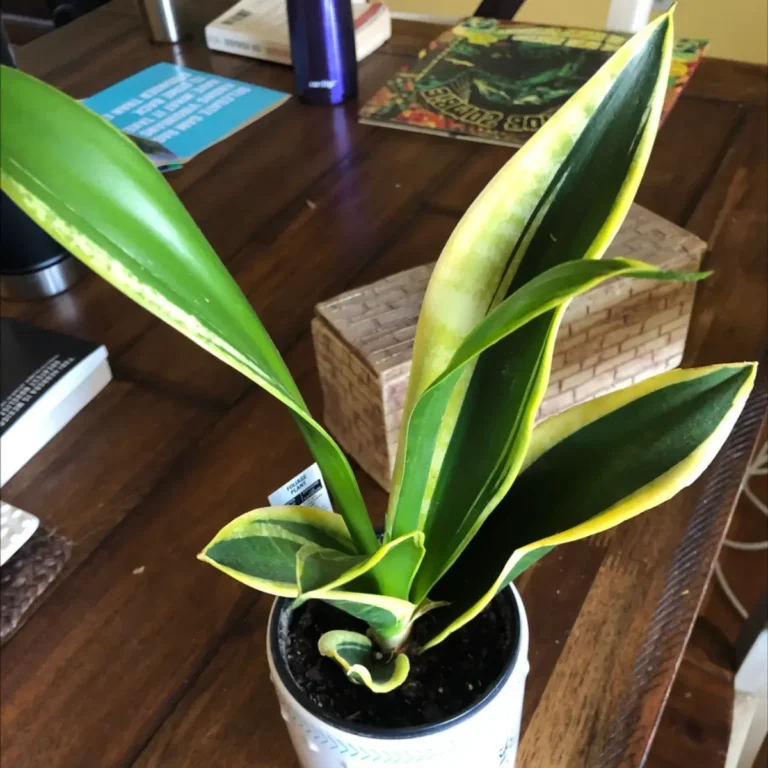
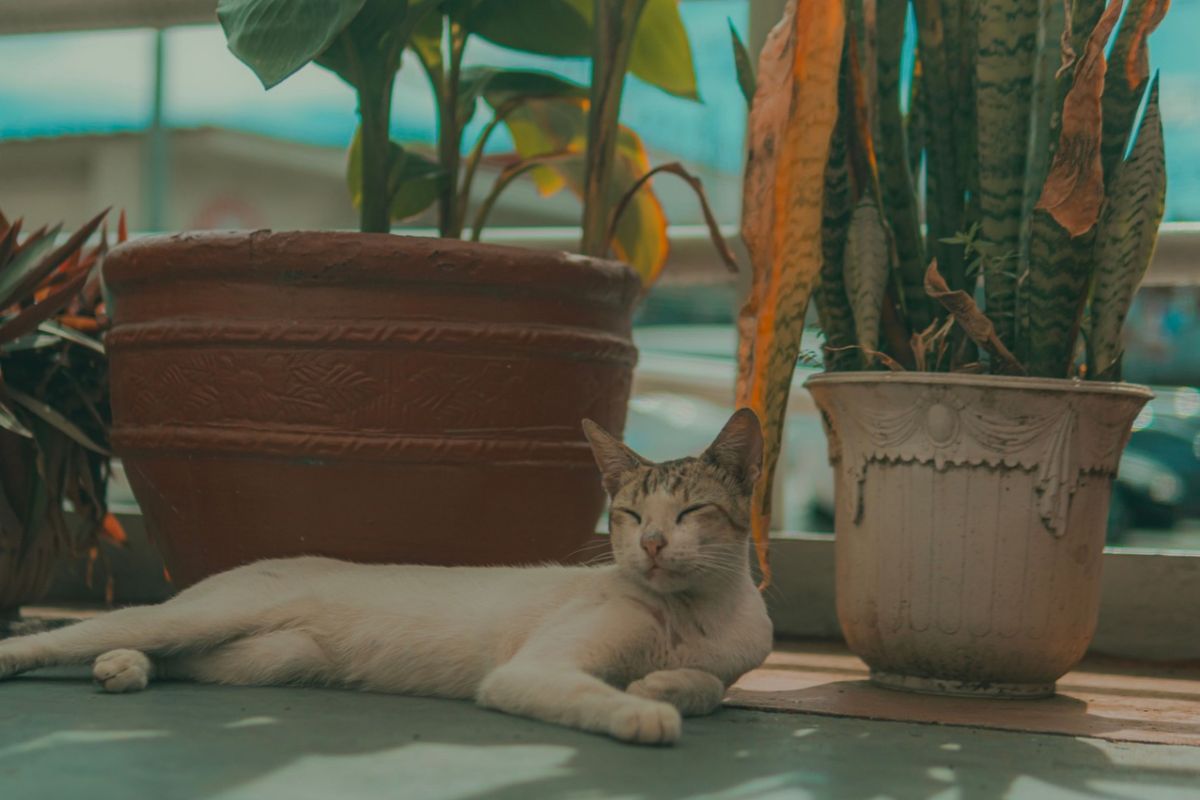
If you’ve ever watched your cat casually nibble a leaf off your snake plant, you’ve probably Googled the same question a thousand other pet owners have: are snake plants toxic for cats? The short answer is yes, but the full picture matters more than a one-word reply. Saponins, the natural compounds inside every snake plant, can cause mild to moderate poisoning if enough gets eaten.
According to the ASPCA Animal Poison Control Center, snake plants (Sansevieria trifasciata) are listed as toxic to cats due to these saponins. The good news is that severe outcomes are rare, most cats recover with prompt care.
et’s walk through what you actually need to know, from the first nibble to keeping your home safe for both your greenery and your feline friend.
Quick Answer
Yes, snake plants are toxic to cats. The leaves contain saponins. Ingesting even small pieces can cause vomiting or drooling.
Severe poisoning is uncommon. Call your vet or Pet Poison Helpline if your cat eats any part of the plant.
Why It Matters: Saponins and How They Affect Your Cat
Saponins are soap-like compounds found in many plants. They act as a natural defense mechanism. In cats, these substances irritate the mouth, throat, and digestive tract.
The irritation triggers nausea, excessive saliva, and vomiting, often within an hour of ingestion.
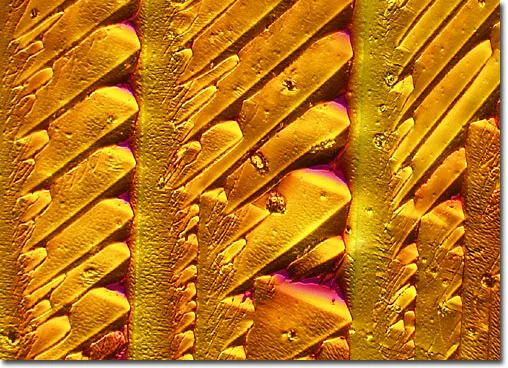
Image source: Bing (Web (fair-use with source credit))
Most cats don’t eat much of a snake plant because the bitter taste and immediate discomfort discourage them. But kittens, curious chewers, or cats without access to grass may take larger bites. The severity depends on the amount swallowed and the cat’s size.
A small nibble might cause mild drooling that passes in a few hours. A chunk of a leaf can lead to repeated vomiting and dehydration.
The saponins aren’t absorbed well through the gut, which limits systemic toxicity. That’s why fatal poisoning is extremely rare. Still, the gastrointestinal distress alone can be frightening for both you and your cat.
Prompt supportive care from a vet, fluids, anti-nausea medication, usually resolves symptoms within 12 to 24 hours.
Signs Your Cat May Have Ingested a Snake Plant
You might not catch the actual bite. Cats are sneaky. So it helps to know the symptoms that follow.
Look for these within two hours of ingestion:
- Excessive drooling or foaming at the mouth
- Pawing at the mouth (sign of oral irritation)
- Vomiting, sometimes multiple episodes
- Diarrhea in some cases
- Lethargy or hiding
- Decreased appetite
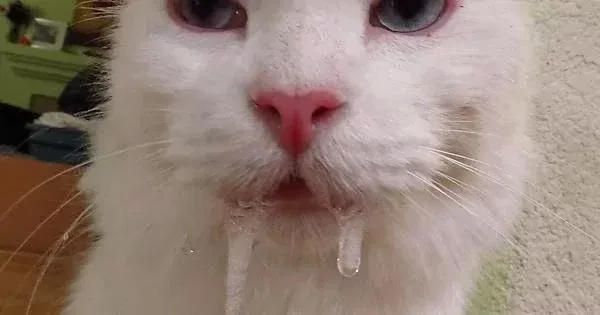
Image source: Web (Bing) / hiddenbrookveterinary.com (Web image (fair-use with source credit))
If you see any combination of these and you own a snake plant, suspect ingestion. Check the plant for bite marks. Torn leaf edges or missing tips are a strong clue.
Keep in mind that symptoms can mimic hairballs or a mild stomach bug. The key differentiator is timing, symptoms appear shortly after the cat had access to the plant.
Aggregate reports from veterinary toxicology databases indicate that vomiting is the most common symptom, occurring in about 70% of confirmed snake plant ingestions. Drooling is next. Severe reactions like tremors or difficulty breathing are very rare and usually involve other factors.
Read Also: Are Snake Plants Toxic to Dogs
What to Do If Your Cat Eats a Snake Plant – Step-by-Step Guide
Stay calm. Panic doesn’t help, but quick action does. Follow this order:
- Remove the plant, Take away any remaining pieces from your cat’s mouth and the floor. Check if any large chunks are missing.
- Identify the plant, Snap a photo of the leaf or keep a sample. Your vet will want confirmation.
- Call your veterinarian, Describe what happened, how much you think was eaten, and any symptoms you see right now.
- Do not induce vomiting unless your vet specifically tells you to. Forcing vomiting can cause more irritation or aspiration.
- Watch your cat closely for the next 4 to 6 hours. Note any changes in behavior, appetite, or bathroom habits.
- Contact a poison helpline if your regular vet isn’t available, the Pet Poison Helpline ($75 fee) and ASPCA Animal Poison Control ($95 fee) are both staffed 24/7 and can guide you.
If your cat is vomiting repeatedly, becomes lethargic, or stops eating for more than 12 hours, head to an emergency vet. Dehydration is the main risk. Supportive care like subcutaneous fluids and antiemetics will help your cat recover.
You can also check the ASPCA’s official list of toxic plants for cats at aspca.org/pet-care/animal-poison-control to verify the plant’s identity.
How to Keep Your Cat Safe Without Getting Rid of Your Plant
You don’t have to choose between your snake plant and your cat. With a few adjustments, you can keep both. Here’s how:
- Elevate the plant, Place it on a high shelf or in a hanging basket your cat can’t reach. Cats are climbers, so make sure the spot is truly inaccessible, not just a table they can jump onto.
- Use a terrarium, A closed glass terrarium keeps the plant visible but out of reach. It also adds humidity, which snake plants don’t mind as long as drainage is good.
- Apply a taste deterrent, Bitter apple spray or citrus-scented repellent on the leaves can discourage nibbling. Test a small area first to avoid plant damage.
- Provide an alternative, Offer cat grass (wheatgrass, oat grass) or catnip in a separate pot. Many cats chew grass to settle their stomachs. Giving them their own safe plant reduces interest in yours.
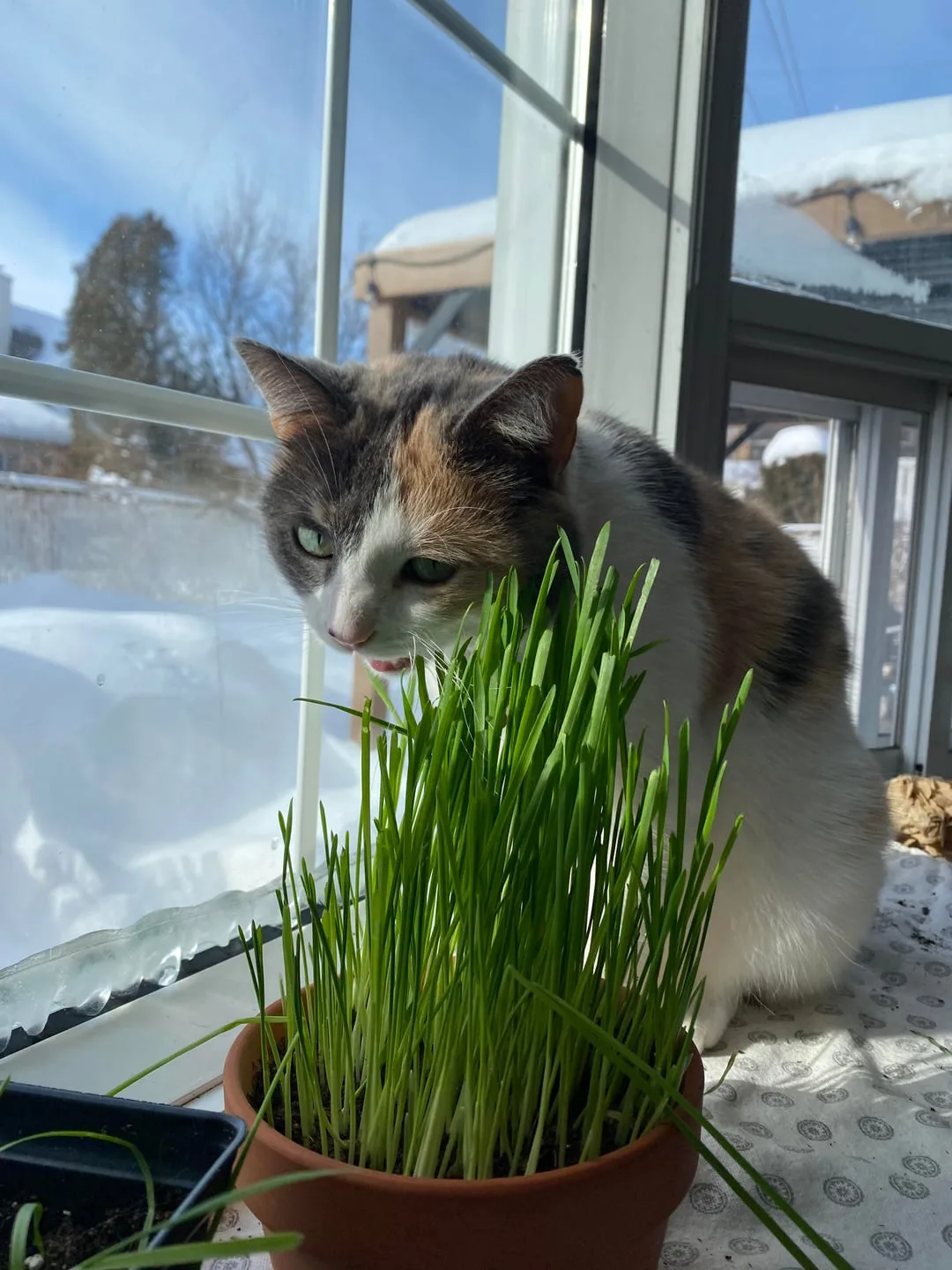
Image source: Web (Bing) / reddit.com (Web image (fair-use with source credit))
- Monitor behavior, If your cat seems bored or stressed, chewing plants can be a symptom. Increase playtime, add scratching posts, or rotate toys to reduce the urge.
As of 2026, snake plants remain one of the most popular houseplants worldwide, partly because they’re nearly impossible to kill. That doesn’t mean they’re a good fit for every home with a cat. But if you’re careful with placement and provide safe alternatives, you can enjoy their sculptural leaves without constant worry.
Common Mistakes Cat Owners Make (and What to Do Instead)
Even well-intentioned cat owners slip up. Let’s look at the most frequent missteps and how to avoid them.
Mistake 1: Waiting to See If Symptoms Get Worse
You see your cat nibble a leaf. She seems fine. So you wait.
Hours pass. Vomiting starts at 2 a.m. Now you’re scrambling.
Do this instead: Call your vet immediately, even if symptoms aren’t visible. The earlier you act, the easier it is to manage. A quick check-in can prevent overnight emergencies.
Mistake 2: Inducing Vomiting Without Vet Approval
You’ve heard that making a cat throw up helps. But forcing vomiting with salt water or hydrogen peroxide can damage the throat or cause aspiration pneumonia.
Do this instead: Never induce vomiting unless your veterinarian instructs you to. They know your cat’s weight and health history. Let them decide the safest approach.
Mistake 3: Assuming “Mildly Toxic” Means No Risk
Some sources say snake plants are only mildly toxic. That’s true compared to lilies or sago palms. But “mild” still means vomiting, drooling, and dehydration.
A 6-pound kitten can’t handle the same amount as a 12-pound adult.
Do this instead: Take any ingestion seriously, regardless of how mild the toxicity label sounds. Size and sensitivity matter more than the label.
Mistake 4: Placing the Plant on a Tall Table
You think a tall shelf is safe. Cats are exceptional jumpers. Many can easily reach a 5-foot surface, especially if they have a launching point nearby.
Do this instead: Use hanging baskets with ceiling hooks away from furniture, or closed terrariums. Test the spot yourself: if you can reach it from a nearby table, your cat can too.
Mistake 5: Ignoring the Cat’s Behavior After a Single Episode
Your cat vomits once, then seems fine. You clean up and move on. But internal irritation can persist for hours.
Dehydration can set in slowly.
Do this instead: Watch for at least 24 hours. Monitor appetite, water intake, and bathroom habits. A cat that stops eating or drinking needs veterinary attention, even if vomiting has stopped.
FAQs About Snake Plants and Cats
How much snake plant is dangerous for my cat?
Amount matters, but there’s no exact toxic dose per pound. A single leaf tip can cause mild symptoms in some cats. A larger chunk can trigger vomiting and diarrhea.
Kittens and senior cats are more vulnerable. Always err on the side of caution.
Are all snake plant varieties equally toxic?
Yes. All varieties of Sansevieria (now classified as Dracaena trifasciata) contain saponins. This includes popular types like Laurentii, Hahnii, Moonshine, and Black Coral.
The toxicity level does not vary significantly between cultivars.
Can my cat die from eating a snake plant?
Fatal poisoning is extremely rare. Most cats recover fully with supportive care. Death would require a very large amount eaten, plus no treatment.
Still, dehydration from repeated vomiting can become serious. Prompt veterinary care eliminates nearly all risk.
How long after eating does a cat show symptoms?
Symptoms usually appear within 30 minutes to 2 hours. Drooling often comes first, then vomiting. If no symptoms show after 6 hours, the cat likely ingested too little to cause problems.
But continue monitoring for 24 hours.
Are snake plants toxic to dogs too?
Yes. Dogs can also react to saponins with vomiting and drooling. But dogs are generally larger and less prone to nibbling than cats.
The advice is the same: call your vet if your dog eats any part of the plant.
What can I safely grow instead of a snake plant?
Plenty of cat-safe plants look similar. Try a parlor palm, Boston fern, or Calathea. For a similar upright shape, consider a cat-safe succulent like Haworthia (zebra cactus) or Echeveria.
Spider plants are also safe and easy to grow.
Final Verdict: Balancing Safety and Your Love for Houseplants
Snake plants are not a perfect fit for every cat household. But they aren’t an automatic deal breaker either. With smart placement, taste deterrents, and a healthy dose of vigilance, you can keep both your greenery and your feline safe.
Here’s the bottom line:
- Know the risk. Yes, they’re toxic. But mostly mild. No need to panic.
- Act fast. If ingestion happens, call your vet and follow the steps.
- Prevent first. Elevation and cat grass are your best tools.
If you decide a snake plant isn’t worth the worry, that’s a valid choice. Swap it for a parlor palm or a spider plant. Your home will still look great, and your cat will thank you.
But if you love your snake plant and can commit to keeping it out of reach, go ahead. Thousands of cat owners do it successfully every day. You just need to be the responsible one in the relationship.