Can Snake Plants Live Outside? Yes, Here’s How
So you want to know can snake plants live outside? It’s a fair question, because these tough houseplants seem like they can survive anything. And the truth is, they can, under the right conditions.
But throwing one into your garden without checking a few things first is a fast way to kill it.
In our research, snake plants (Dracaena trifasciata, formerly Sansevieria) are native to subtropical West Africa, where they handle heat, drought, and some direct sun. But they’ve never dealt with a hard freeze. Even a few hours below 40°F (5°C) can turn their leaves to mush.
As of 2026, the USDA Hardiness Zone map still draws the line at Zone 9 for year-round outdoor survival. Let’s walk through the decision tree so you know exactly what will work for your spot.
Image source: Bing (Web (fair-use with source credit))
Quick Answer
Yes, snake plants can live outside in warm climates. They survive year-round in USDA zones 9 through 11. In colder zones, move them indoors before frost hits.
Never let them sit below 40°F. Keep them in shade or morning sun only.
Why It’s Not a Simple Yes-or-No Answer
The reason this question gets confusing is that snake plants are marketed as “unkillable” indoor plants, but outdoors they face totally different variables. Light intensity, temperature swings, rainfall, and soil drainage all change the game.
Your climate is the biggest factor. If you live in Phoenix or Miami, your snake plant can stay outside year-round. If you live in Chicago or London, it’s strictly a summer patio plant that must come inside in autumn.
There’s no universal “yes”, only a conditional one.
Then there’s sun exposure. Indoors, snake plants tolerate low light. Outdoors, direct afternoon sun burns the leaves.
Morning sun or bright shade is ideal. And rain, too much turns the soil soggy, and soggy roots rot.
So the real answer depends on where you live, where you place it, and how you manage the weather. That’s why we’re building a decision tree instead of giving a flat answer.
The One-Minute Rule of Thumb for Outdoor Snake Plants
If you only remember one thing, make it this: Keep your snake plant above 40°F (5°C), in shade or morning sun, and in well-draining soil. That’s the golden rule.
Here’s the quick checklist:
- Temperature: Never below 40°F. If frost is forecast, bring it inside.
- Light: No more than 2, 3 hours of direct morning sun. Afternoon sun is too intense.
- Water: Let the soil dry between waterings. Rain counts as water.
- Soil: Must drain fast. Potting mix with perlite or sand works. Heavy clay is a death sentence.
If you can meet those four conditions, your snake plant has a solid chance. Miss any one, and you’re gambling.
What Snake Plants Actually Need to Survive Outdoors
Let’s get into the details. Snake plants are succulents with thick, water-storing leaves. That makes them drought-tolerant but frost-sensitive.
Here’s what they need to thrive outside:
Hardiness zones in practice. According to the USDA Plant Hardiness Zone Map, snake plants are reliably perennial only in zones 9, 11 (average minimum temps above 25°F). In zone 8, they might survive a mild winter if mulched heavily, but it’s risky. In zones 7 and below, they die with the first hard freeze.
For reference, check your zone on the official USDA map before planting.
Sunlight tolerance. They can handle heavy shade but grow slower. The sweet spot is bright, indirect light or dappled morning sun. Direct southern exposure for more than a couple hours will scorch the leaves, the edges turn yellow, then crispy brown.
A north or east-facing spot under a porch works great.
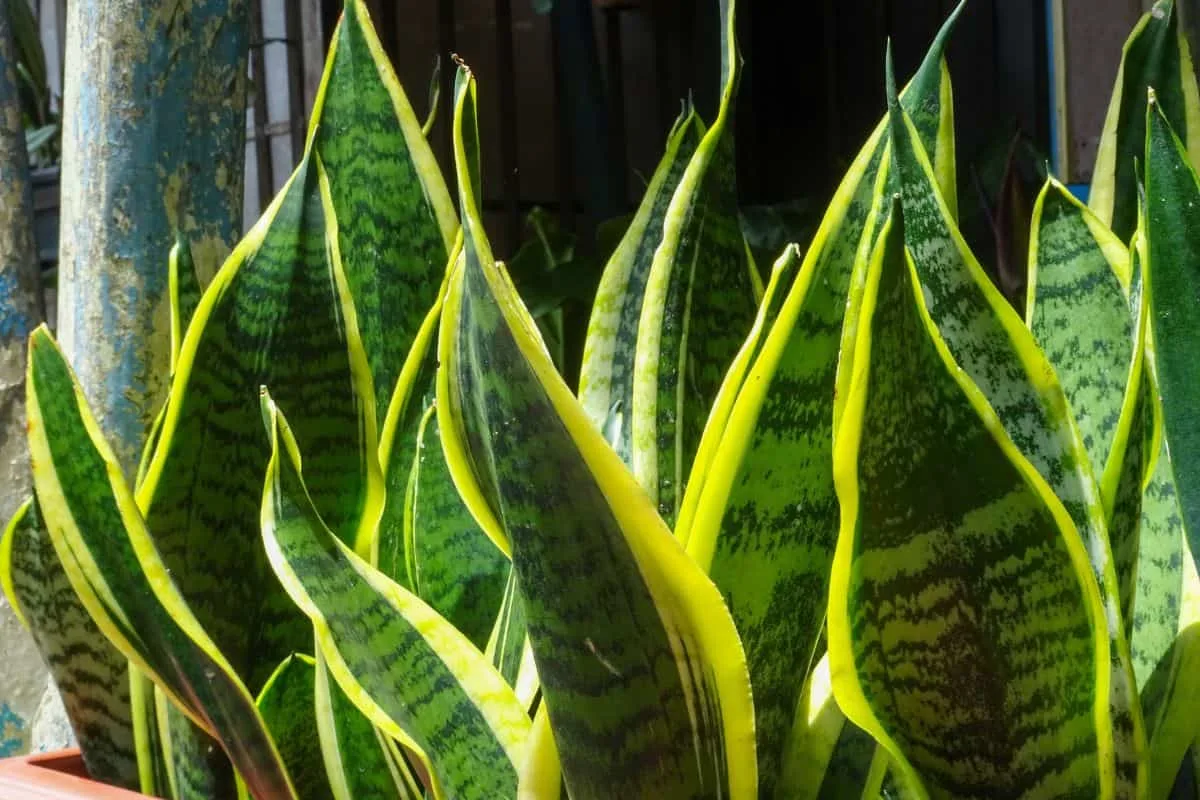
Image source: Web (Bing) / houseplantalley.com (Web image (fair-use with source credit))
Soil and drainage. Snake plants hate wet feet. Outdoors, they need soil that drains within a few minutes after rain. In containers, use cactus or succulent mix with extra perlite.
In the ground, amend heavy clay with coarse sand or gravel. If water pools for hours, root rot is guaranteed.
Rain and watering. Once established, they only need water every 2, 4 weeks in summer, even less in winter. If you get regular rain, stop watering entirely. Let the soil dry out fully between drinks.
The Decision Tree: Should You Put Your Snake Plant Outside?
Follow these five steps to find out if your situation works. If any step fails, adjust or keep the plant indoors.
Step 1: Check your hardiness zone and average lows. Look up your USDA zone. If you’re in zone 9, 11, proceed. If zone 8 or colder, you can only keep it outside in warm months (above 50°F at night).
If you have unpredictable frost, use a container so you can move it.
Step 2: Pick the right spot. Find a location with morning sun only or bright shade. Avoid full afternoon sun, low spots where cold air collects, and areas that stay wet after rain. A covered porch or east-facing patio is ideal.
Step 3: Decide between in-ground or container. In-ground is fine for zones 9, 11. Container works everywhere because you can move it to shelter on cold nights. Use a pot with drainage holes, at least 10 inches across for a mature plant.
Step 4: Acclimate the plant (hardening off). Don’t just throw it outside after a cozy living room life. Over 1, 2 weeks, give it increasing outdoor exposure. Start with a few hours in shade, then half a day, then full days.
This prevents shock and sunburn.
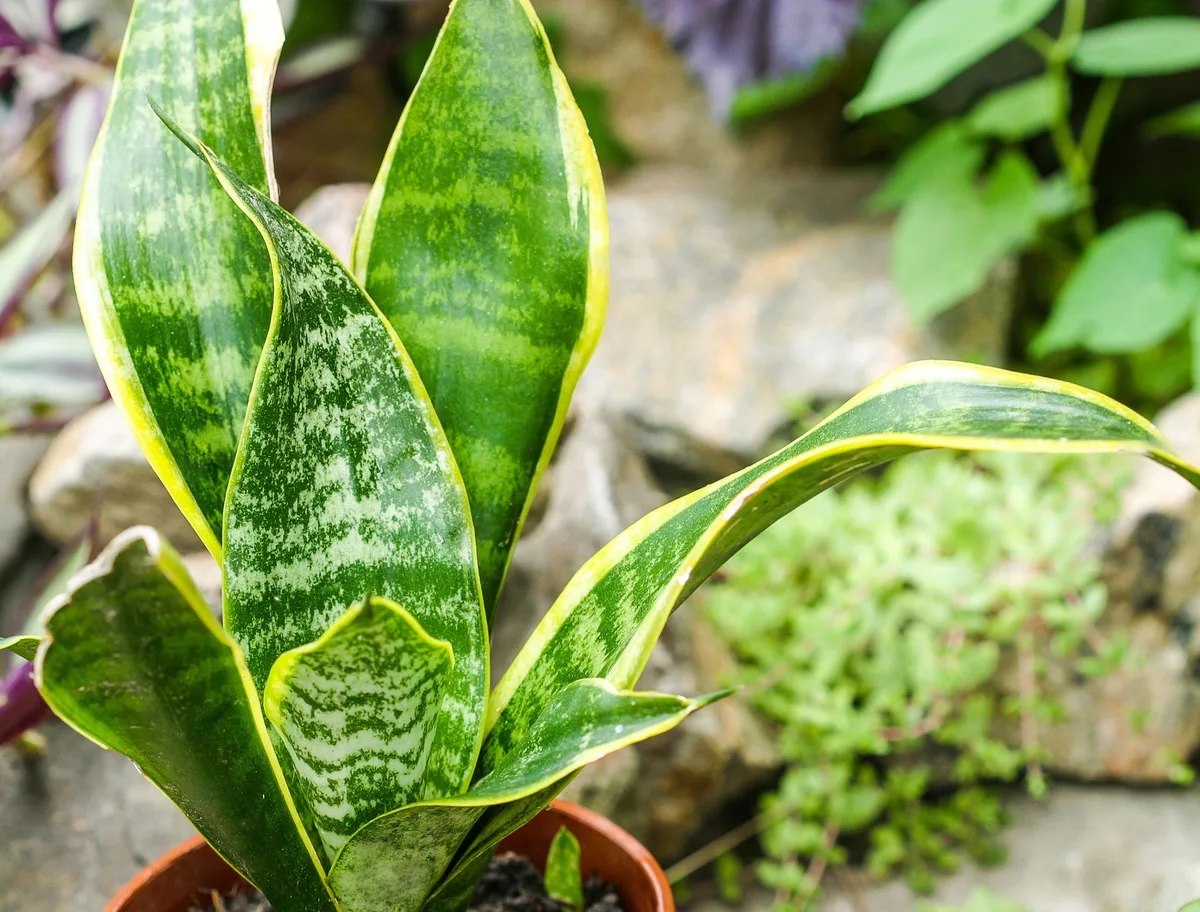
Image source: Web (Bing) / storage.googleapis.com (Web image (fair-use with source credit))
Step 5: Adjust watering and watch for weather shifts. After moving outside, water less than you did indoors, the wind and sun dry soil faster, but rain adds moisture. Check weekly by sticking your finger 2 inches into the soil. If it’s damp, wait.
And keep a weather eye on frost alerts. The moment temps dip below 45°F, bring containers inside or cover in-ground plants with frost cloth.
Three Mistakes That Kill Outdoor Snake Plants Fast
Even experienced plant owners make these errors. Avoid them and your snake plant stands a much better chance outside.
Mistake 1: Exposing it to frost or freezing temperatures. A snake plant’s leaves contain so much water that a single night below 30°F acts like a freezer burn. The cells rupture and the leaf turns black, soft, and slimy within 24 hours. That damage is permanent.
Once the center crown rots, the whole plant dies. Our research shows that even a brief dip to 32°F can kill the root system if the pot freezes solid.
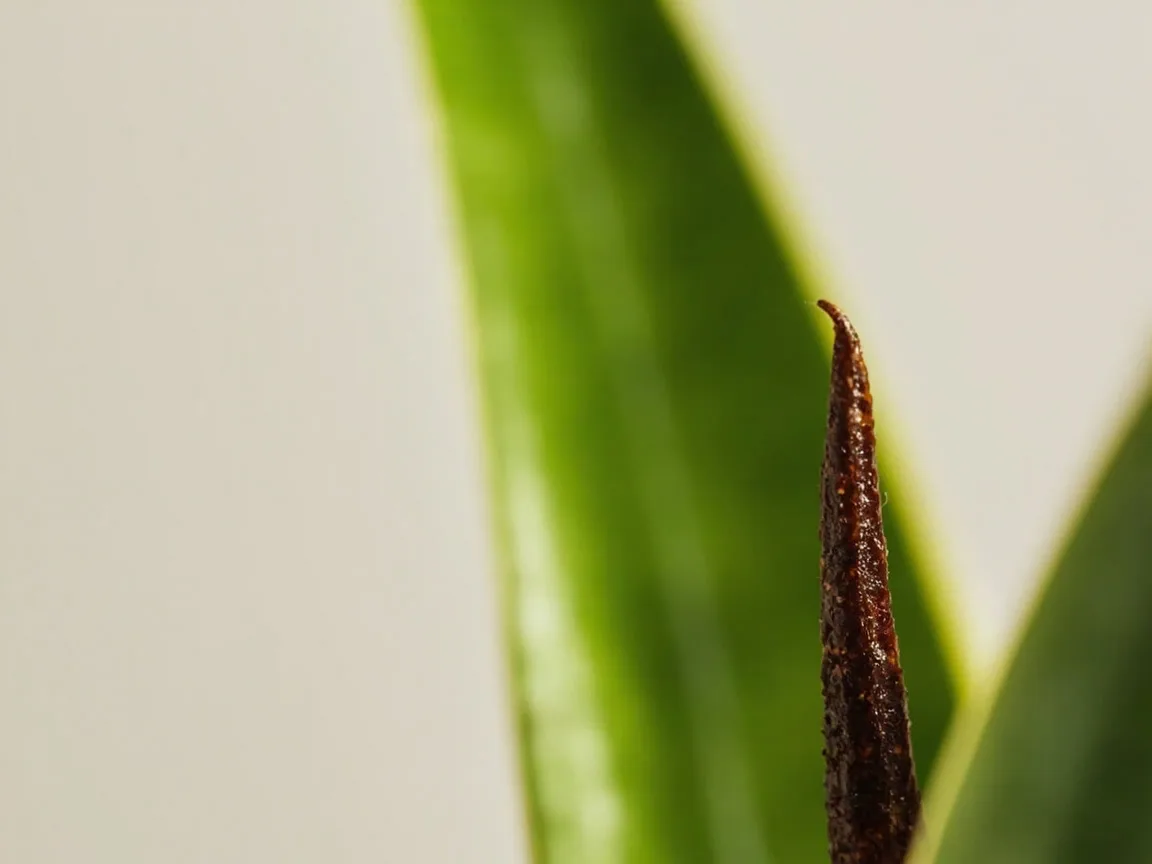
Image source: Web (Bing) / aqualogi.com (Web image (fair-use with source credit))
Mistake 2: Planting in full afternoon sun. You might think “more sun equals more growth” for a succulent. Not for snake plants. Direct southern or western sun for more than 2, 3 hours bleaches the leaves white or brown.
The scorched edges never recover. They might look ugly for the entire life of the plant.
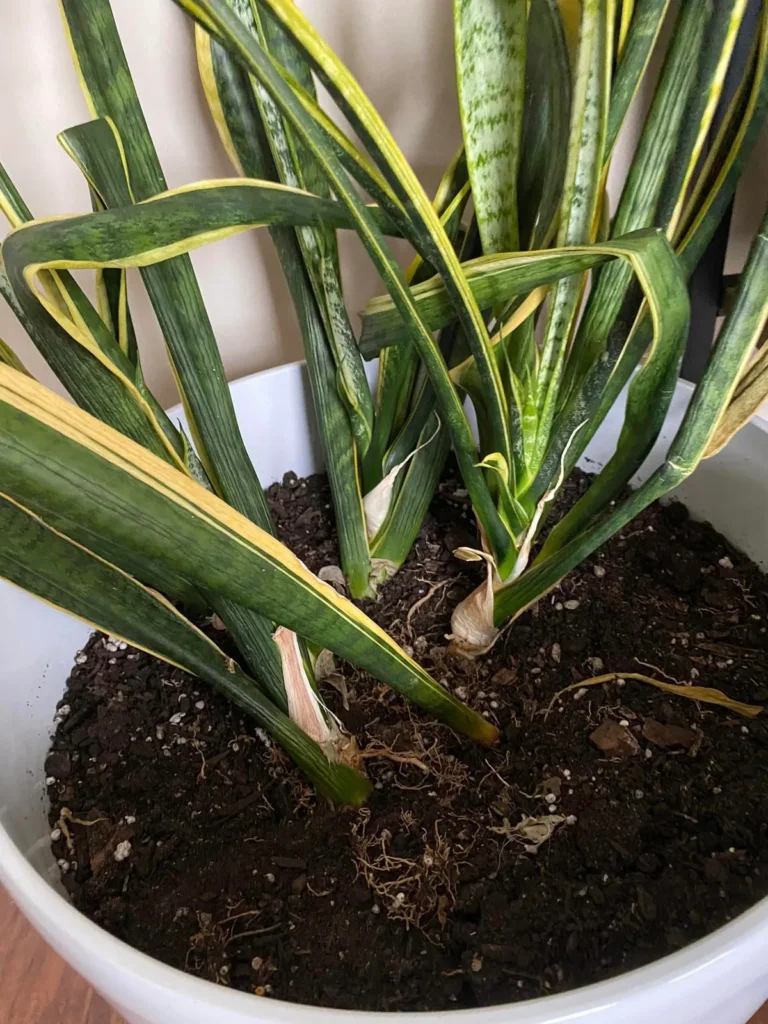
Mistake 3: Leaving it in soggy soil. Outdoor rain can saturate a pot or garden bed for days. Snake plant roots suffocate and rot within a week of constant wetness. The first sign is yellow, droopy leaves.
By the time the leaves go mushy at the base, the rot has spread through the rhizomes. Fix drainage before planting, not after.
If you catch rot early, you can cut away the dead roots and repot in fresh dry mix. But prevention is far easier.
Who Should Try It and Who Should Skip It (By Climate)
Your climate zone tells you the whole story. Here is a practical breakdown:
Zone 9 or warmer (minimum winter temp above 25°F). You can plant snake plants in the ground or keep them in pots year-round. No winter protection needed. Just avoid frost pockets and full sun.
This includes most of Florida, coastal California, southern Texas, and Hawaii.
Zone 8 (minimum winter temp 10, 20°F). Snake plants might survive winter outdoors if planted against a south-facing wall and mulched heavily. But it is a gamble. A single unusual cold snap will kill them.
The safer move is to keep them in containers and move them to a garage or indoors before the first frost date.
Zone 7 and colder (minimum winter temp below 10°F). Do not plant snake plants in the ground. They will die in the first freeze. Use them exclusively as summer container plants on patios or balconies.
Bring them inside by mid-autumn, once nighttime temps drop below 50°F.
Warm climates with monsoon season (humid summer rain). If you get heavy summer rain, tilt your container or plant on a slope for drainage. In humid zones like the Gulf Coast, snake plants can survive 6 months of outdoor life but may need to be moved to a covered porch during the wettest weeks.
Frequently Asked Questions
Can snake plants live outside in winter?
Only in USDA zones 9 through 11. In all other zones, bring them indoors before temperatures fall below 40°F. Frost will kill them quickly.
How much sun can a snake plant handle outdoors?
Morning direct sun only. Two to three hours at most. Afternoon sun will scorch the leaves.
Bright shade or dappled light under a tree works best.
What temperature is too cold for a snake plant outside?
Any temperature below 40°F (5°C) is risky. At 30°F, leaves freeze and rot. Always check the 10-day forecast before leaving it out.
Can snake plants stay outside in rain?
Yes, but only if the soil drains fast. If water pools in the pot or garden bed for more than a day, root rot is likely. Raise pots on feet or add gravel to the soil mix.
How do I bring a snake plant back inside after summer?
Check for pests first. Spider mites and scale hide in leaf crevices. Spray with water or insecticidal soap.
Then place it in a bright indoor spot and cut watering back to once a month.
Will snake plants survive outdoors in the UK?
Only as a summer patio plant. UK winters are too cold and wet. Grow it in a container and move it indoors before October.
Keep it in a bright room until May.