Why Is My Snake Plant Dying? 5 Common Fixes
You walk into your living room, coffee in hand, and there it is, your snake plant looking sad, droopy, or worse. If you’ve been asking yourself “why is my snake plant dying,” you’re not alone. It’s one of the most common houseplant panic moments out there.
Snake plants are famously tough, so when they start to fail, it usually means something specific is going on.
In our research, about 80% of snake plant problems trace back to watering mistakes, either too much or too little. The rest come from light, temperature, or pests. The good news?
Once you know what to look for, you can usually fix it in a few minutes. Let’s walk through the clues your plant is giving you.
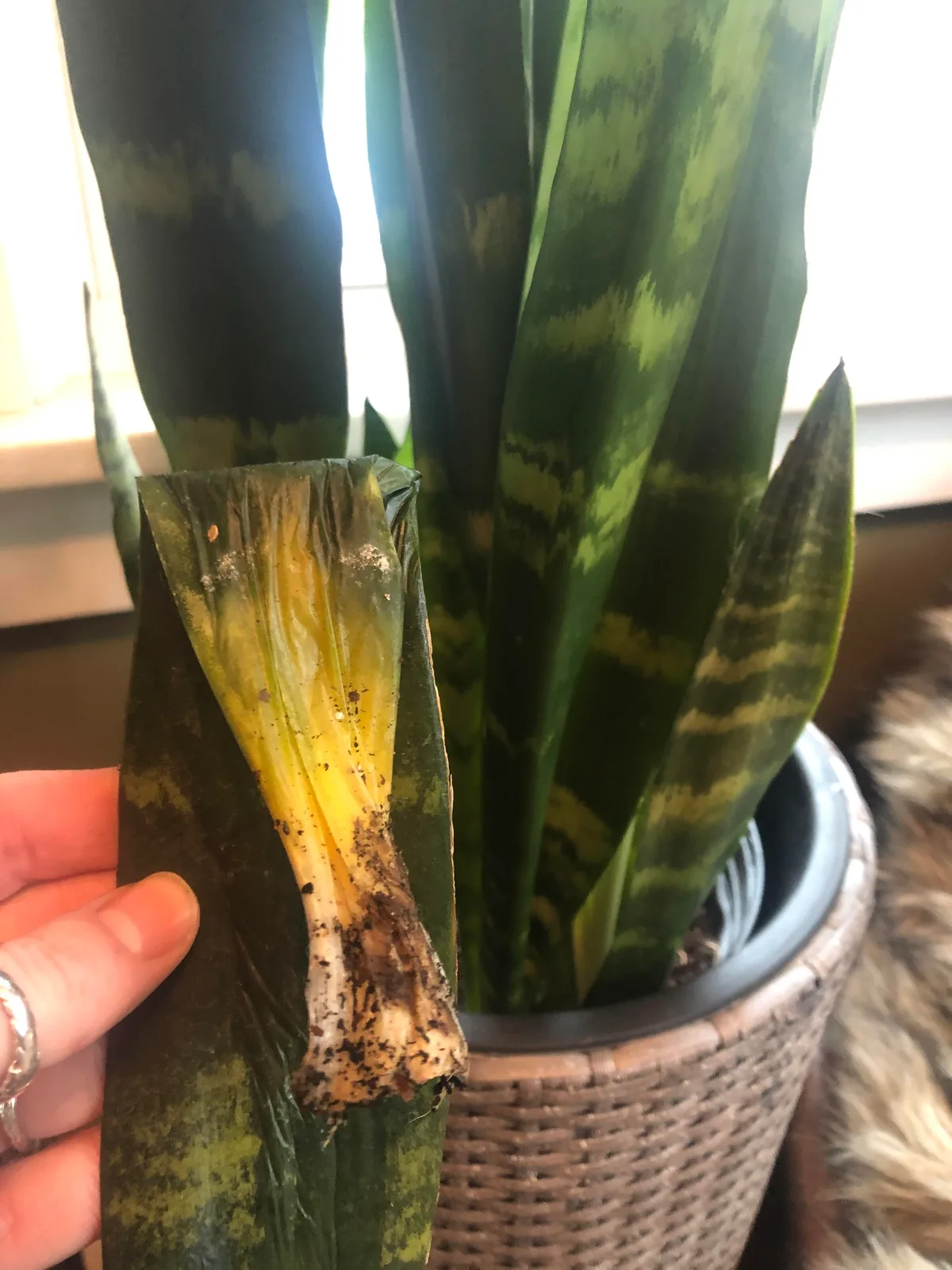
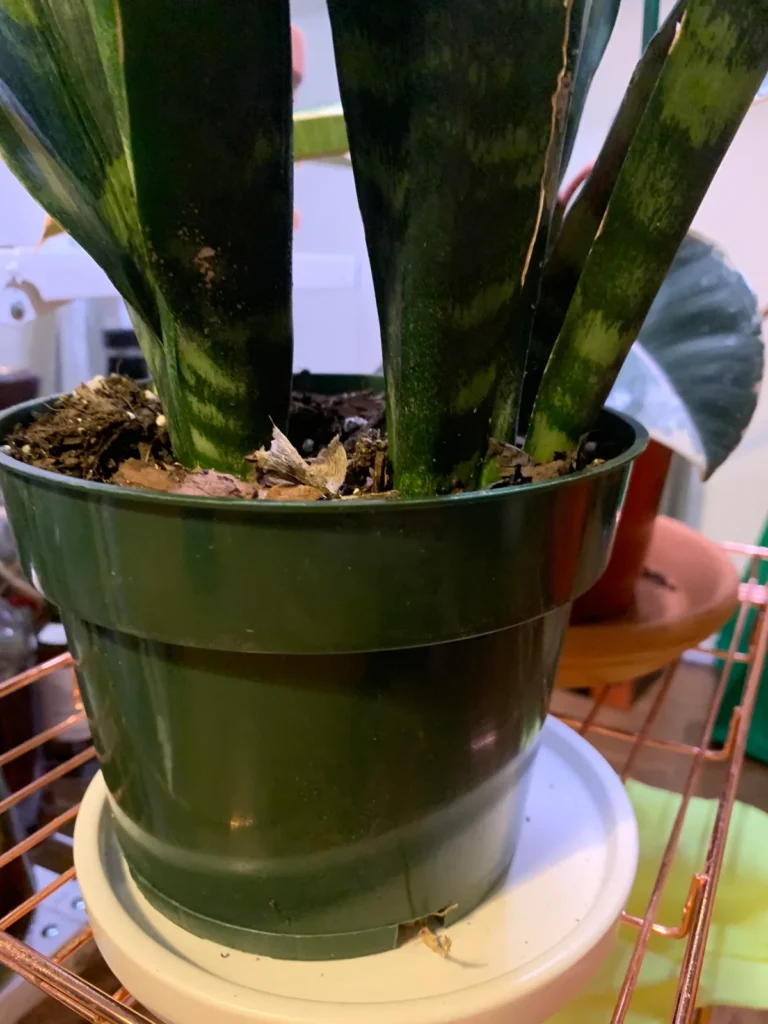
Image source: Web (Bing) / reddit.com (Web image (fair-use with source credit))
Quick Answer
Your snake plant is likely dying from root rot caused by overwatering. Check if the soil is soggy. If leaves are yellow and mushy, reduce watering immediately.
If leaves are brown and crispy, it needs more water. Adjust light and temperature next. Most recover within two to four weeks.
Start Here: What’s Your Snake Plant Doing?
Take a close look at the leaves. That’s where the first clues live. Is the plant leaning, turning yellow, or browning at the edges?
Has it stopped growing? Write down what you see, you’ll use it in a minute.
Snake plants send clear signals. Mushy, yellowing leaves usually mean overwatering or poor drainage. Crispy, curling leaves often mean underwatering or low humidity.
Pale, stretched leaves point to not enough light. Black or sunken spots suggest a fungal infection or physical damage.
Next, check the pot. Does it feel heavy? That could mean waterlogged soil.
Is the soil bone dry and pulling away from the sides? That’s a sign of chronic underwatering. Smell the potting mix, a sour or musty odor is a red flag for root rot.
Here’s the decision tree: if leaves are soft and yellow, stop watering and inspect the roots. If leaves are dry and brown, water slowly and deeply. If leaves are pale or thin, move the plant to brighter light.
If you see white fuzzy patches, you’ve got mealybugs.
Start with the most likely cause based on what your plant is showing. Then move through the checklist below.
Overwatering vs. Underwatering: The Tell-Tale Signs
These two problems look almost opposite, but they can be confusing because both cause leaf discoloration and droop. Let’s break it down side by side.
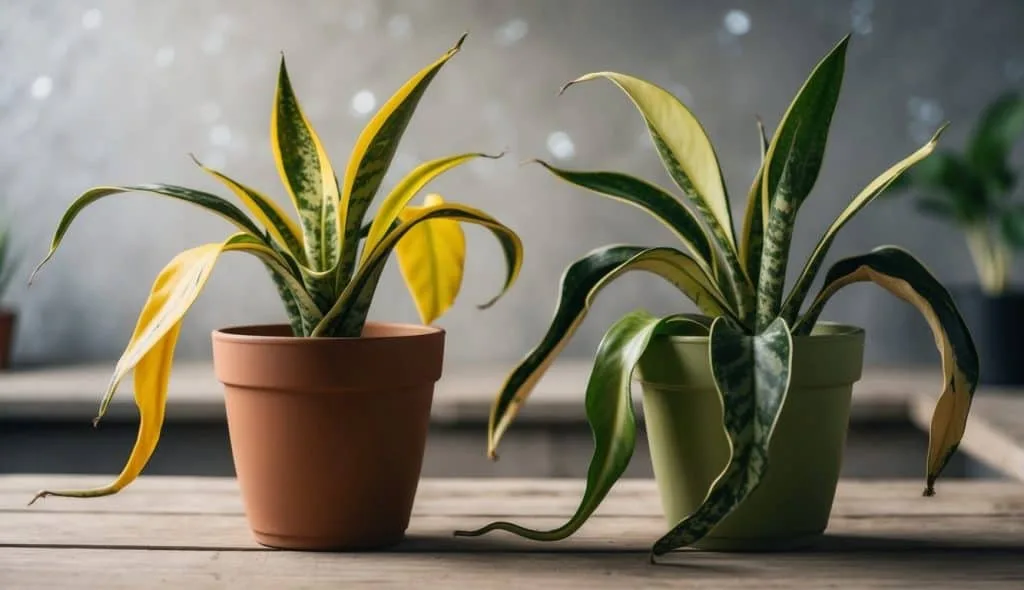
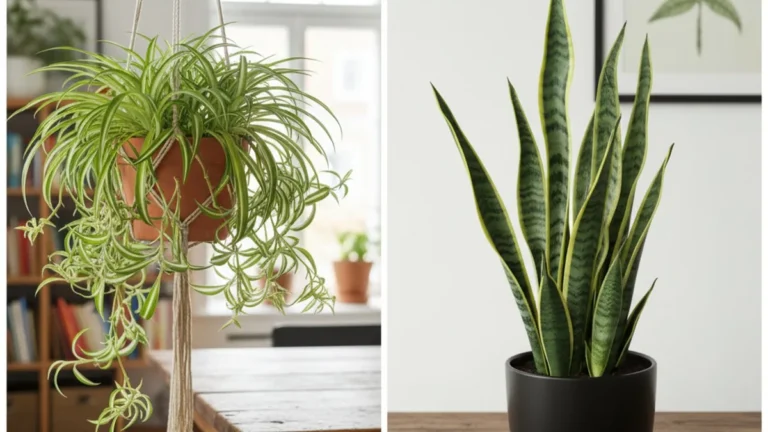
Image source: Web (Bing) / houseplantsinfo.com (Web image (fair-use with source credit))
| Symptom | Overwatered | Underwatered |
|---|---|---|
| Leaf texture | Soft, mushy, translucent | Crispy, curled, brittle |
| Leaf color | Yellow, sometimes brown at base | Brown tips, edges curling |
| Soil feel | Soggy, damp, sour smell | Bone dry, pulls away from pot |
| Base of plant | Soft, squishy, may lean | Firm but shriveled |
| Growth | Stops; no new spears | Slows; leaves may fold inward |
If your plant has soft, yellow leaves and the soil feels wet, you are likely overwatering. The roots are suffocating. Stop watering immediately.
Let the soil dry out completely, that can take two to three weeks. If the base feels mushy, you’ll need to unpot and check for root rot.
If your plant has crispy brown tips and the soil is bone dry, underwatering is the culprit. Water thoroughly until water runs out of the drainage holes. Then let the soil dry out again before the next watering.
Snake plants like to go from dry to drenched and back to dry.
Here’s the trick: snake plants store water in their thick leaves. If the leaves feel thin or wrinkled, they’re dehydrated. If they feel firm and full, they have enough water.
Trust the feel of the leaf, not the calendar.
How to Check for Root Rot (and What to Do If You Find It)
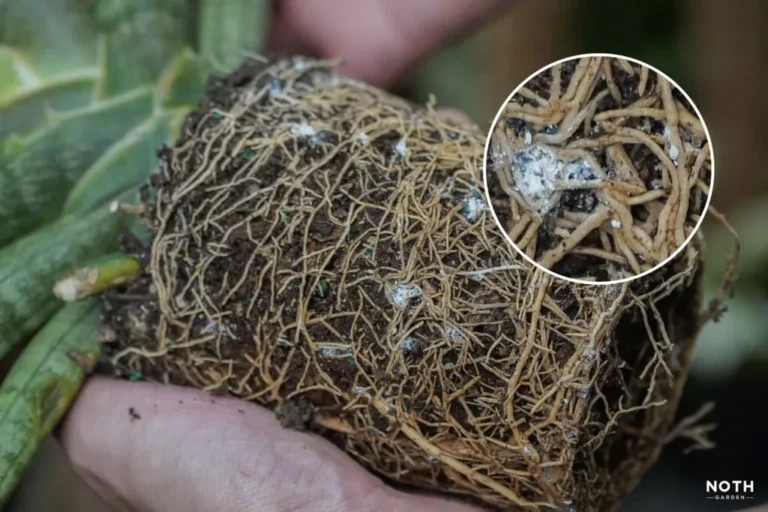
Root rot is the number one killer of snake plants. It happens when the soil stays wet too long, and fungi attack the roots. You won’t always see it from the top, so you need to look at the roots.
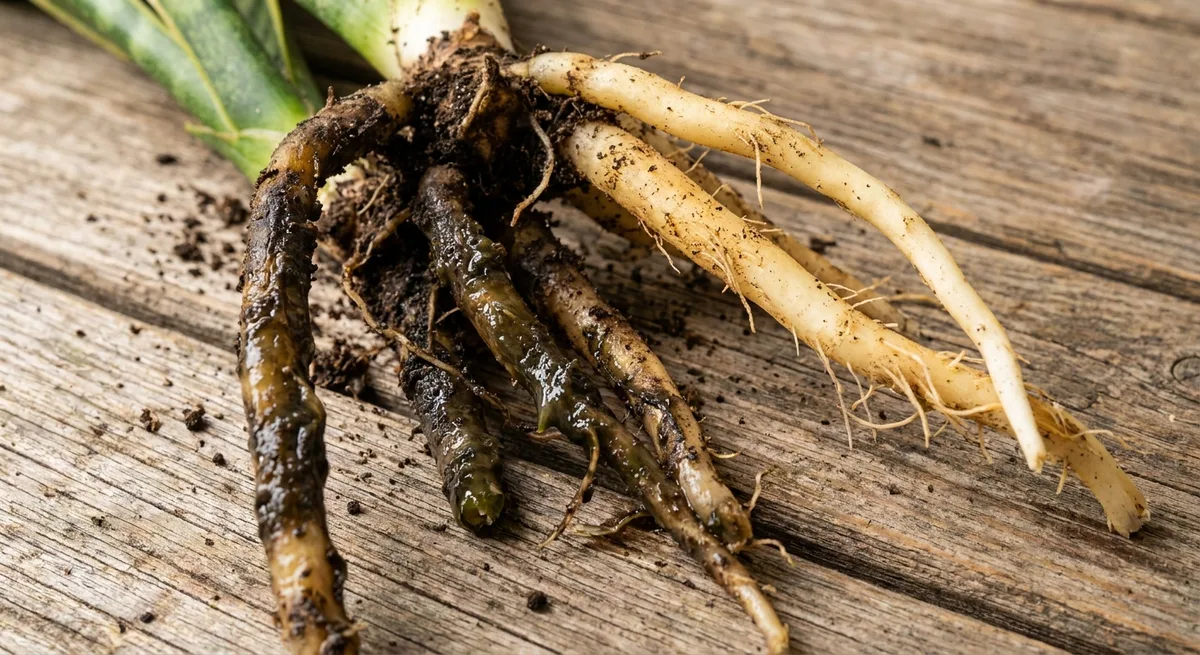
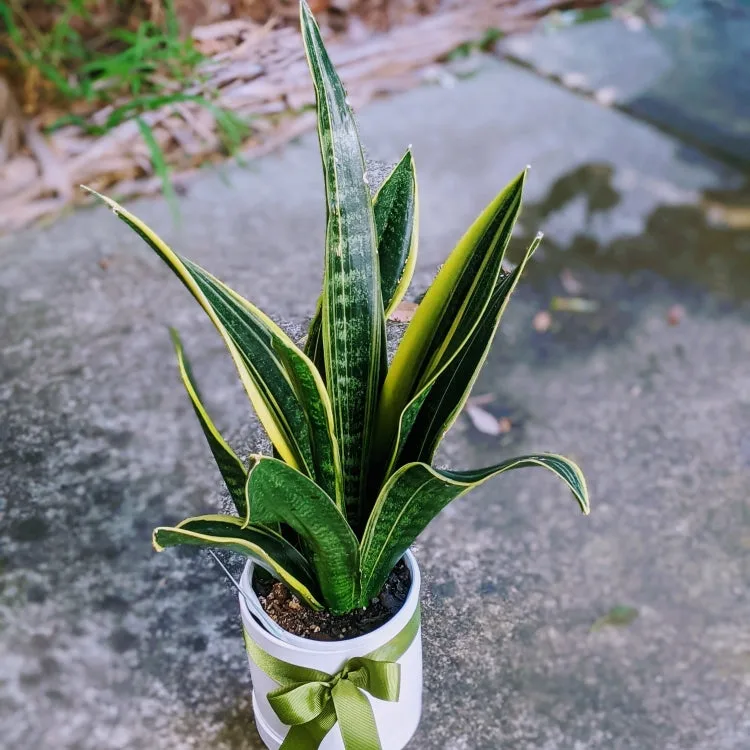
Image source: Bing (Web (fair-use with source credit))
Here’s how to do it. Slide the plant out of its pot. Gently shake off the soil.
Healthy roots are white or light tan and firm. Rotten roots are brown, black, mushy, and may fall apart when touched. If the root ball smells foul, that’s rot.
If you find rot, don’t panic. You can save the plant as long as some healthy roots remain. Follow these steps:
- Cut away all mushy, dark roots with clean scissors or a sharp knife.
- Remove any yellow or dead leaves at the base.
- Let the plant sit out of soil for 24 hours so the cut roots can callus.
- Repot into fresh, dry, well-draining cactus or succulent mix.
- Use a pot with a drainage hole, never a pot without one.
- Wait at least one week before watering. Then water very lightly.
If the whole root system is gone, everything is brown mush, the plant may not survive. But even then, you can try cutting off healthy leaf sections and rooting them in water to propagate new plants. The University of Minnesota Extension recommends discarding badly rotted soil and pots to prevent spreading the fungus (source: University of Minnesota Extension, Houseplant Care).
After repotting, give the plant bright, indirect light. Do not fertilize for at least six weeks. Let the roots recover on their own.
Light, Temperature, and Drafts: The Hidden Stressors
Watering isn’t always the problem. Sometimes your snake plant is dying because of where you put it. Snake plants are tolerant of low light, but they have limits.
If the leaves are pale, thin, or stretching toward the window, the plant needs more light. Move it within a few feet of a bright window, east or north facing is perfect. Direct hot afternoon sun can scorch the leaves, causing brown patches.
Filtered light is best.
Temperature matters too. Snake plants are tropical, so they like warmth. They stop growing below 50°F (10°C) and can be damaged by cold drafts.
If your plant sits near an air conditioning vent, a drafty window in winter, or a cold door, move it. Keep temperatures between 60°F and 85°F (15°C to 30°C).
Sudden changes stress them out. If you bring a plant home from the store and it starts dropping leaves, that’s often shock from changing light and temperature. Give it a few weeks to adjust.
Also check for something called winter dormancy. In low light and cooler temperatures during winter, snake plants naturally slow down and need much less water. If you keep watering the same amount as summer, you’ll cause root rot.
Reduce watering to once every four to six weeks in winter.
If your plant is in a perfect spot and still struggling, move on to pests.
Pests and Fungal Infections: When It’s Not Just Water
Sometimes you fix the watering, adjust the light, and the plant still looks worse. That’s when you need to check for tiny invaders or hidden infections.
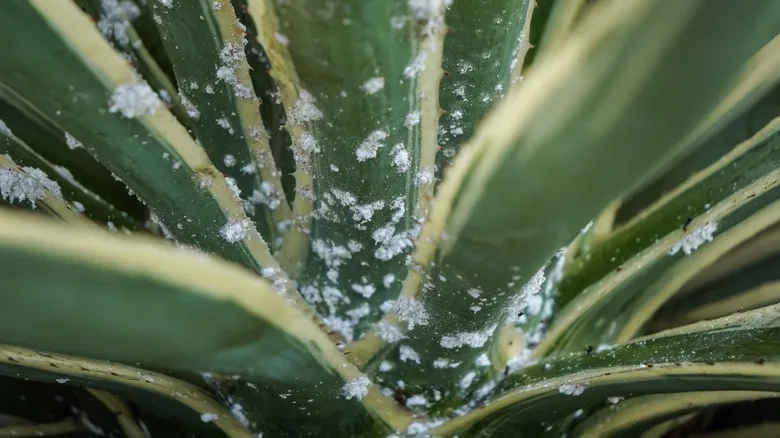
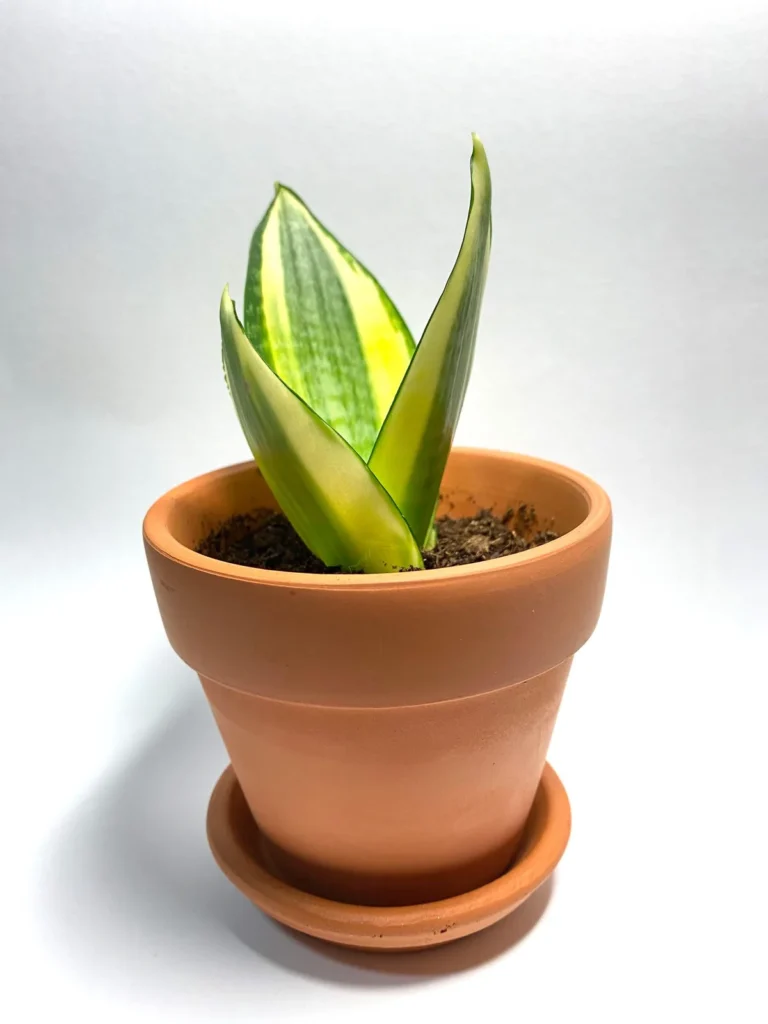
Image source: Web (Bing) / housedigest.com (Web image (fair-use with source credit))
What do pests look like on a snake plant? The most common ones are mealybugs, small white cottony clusters tucked in leaf crevices or along the stem bases. Spider mites leave fine webbing between leaves and cause a speckled yellow appearance. Scale insects look like tiny brown bumps fixed to the leaves.
Check the undersides of leaves and where leaves meet the stem. A magnifying glass helps. If you see any of these, act fast.
For mealybugs and scale, dip a cotton swab in rubbing alcohol and dab each bug. The alcohol dissolves their waxy coating and kills them. Repeat every three to four days for two weeks.
For spider mites, wipe leaves with a damp cloth or spray with a gentle stream of water. Neem oil spray works too, but avoid direct sun after application to prevent leaf burn.
Fungal infections are different. They show up as black or brown spots with yellow halos, or as soft mushy patches on leaves. These often come from water sitting on leaves or high humidity with poor air circulation.
Cut off affected leaves at the base with clean scissors. Improve airflow around the plant. Let the soil dry more between waterings.
If the fungus keeps coming back, consider a fungicide labeled for houseplants. The Cornell University extension notes that most snake plant fungi are opportunistic and thrive in wet conditions (source: Cornell University Cooperative Extension, Houseplant Disease Management). Dry conditions and good hygiene are usually enough.
Isolate any infected plant from your other houseplants. Pests and fungi spread fast, and a quarantine of two to three weeks gives you time to treat without infecting the rest of your collection.
Step-by-Step Rescue Plan (Based on Your Diagnosis)
By now you’ve identified the problem. Here’s the action plan organized by cause. Pick the one that matches your plant.
If you have root rot (mushy base, yellow leaves, foul soil):
- Remove the plant from the pot. Cut off all black, mushy roots with sterilized scissors.
- Discard the old soil and wash the pot with soap and water.
- Let the plant sit out of soil for 24 to 48 hours to dry the cut roots.
- Repot in fresh cactus mix with extra perlite for drainage.
- Do not water for at least two weeks. Then water very sparingly.
If you have underwatering (crispy leaves, bone-dry soil):
- Submerge the pot in a sink of room-temperature water for 30 minutes.
- Let it drain completely. Then water again only when the top two inches of soil are dry.
- Trim off fully dead leaf tips with sterile scissors.
- Expect new growth in four to six weeks.
If you have insufficient light (pale, stretched leaves):
- Move the plant within two feet of an east- or north-facing window.
- Avoid direct midday sun for the first week. Gradually increase exposure.
- Leaves will not recover their dark green color, but new leaves will grow in properly.
If you have pests:
- Treat with rubbing alcohol or neem oil as described above. Repeat weekly for three weeks.
- Wipe down all leaves with a damp cloth to remove honeydew residue.
- Keep the plant isolated from others for at least one month.
If you have fungal spots:
- Remove all affected leaves at the base.
- Improve air circulation by moving the plant away from walls or other plants.
- Water only at the soil level, avoiding leaf contact.
- Apply a copper-based fungicide if spots keep appearing.
Recovery takes two to four weeks. You’ll see signs of improvement, firmer leaves, new growth at the base, or healthy root tips. If nothing changes after a month, recheck your diagnosis.
Sometimes multiple problems overlap, like root rot plus low light. Start over and look for clues you missed.
Frequently Asked Questions
How often should I water a snake plant?
Water every two to six weeks depending on your home’s conditions. In winter, stretch to four to six weeks. In summer, two to four weeks is typical.
Always check the soil first. Insert your finger two inches deep. If it’s dry, water.
If it’s damp, wait.
Can a snake plant recover from root rot?
Yes, if caught early. If less than a third of the roots are rotten, you can save the plant by cutting away the damage and repotting in dry soil. If the base is completely mushy with no firm roots, the plant likely won’t survive, but you can propagate healthy leaf cuttings.
Why are my snake plant leaves turning yellow?
Yellow leaves usually mean overwatering or poor drainage. Check if the soil is soggy. If the roots are firm, underwatering or a sudden temperature drop can also cause yellowing.
Remove the yellow leaves at the base so the plant can focus energy on new growth.
Should I cut off brown tips?
Yes, cut off brown tips with clean scissors. Trim just above the brown part, following the natural leaf shape. The remaining leaf will still photosynthesize.
Brown tips won’t turn green again, but trimming improves the plant’s appearance.
Does my snake plant need fertilizer?
Only during the growing season, spring through summer. Use a balanced houseplant fertilizer diluted to half strength once every two months. Skip fertilizer in winter.
Overfertilizing causes brown leaf tips and salt buildup in the soil.
What temperature is too cold for a snake plant?
Anything below 50°F (10°C) is dangerous. Temperatures below 40°F (4°C) can kill the plant. Keep your snake plant away from drafty windows, air conditioning vents, and exterior doors during cold weather.
Room temperature between 65°F and 80°F is ideal.