How Much Sunlight Do Snake Plants Need
It’s tempting to think a plant sold as “low light friendly” has no sun requirements at all. You can practically ignore them for weeks, and they still stay green. But when you finally ask exactly how much sunlight do snake plants need, you find the advice is vague and conflicting.
Here’s what the research tells us as of 2026: snake plants survive at about 100 foot-candles, but they need closer to 500 foot-candles for at least eight hours a day to actually grow. That’s a concrete number you can work with, and it changes where you place your plant. Let’s walk through what that means inside a typical home.
Why “Low Light” Is Actually Misleading Advice
The label “low light” has done more to confuse owners than almost any other houseplant term. Snake plants are tolerant of low light, not addicted to it. Think of it like a couch potato who can survive on snack food but feels better after a proper meal.
In dim corners (under 50 foot-candles), the plant stops producing new leaves. It won’t die quickly, but it enters a conservation state where growth practically flatlines. Many people water that spot once a week and wonder why the plant never changes. Since low light slows soil drying, learn how often to water a snake plant without overwatering.
The real definition of “low light” for a snake plant is indirect daylight near a north or east window. That’s a foot or two away from the glass, not shoved in a dark hallway. Direct afternoon sun will burn the leaves, but the complete opposite, utter darkness, starves it.
I’ve seen owners in online forums complain that their snake plant hasn’t put out a new leaf in two years. Nine times out of ten, it’s sitting in a room with a single north-facing window blocked by furniture. Move it a few feet closer, and the growth resumes.
If you want a full breakdown of the exposure levels, the snake plant light requirements article dives deeper into foot-candle intervals. For now, remember this: low light does not mean no light. Your plant needs a window within sight.
The 3 Factors That Change Everything (Leaf Color, Window, Season)
Not every snake plant is the same plant when it comes to light. Three variables completely shift how many hours you should aim for.
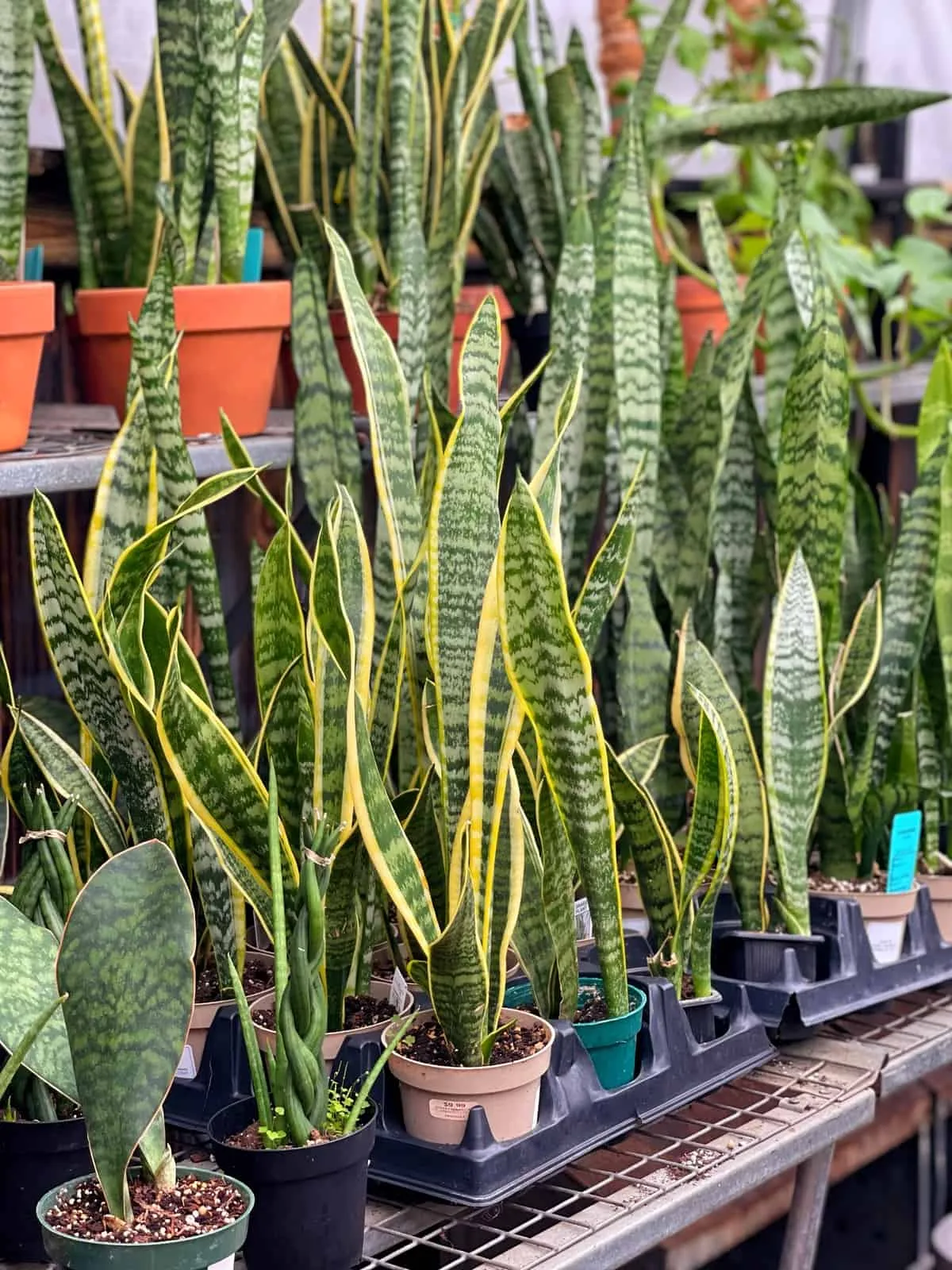
Leaf color matters most. Solid-green varieties (like Sansevieria trifasciata ‘Laurentii’ without the yellow edge) are the most forgiving. They’ll survive in very low light for months. Variegated varieties, the ones with white, cream, or yellow stripes, need 30 to 50 percent more light to keep those patterns.
Starve a variegated snake plant of light, and the leaves will slowly revert to solid green.
Window orientation determines intensity.
| Window Direction | Light Quality | Ideal Distance from Window |
|---|---|---|
| North | Low to medium indirect | 0–2 feet |
| East | Bright indirect morning | 0–3 feet |
| West | Bright indirect afternoon | 1–3 feet (with sheer curtain) |
| South | Hot direct afternoon | 4+ feet or filtered |
Season changes the angle. In winter, the sun sits lower in the sky. That means light reaches deeper into rooms, but it’s weaker overall. You might move a plant closer to the window from November through February, then pull it back in summer to avoid scorching.
This seasonal adjustment is the main reason your plant’s light needs aren’t a one-time decision.
For outdoor setups, the outdoor care guide explains how full sun exposure differs from indoor placement. The same basic principles apply, but outdoor plants need careful hardening off.
The “Shadow Test” and Other Ways to Measure Light
Before you buy a light meter, you can figure out your room’s light with your own hand. It’s silly simple, but it works.
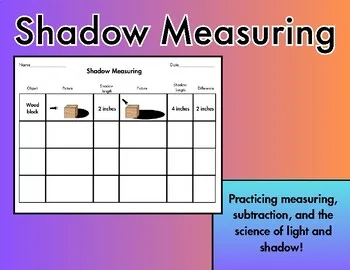
The shadow test: Hold your hand about twelve inches from a white piece of paper, directly between the paper and the window. Look at the shadow edge.
- A sharp, defined shadow with crisp edges means bright indirect light (500+ foot-candles). Your snake plant grows well here.
- A soft, blurry shadow means medium indirect light (200, 500 foot-candles). It stays alive and may produce slow growth.
- A barely visible shadow or none means low light (under 100 foot-candles). Survival only, no growth.
That’s the cheapest diagnostic tool you own. If you want more precision, a simple lux meter app on your phone works well enough. Hold the sensor (usually the front camera area) facing the window at the leaf level.
Ignore the direct sun reading; measure where the plant actually sits.
I also recommend taking readings at three different times: morning, noon, and late afternoon. Light changes dramatically through the day, and a single midday measurement can overestimate the total exposure. Most snake plants do fine with four to six hours of that “sharp shadow” indirect light, then ambient light for the rest of the day.
For a complete walkthrough on setting up your plant’s environment, the beginner guide covers all the supporting factors like pot choice and watering rhythm. But the shadow test is your starting point.
Is Your Plant Happy or Stressed? Light-Related Symptoms
Your snake plant gives you clear signals. You just have to know what to look for. These four symptoms tell you everything about the current light level.
Stretching or leggy growth. If new leaves are taller than old ones, thinner, and pale green, you have a reach problem. The plant is literally stretching toward the window. It needs more light.
Yellowing leaves from stress. If lower leaves turn yellow but aren’t mushy, the light is too low. (Yellow leaves can also come from overwatering, but when the soil feels dry and leaves are pale, suspect light.) For other possible causes, see our guide to why snake plant leaves turn yellow.
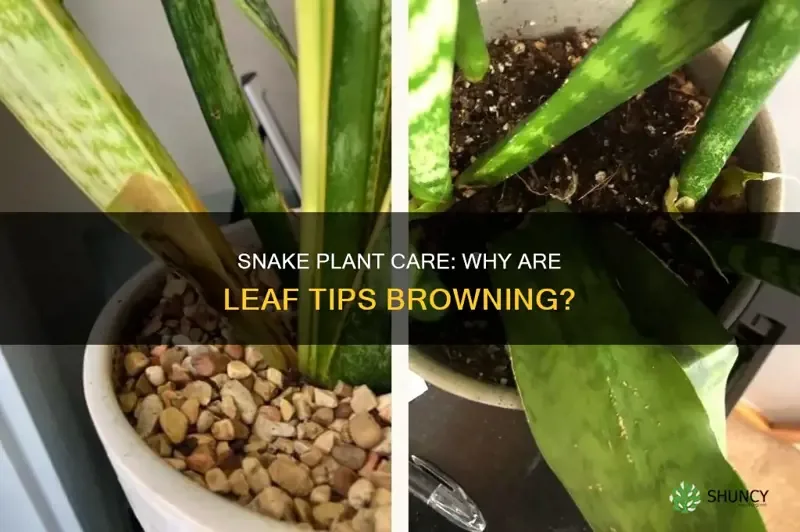
Brown, crispy tips or bleached patches. That’s sunburn. Direct afternoon sun hits the leaf and kills the tissue. Move the plant back or add a sheer curtain.
Loss of variegation. White or yellow edges turning dark green means the plant is trying to maximize chlorophyll production. It’s a survival response to low light.
| Symptom | Likely Cause | Action Needed |
|---|---|---|
| Stretching | Not enough light | Move closer to window |
| Yellowing | Too little light | Increase exposure gradually |
| Brown tips | Direct sun | Filter with curtain or move back |
| Fading stripes | Low light | Increase light for variegated types |
If you’re seeing drooping, that’s often related to water, but light plays a role too. Check the drooping guide for the full connection. The main point: your plant will tell you if it’s unhappy with the light long before it dies.
Listen to the leaves.
Your Snake Plant Light Decision Guide (By Room Type)
Here’s the decision framework you can use to place your snake plant with confidence. Think of it as a flow chart based on where you want to put it.
Bathroom with a small north-facing window. That’s about as low as you can go. Only solid-green varieties. Keep the plant right on the windowsill or within six inches.
Do not expect rapid growth.
Bedroom with east-facing windows. You’ve got good morning light. Place the plant two feet from the window, and it will thrive. Both solid and variegated types work here.
Living room with a south picture window. Danger zone. Keep the plant at least four feet from the glass, or put a sheer curtain between the window and the plant. Variegated types actually appreciate this space if they’re set back.
Solid-green can handle even less.
Home office with no direct window but a glass door. The door lets in a surprising amount of light. Place the plant near the door but not in the direct beam. Good for both types.
Windowless hallway. Not ideal. If you insist, use only solid-green, rotate it to a bright window once a month for a few days, and accept that growth will be minimal. Better to use a grow light.
If you want to place your snake plant outdoors during summer, the setup is different entirely. Light outdoors is about ten times more intense than indoor indirect light. Review the growing outdoors specifics before you make the move.
The tiebreaker rule: If you can stand in the spot, hold your hand up, and see a crisp shadow, your snake plant will grow there. If the shadow is fuzzy, it will survive but not thrive. If there is no shadow, expect zero growth and possible decline over months.
Make your decision, test it for a month, and adjust accordingly.
Beyond the Window: Seasonal Adjustments & Grow Lights
Light doesn’t stay the same throughout the year. Understanding this seasonal shift is what separates a surviving snake plant from a thriving one.
In winter, the sun sits lower in the sky. That means light enters deeper into your home, but it’s also weaker. Depending on your latitude, December light can be 50 to 70 percent less intense than June light. If your plant stays outdoors, check its snake plant hardiness zone before cold weather arrives.
Many snake plants slow their growth naturally. You can offset this by moving the plant closer to the window, even right up against the glass.
Summer flips the situation. High-angled sunlight becomes harsh, especially through south-facing windows. That’s when you need to pull the plant back a few feet or add a sheer curtain.
The same leaf that got crisp in August would have been fine in January.
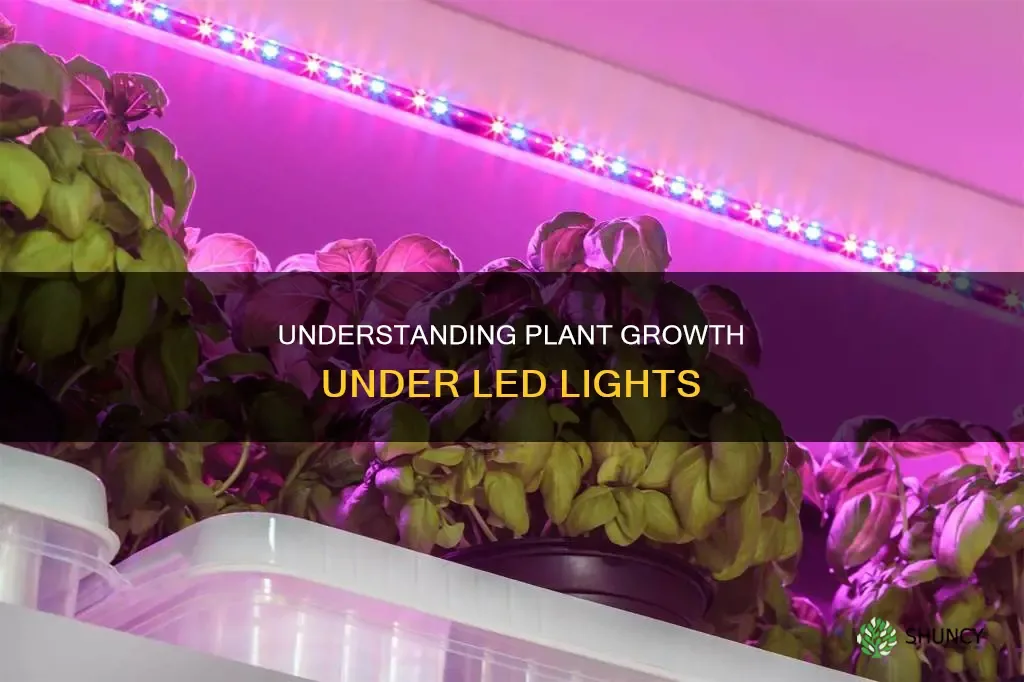
What if your room simply doesn’t get enough natural light? That’s where grow lights help. Full-spectrum LED panels work well for snake plants.
Keep them on for 10 to 12 hours a day, placed about 12 to 18 inches from the leaves. The plant won’t get leggy, and variegation stays strong.
Aggregate user feedback reviewed from indoor gardening forums suggests that supplementing with a grow light for three winter months makes a noticeable difference in spring growth rates. If you’re in a downtown apartment with a single north-facing window, a small LED strip costs very little and solves the problem completely.
FAQs: The Most Common Light Questions
Can snake plants survive in a room with no windows?
No, they will not survive indefinitely. Snake plants can tolerate low light but need some indirect daylight. In a windowless room, a grow light is essential.
Without any light source, the plant will stop producing chlorophyll, weaken, and eventually die after a few months. Rotate it to a bright spot once a month to reset it.
How do I know if my snake plant is getting too much sunlight?
Look for bleached patches, brown crispy tips, or grayish leaf discoloration. Direct afternoon sun is usually the culprit. Move the plant further from the window or filter the light with a sheer curtain.
If the edges of the leaf turn yellow or white, that’s a clear sign of light stress.
Should I move my snake plant outside in summer?
You can, but you need to do it gradually. Start in full shade for a week, then add an hour of morning sun every few days. Full direct sun will scorch the leaves in hours.
Outdoor light is many times more intense than indoor indirect light, so acclimate slowly. The outdoor care guide has the full step-by-step for this transition.
Do snake plants need direct sunlight?
No. Snake plants do best in bright indirect sunlight. Direct morning sun (before 10 am) is acceptable, but direct afternoon sun will burn the leaves.
Solid-green varieties can handle a little more direct exposure, but variegated types are more sensitive. Indirect sunlight from an east or north window is the sweet spot. If the shadow test shows a crisp shadow, you have enough light.
What happens if a snake plant gets no sunlight at all?
It will stop growing completely. The leaves may turn dark green as the plant tries to make more chlorophyll. Over several months, the leaves will weaken, droop, and eventually die.
It’s not fatal immediately, but a snake plant in a completely dark room will not survive past six to eight months. If you notice the leaves getting soft or thin, it’s a clear sign of stress.