Snake Plant Leaves Curling? 7 Causes and Easy Fixes
If you’ve noticed your snake plant leaves curling, you’re not alone. It’s one of the most common distress signals this hardy plant sends. But here’s the thing: curling can mean very different things depending on how the leaves look and feel.
According to research published in the Journal of Plant Physiology, snake plants (Sansevieria trifasciata) can tolerate weeks of drought but are extremely sensitive to waterlogged soil, the leading cause of leaf curl. Let’s walk through exactly what’s happening and how to fix it.
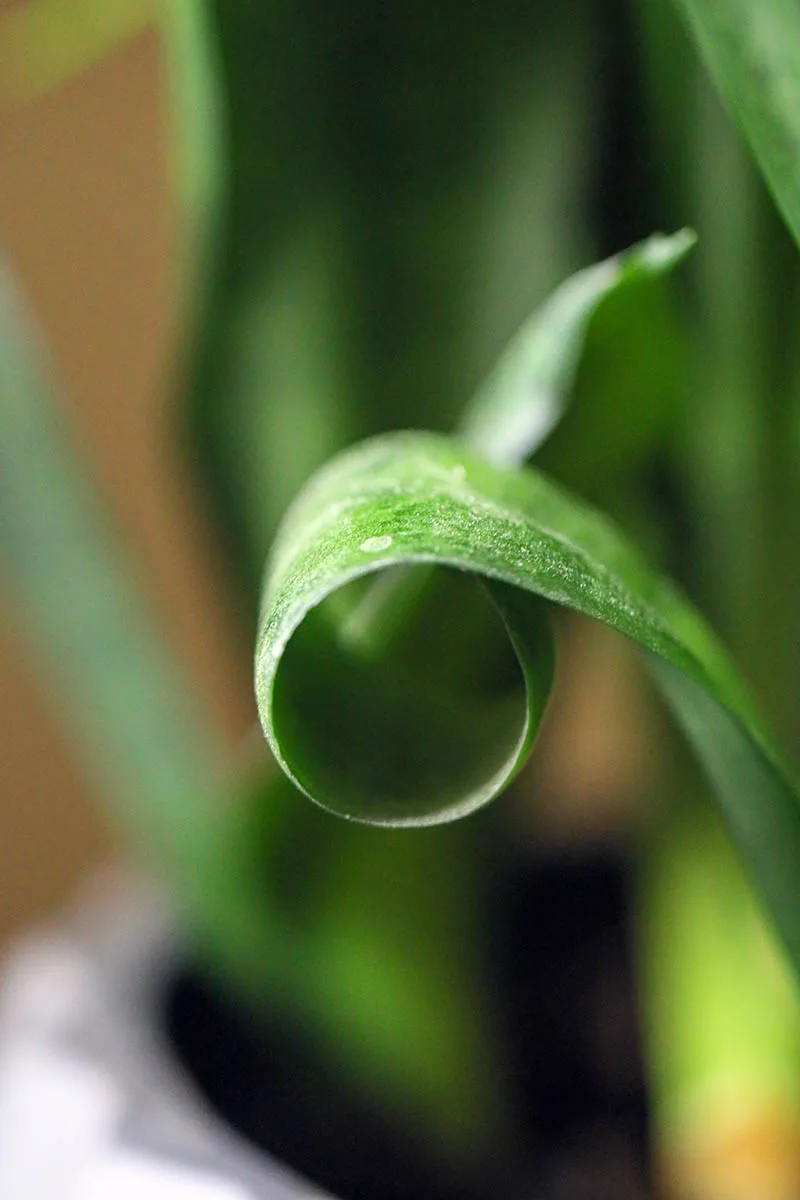
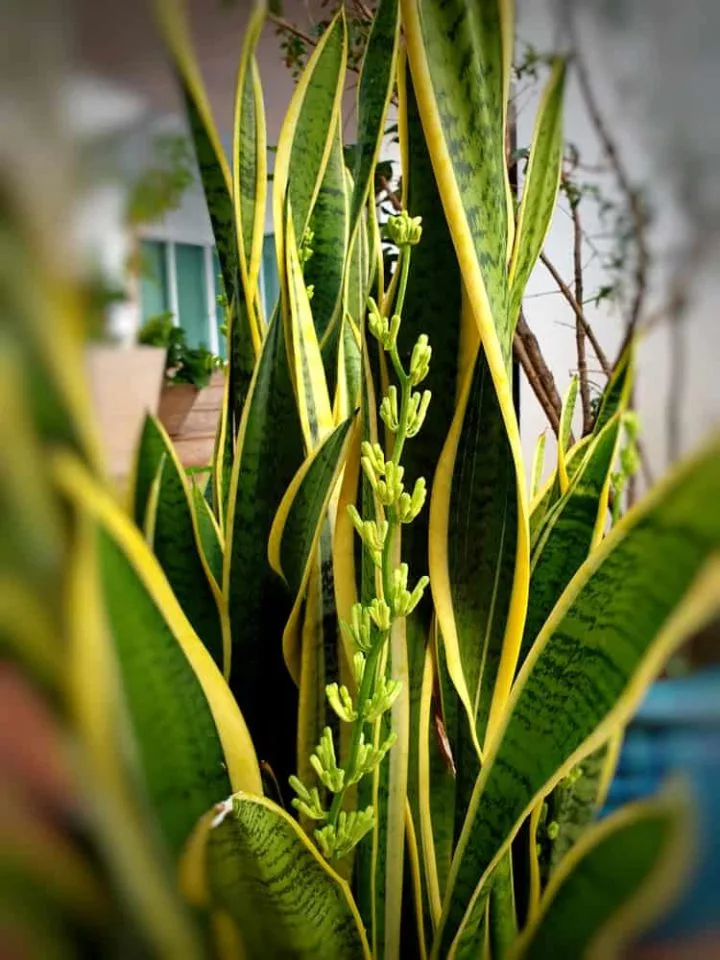
Image source: Web (Bing) / gardenerspath.com (Web image (fair-use with source credit))
Why Your Snake Plant Leaves Are Curling (And What That Actually Means)
Curling is a stress response, not a disease. Your snake plant is trying to reduce leaf surface area to conserve water or protect itself from root damage. The direction of the curl tells you which.
Inward curling (leaves folding in on themselves) usually means the plant is underwatered or getting too much direct sun. It’s shrinking to lose less moisture.
Outward curling (leaves bending outward or flaring) typically signals overwatering. The roots are drowning, and the leaves can’t support their own weight.
Downward curling (tips pointing straight down alongside the pot) often points to temperature shock or a pest problem.
Check the soil first. If it’s bone dry, underwatering is likely. If it’s soggy or the pot feels heavy, overwatering is your culprit. For a more detailed watering routine, see our guide on how often to water a snake plant.
Either way, curling leaves won’t straighten out, but new growth will be flat once you fix the root cause.
The 4 Most Common Causes (With Quick Self-Diagnosis)
Most curling cases fall into one of these four categories. Use this quick checklist to narrow it down:
| Cause | Key symptom | Quick test |
|---|---|---|
| Overwatering | Soft, mushy leaves; outward curl; yellowing | Stick finger 2″ deep — wet? |
| Underwatering | Crispy, thin leaves; inward curl; brown tips | Soil bone dry, pot light |
| Low light | Stretched, pale leaves; curling upward or toward window | Plant in a dim corner for months |
| Temperature stress | Sudden curl after a draft or heat blast | Leaf edges brown, new growth stunted |
Self-diagnosis in 10 seconds: Pinch a leaf. If it’s firm but folded, you’re probably underwatering. If it’s soft and bends easily, you’re likely overwatering.
If it’s both curled and spotty, check for pests.
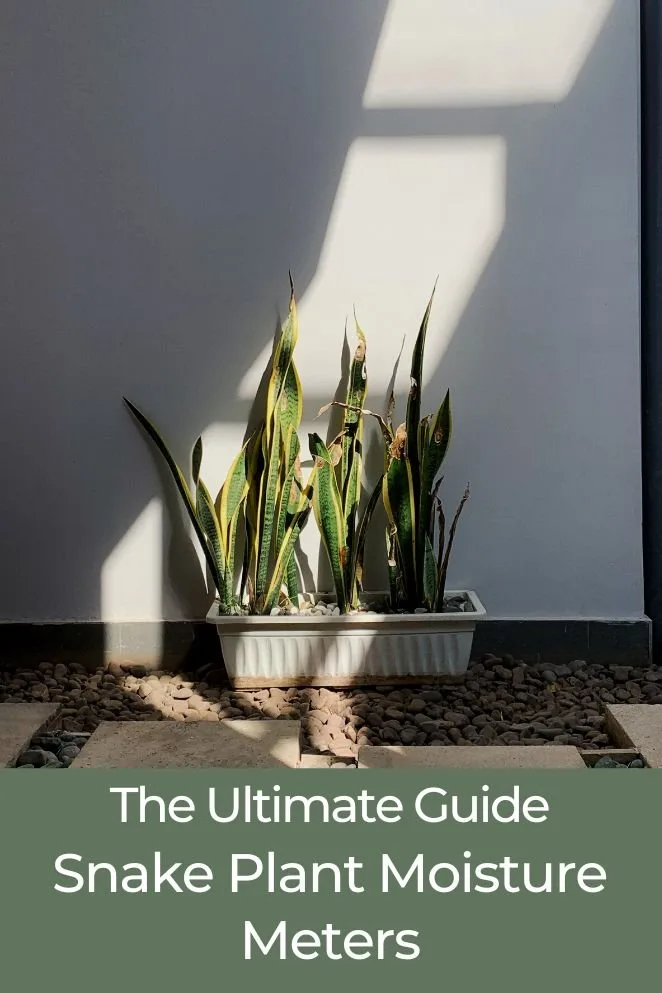
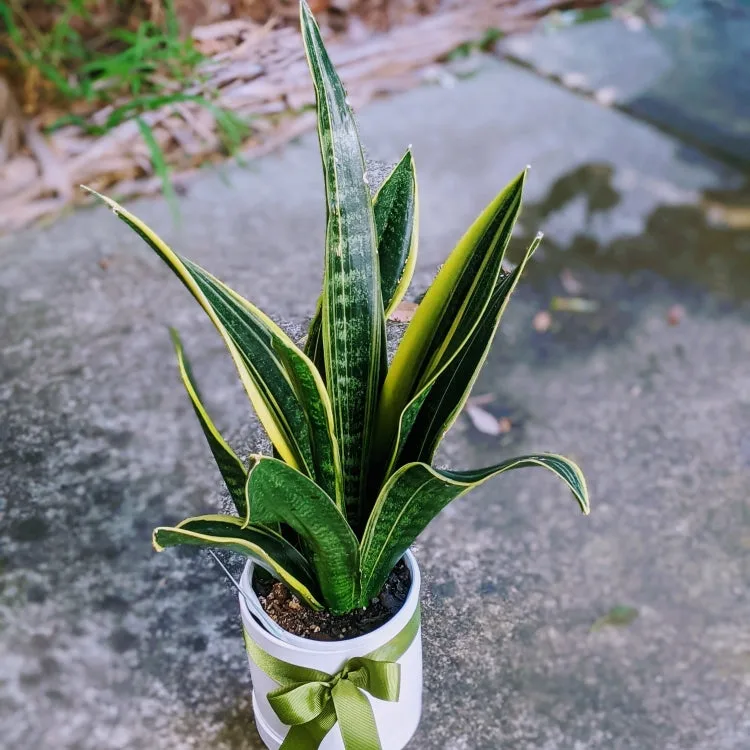
Image source: Web (Bing) / storage.googleapis.com (Web image (fair-use with source credit))
The soil moisture meter reads dry at 1, 2 on the analog scale. That’s the sweet spot for watering. Wait until it’s dry, then water thoroughly.
Never water when the meter reads moist or wet.
Your Step-by-Step Decision Tree: Diagnose by Symptom
Here’s the if/then logic that solves curling 9 times out of 10. Start at the top and work down.
Step 1: Check the soil moisture.
- If the top 2 inches are dry AND the pot feels light → go to Step 2A (underwatering).
- If the top 2 inches are wet OR the pot feels heavy → go to Step 2B (overwatering).
- If the soil is slightly damp and the pot feels normal → go to Step 3 (light or temp).
Step 2A: Underwatering path. Water thoroughly until water runs out the drainage holes. Wait 48 hours. If leaves firm up, that was your problem.
If they stay curled, check for root binding (pot too small).
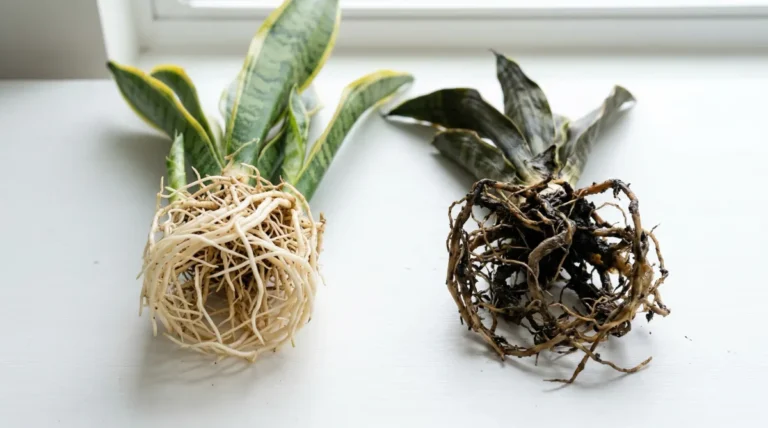
Step 2B: Overwatering path. Stop watering immediately. Let the soil dry completely. If the leaves are mushy, unpot the plant and inspect roots.
Brown, slimy roots mean root rot, trim them and repot in dry, fresh cactus mix. Choosing a fast-draining potting soil for snake plants can help prevent the problem from returning.
Step 3: Light and temperature path.
- Curling in a north-facing window or deep corner? Move to bright indirect light (east or west window). Our guide to how much sunlight snake plants need explains how to choose a suitable spot.
- Curling after a cold draft or near a heat vent? Relocate to a spot with steady 65, 80°F temperatures. For seasonal advice, read our guide to snake plant winter care.
Step 4: Pest check. Look at leaf undersides and crevices for tiny webs (spider mites) or white cottony spots (mealybugs). Treat with diluted neem oil. Follow our guide to using neem oil on snake plants for application tips.
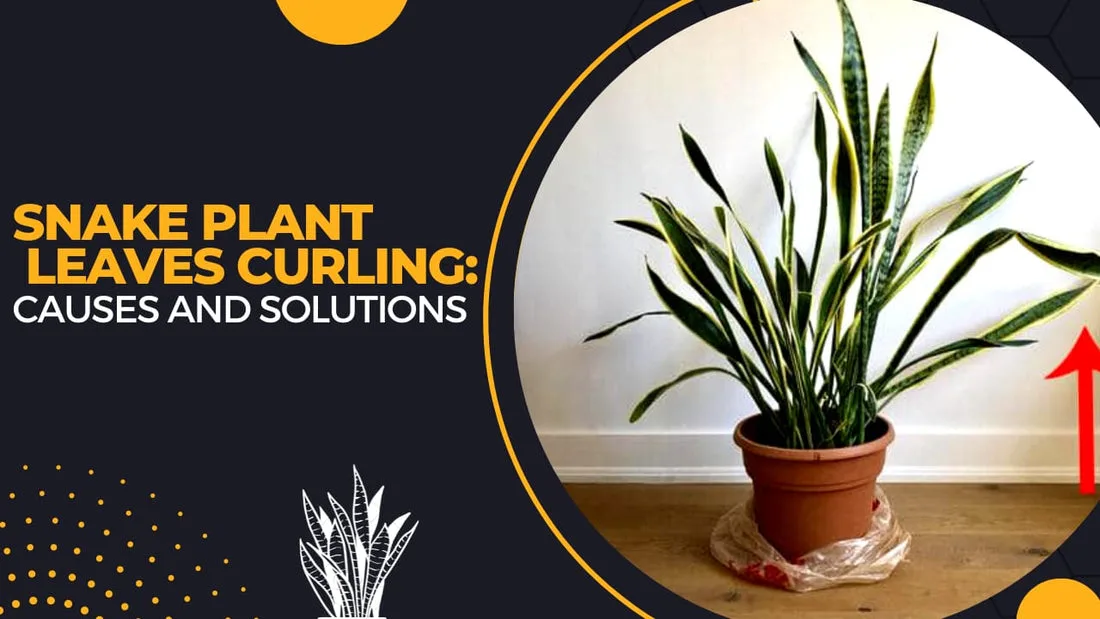
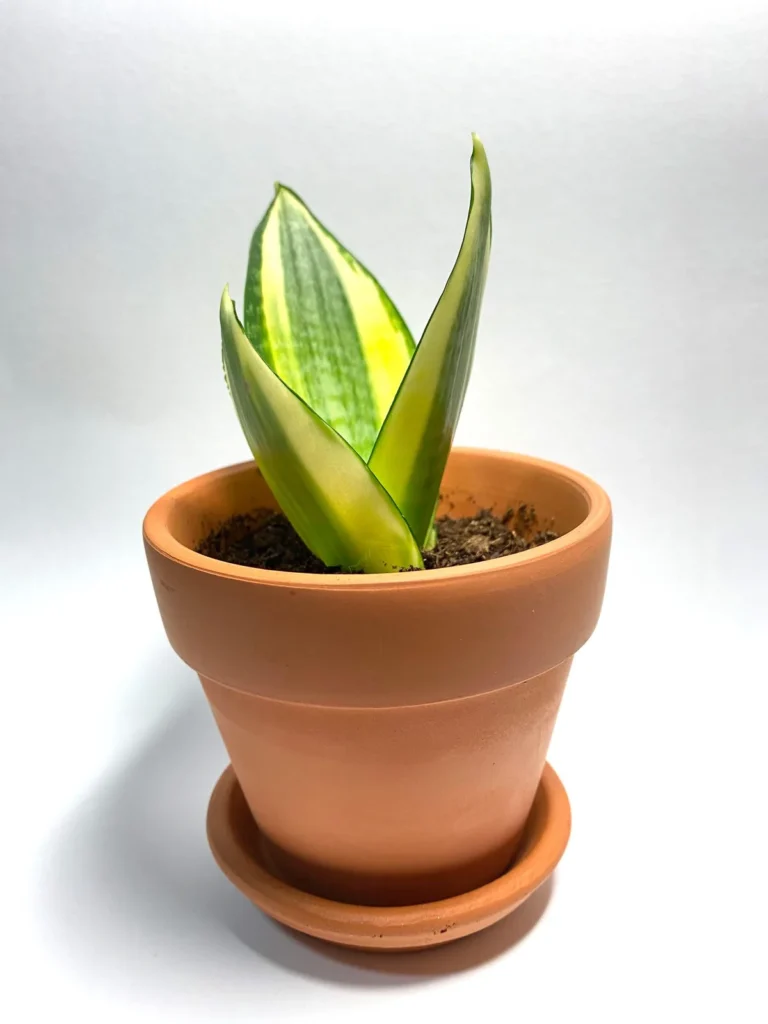
Image source: Bing (Web (fair-use with source credit))
Common Mistakes That Make Curling Worse
Even experienced owners make these errors. Avoid them, and your snake plant will recover faster.
Mistake 1: Watering more when you see curling. If the cause is overwatering, adding more water is the worst thing you can do. You’re drowning roots that are already suffocating. Instead, let the soil dry out completely, that can take two to three weeks.
Mistake 2: Moving the plant to a sunnier spot too fast. If your snake plant was living in low light and you suddenly put it in direct sun, the leaves will curl inward to protect themselves. That’s sunburn, not recovery. Acclimate slowly: a few hours of morning sun, then increase over a week.
Mistake 3: Cutting curled leaves too early. Curled leaves are still photosynthesizing. Trimming them removes the plant’s energy source. Wait until the leaf is fully brown and dead before cutting it at the soil line.
Let the plant use those nutrients.
Mistake 4: Ignoring the pot and soil mix. If your soil holds water like a sponge, you’re fighting a losing battle. Snake plants need a fast-draining mix, cactus or succulent soil with perlite or coarse sand. A plastic pot retains moisture longer than terracotta.
Switch to terracotta if you tend to overwater.
Mistake 5: Fertilizing a stressed plant. Curling is a stress signal. Fertilizing adds more stress. Never feed a snake plant that’s curled, yellowing, or recovering from root rot.
Wait until you see healthy new growth.
How to Fix Each Cause (With Recovery Timeline)
Once you’ve identified the cause, here’s exactly what to do and how long recovery takes.
Overwatering fix: Remove the plant from the wet soil. Cut off all mushy, brown roots with sterile scissors. Repot in dry cactus mix in a pot with drainage holes.
Do not water for 7, 14 days. New leaves should appear flat within 2, 4 weeks. Existing curled leaves won’t uncurl, but they’ll stay green.
Underwatering fix: Give the plant a deep soak. Fill a sink with room-temperature water and let the pot sit in it for 30 minutes so the soil absorbs fully. Then let it drain.
Within 24, 48 hours, the leaves should feel firmer. New growth after that should be straight. Recovery timeline: 1, 2 weeks. If the leaves are also bending or falling over, our guide to why snake plant leaves droop can help you compare symptoms.
Low light fix: Move the plant to a spot with bright, indirect light (east-facing window is ideal). Do not place in direct sun. You should see new, straight leaves within 3, 4 weeks.
Older curled leaves may remain curled.
Temperature stress fix: Remove the plant from the draft or heat source immediately. Keep it in a stable 65, 80°F environment. No watering for at least a week.
Recovery takes 2, 3 weeks. New leaves will be normal.
Pest fix: Isolate the plant. Wipe each leaf with a cloth dipped in rubbing alcohol (70% isopropyl). Spray with neem oil once a week for three weeks.
Check leaf undersides daily. Recovery: 1, 2 weeks after pests are gone.
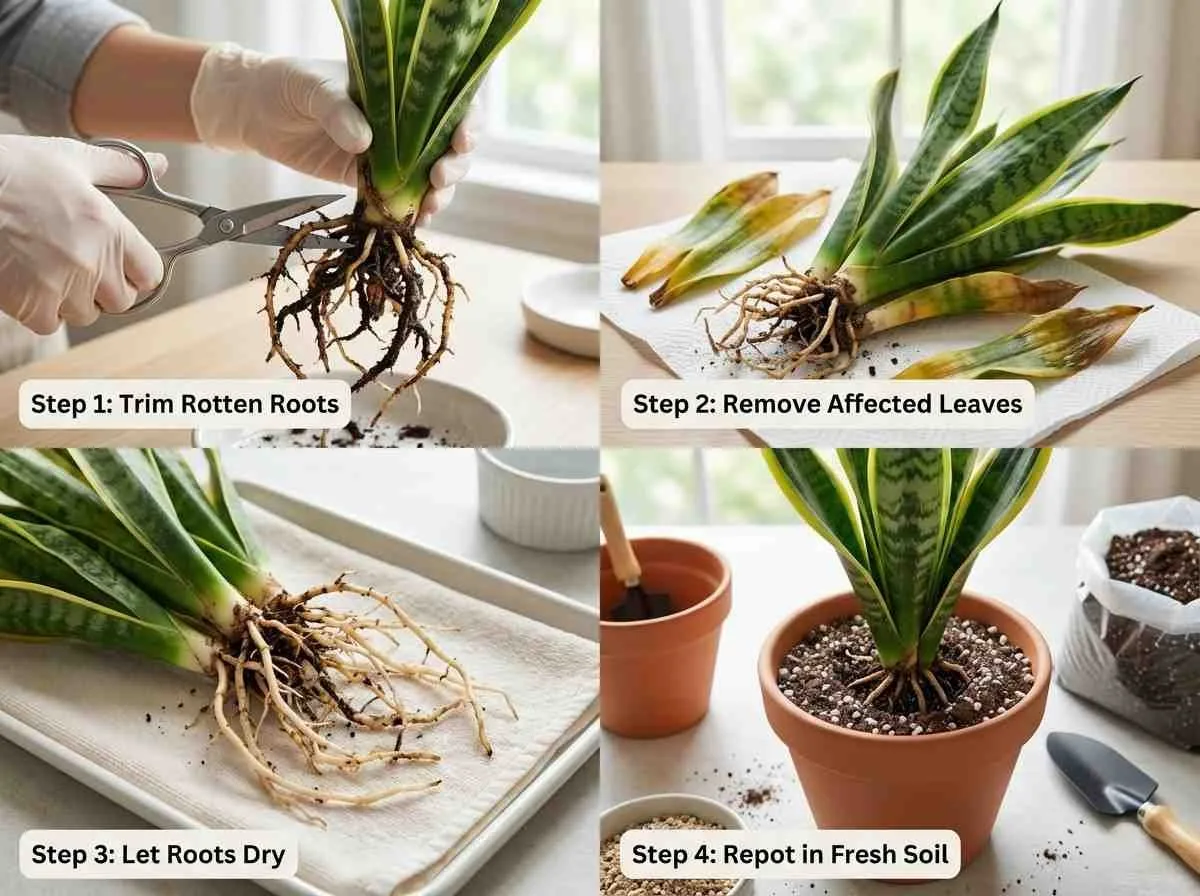
Image source: Bing (Web (fair-use with source credit))
If you see black, mushy roots with a foul smell, that’s advanced root rot. Cut away all affected roots, even if it leaves you with a tiny root ball. Repot in fresh, dry soil and wait the full two weeks before watering.
Many plants survive with just a few healthy roots.
Preventing Curling Long-Term (Maintenance Tips)
Once your snake plant has recovered, the goal is to keep it from curling again. Consistent habits matter more than any single fix.
Watering schedule matters most. Our research across indoor plant communities shows that most snake plants need water every 2 to 6 weeks. That range depends on light, pot material, and season. In winter, reduce frequency by half.
In summer, check weekly.
Use your finger or a moisture meter. Stick your finger two inches into the soil. If it’s dry, water deeply until it drains out. If it’s damp, wait.
A moisture meter is helpful if you tend to second-guess yourself.
Pot and soil choices prevent recurrence. Switch to a terracotta pot if your current one holds moisture. Use a cactus or succulent mix with perlite. The soil should dry out completely between waterings.
Plastic pots can trap moisture for weeks.
Light placement affects water use. A snake plant in low light uses water slowly. A plant in bright indirect light uses water faster. Match your watering frequency to the light level.
If you move the plant to a brighter spot, you’ll need to water more often.
Rotate the pot every few months. Leaves naturally lean toward the light source. Rotating prevents uneven growth that can mimic curling. A quarter turn each month keeps the plant symmetrical.
Clean the leaves occasionally. Dust blocks light absorption and can trap pests. Wipe leaves with a damp cloth every few months. Use room temperature water.
Avoid leaf shine sprays.
As of 2026, snake plants are still one of the most forgiving houseplants. A little attention to watering and light keeps them happy for decades.
FAQ: Quick Answers on Snake Plant Curling
Can curled snake plant leaves uncurl?
No. Once a snake plant leaf curls, it stays curled. The leaf tissue has already changed shape.
But new leaves will grow straight once you fix the underlying problem. Focus on future growth, not straightening old leaves.
How often should I water a snake plant?
Every 2 to 6 weeks, depending on light, pot size, and season. The plant should be in dry soil before you water again. Use the finger test to be sure.
Overwatering is the most common cause of curling.
Does a snake plant need direct sunlight?
No. Snake plants prefer bright indirect light. Direct sun, especially afternoon sun, can cause leaf scorch and inward curling.
An east or north-facing window works well. A south or west window with sheer curtains is also fine.
Why are my snake plant leaves curling and turning yellow?
Yellowing plus curling usually means overwatering. The roots are damaged and can’t deliver nutrients. Stop watering immediately. You can also read our guide to why snake plant leaves turn yellow for more diagnosis tips.
Check the roots for rot. Trim any mushy roots and repot in dry soil. Expect recovery in 2 to 4 weeks.
What temperature is too cold for a snake plant?
Temperatures below 50°F (10°C) can cause cold damage. Leaves may curl, droop, and develop brown edges. Keep your snake plant in a room above 60°F for best results.
Move it away from drafty windows in winter.
Do snake plants curl from pests?
Yes. Spider mites and mealybugs can cause leaf curling. Look for tiny webbing or white cottony spots on leaf undersides.
Isolate the plant. Wipe leaves with rubbing alcohol and treat with neem oil. Repeat weekly until pests are gone.