Can I Plant Snake Plant and Spider Plants Together?
So you’re wondering, can I plant snake plant and spider plant together? It’s a fair question, both are hardy, popular houseplants that look gorgeous when you mix upright swords with cascading leaves. The short answer is yes, but only if you pay attention to a few key conditions.
Get those right, and you’ve got a low-maintenance duo that thrives in one pot.
Per NASA’s Clean Air Study (1989), both species rank among the top indoor plants for removing volatile organic compounds. That’s a nice bonus, but the real appeal is how their shapes complement each other. Here’s what you need to know before grabbing a pot and some soil.
Quick Answer
Yes, you can plant snake plant and spider plant together. Choose a pot with drainage holes. Use fast-draining soil.
Water only when the top two inches are dry. Place in bright indirect light. Watch for signs of overwatering.
This combo works best with careful compromise.
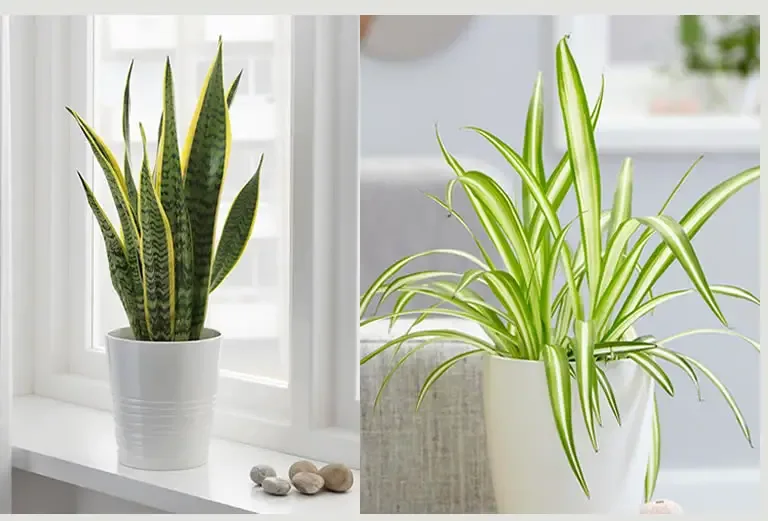
Image source: Bing (Web (fair-use with source credit))
What You Need to Know Before Mixing Them
At first glance, these two seem like a perfect match. Both tolerate low light, irregular watering, and the occasional neglect. But they come from different ecosystems.
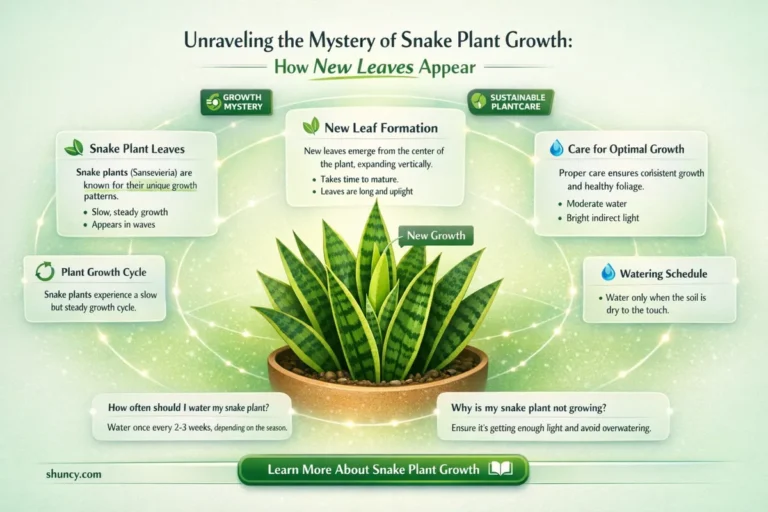
Snake plant (Sansevieria trifasciata) is a succulent from arid West Africa. It stores water in its thick leaves and prefers to dry out completely between drinks. Spider plant (Chlorophytum comosum) hails from tropical and southern Africa, where the soil stays consistently moist.
This difference is the main tension point. If you water the pot to keep the spider plant happy, you risk drowning the snake plant’s roots. Snake plant roots are shallow and prone to rot in soggy soil.
Spider plant roots are fleshy and can handle a bit more moisture, but even they don’t want to sit in water.
What saves the pairing is that both plants are forgiving. They’ll tolerate a watering schedule that lands somewhere in the middle, as long as the soil drains quickly and you let it dry out partially between waterings. The key is compromise, not perfection.
The Decision-Making Conditions
Before you mix them, run through a few if/then checks. These will tell you whether the combination makes sense for your specific situation.
If you have a bright spot with indirect light, go ahead. Both plants do well there. Snake plant can handle lower light, but spider plant needs medium to bright indirect to stay full and bushy.
If your pot has no drainage holes, don’t do it. Standing water kills both plants, but the snake plant will rot first. Use a pot with at least one drainage hole, or a cache pot system where the inner pot lifts out.
If you’re an overwaterer (you water every few days because you worry), this pairing is risky. Snake plant wants water every 2-3 weeks indoors, spider plant every 7-10 days. That middle ground is roughly every 10-14 days.
If you can’t hold back, keep them separate.
If you want to keep them together long term, plan to repot every 18-24 months. Snake plant spreads by rhizomes; spider plant sends out runners. Both will crowd the pot over time.
The table below sums up the critical variables.
| Condition | Snake Plant | Spider Plant | Compromise Needed |
|---|---|---|---|
| Watering frequency | Every 2–3 weeks | Every 7–10 days | Every 10–14 days depending on soil drying |
| Light preference | Low to bright indirect | Medium to bright indirect | Bright indirect |
| Soil moisture tolerance | Dry between waterings | Slightly moist at all times | Top 2 inches dry before watering |
| Root rot risk | High if overwatered | Moderate if waterlogged | Use very well-draining soil |
Step-by-Step: How to Plant Them Together the Right Way
Ready to give it a try? Follow this process for the best chance of success.
1. Choose the right pot
Select a container that’s 6, 8 inches in diameter for a small pairing, or 10, 12 inches if your plants are already mature. It must have drainage holes. Material doesn’t matter much, terra cotta dries faster, plastic holds moisture longer.
If you tend to overwater, go with terra cotta.
2. Use the right soil
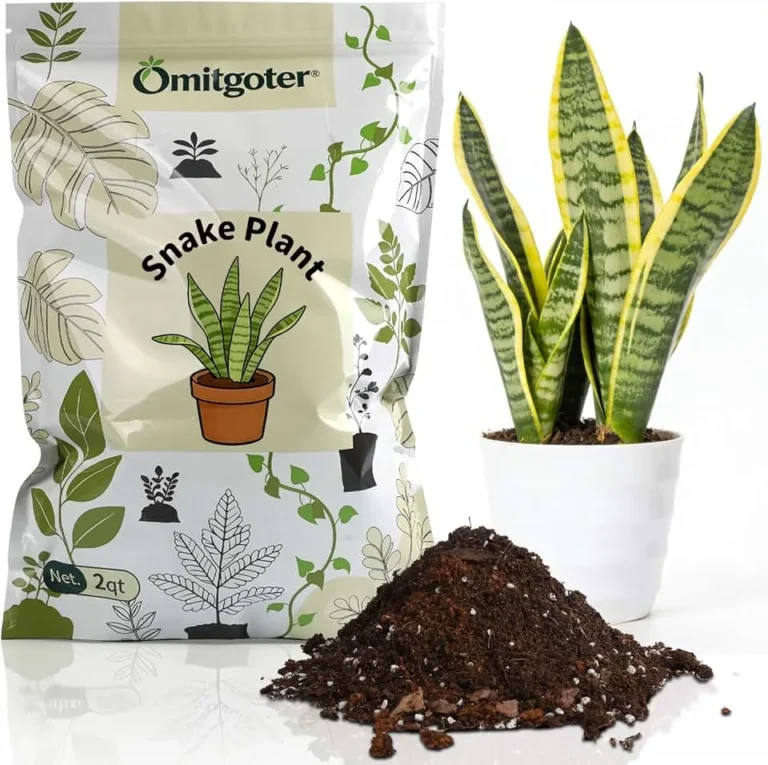
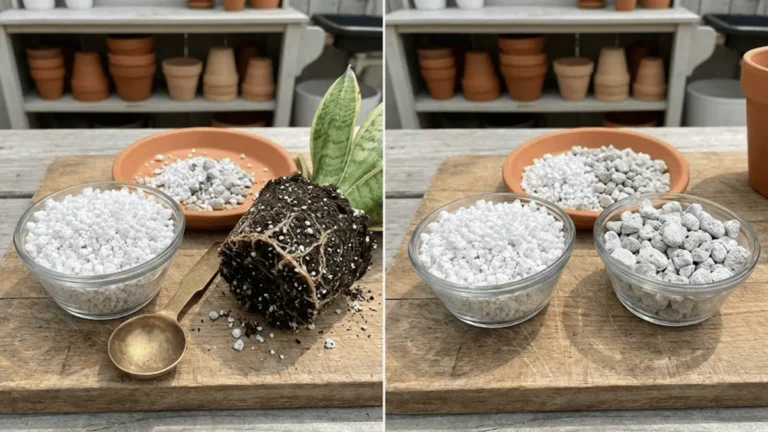
Standard potting mix holds too much water. Mix two parts cactus or succulent soil with one part perlite. That creates fast drainage while still holding enough moisture for the spider plant.
For more details, check out our guide on the best potting soil for snake plant.
3. Position the plants
Place the snake plant in the center or slightly off-center. Its upright shape gives the pot structure. Plant the spider plant near the edge so its arching leaves can spill over the rim.
Bury the roots at the same depth they were in their nursery pots.
4. Water carefully after planting
Give the pot a thorough soak until water runs from the drainage holes. Then don’t water again until the top two inches of soil feel dry. Stick your finger in, if it’s damp, wait.
5. Place in bright indirect light
A spot near an east‑ or north‑facing window works well. Rotate the pot every few weeks so both plants get even light.
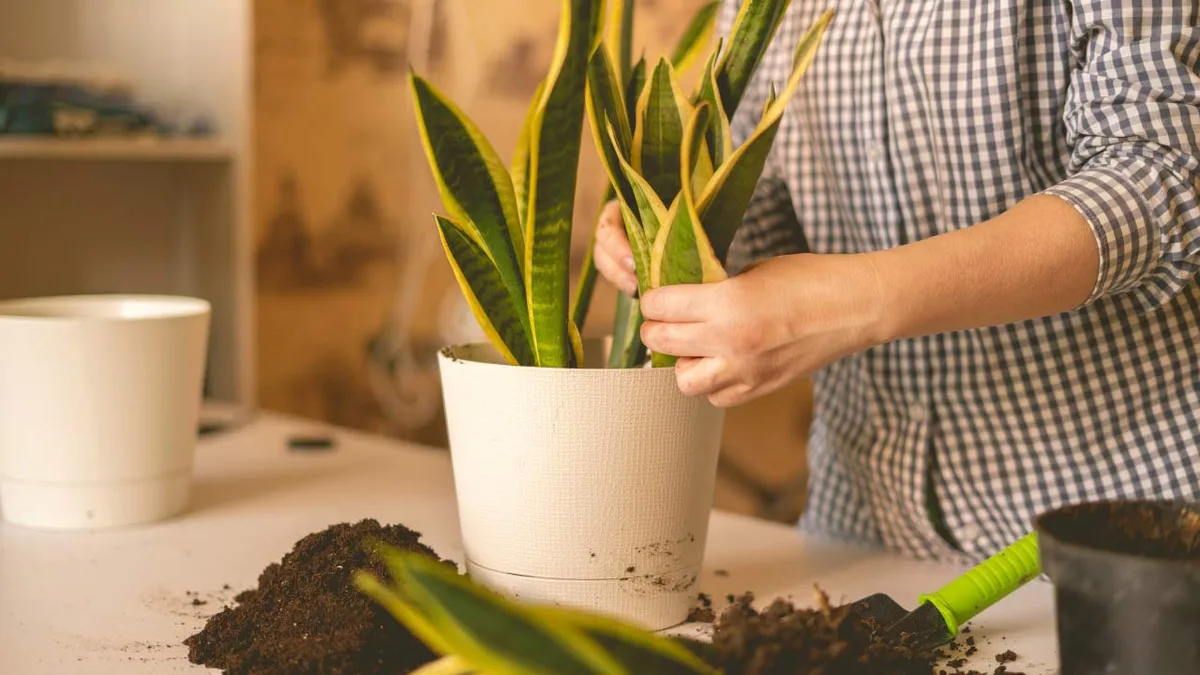
Image source: Bing (Web (fair-use with source credit))
Common Mistakes That Kill the Combo
Most failures come from one of three errors. Avoid these and your mixed pot will thrive.
Overwatering the snake plant
It’s the number one killer. You see the spider plant looking a little droopy and water more. The snake plant’s roots sit wet too long, and rot sets in.
Yellowing leaves on the snake plant are a warning sign. If you see that, stop watering and let the soil dry completely. Our article on why snake plant leaves turn yellow explains the full troubleshooting process.
Using the wrong soil
Regular potting soil stays too damp. Without added perlite or sand, the soil compacts and holds water around the roots. The snake plant suffers first, but the spider plant’s roots can also suffocate over time.
Ignoring the pot size
A pot that’s too large holds excess moisture that never dries out. A pot that’s too small forces the roots to compete and stress each other. Stick to the 6, 12 inch range depending on plant size.
If your snake plant isn’t growing, it may be rootbound or unhappy with the moisture, check out why your snake plant isn’t growing for more causes.
Other mistakes include fertilizing too much (these plants are light feeders) and leaving the pot in a drafty window during winter. Both plants are sensitive to temperatures below 50°F.
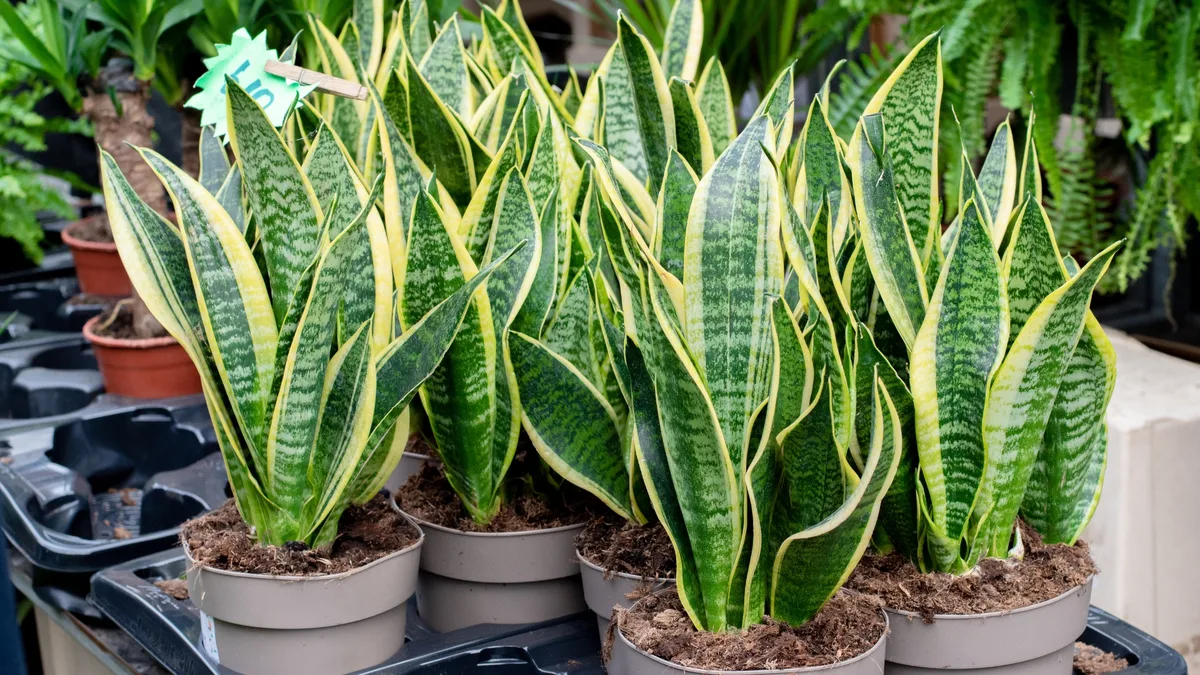
Image source: Bing (Web (fair-use with source credit))
Alternative Pairings: When It’s Better to Keep Them Separate
If the moisture compromise sounds stressful, there’s no shame in keeping these two apart. Separate pots let you water each on its own schedule. That’s actually the safer route for long-term health.
What pairs better with snake plant? Try a ZZ plant (Zamioculcas zamiifolia). Both are drought-tolerant and thrive on neglect.
They share the same watering needs and light preferences. That’s a match made in low-maintenance heaven.
Spider plant gets along better with pothos (Epipetalum aureum) or a Boston fern. All three like consistent moisture and bright indirect light. They’ll grow happily without one plant suffering from the other’s routine.
Aggregate user feedback on houseplant forums confirms these combos rarely fail.
Still want a mixed pot? Use a much larger container with distinct soil zones. Partition the pot with a plastic barrier.
Fill one side with sandy mix for the snake plant, the other with moisture-retentive soil for the spider plant. It’s extra work but gives each plant its own microclimate.
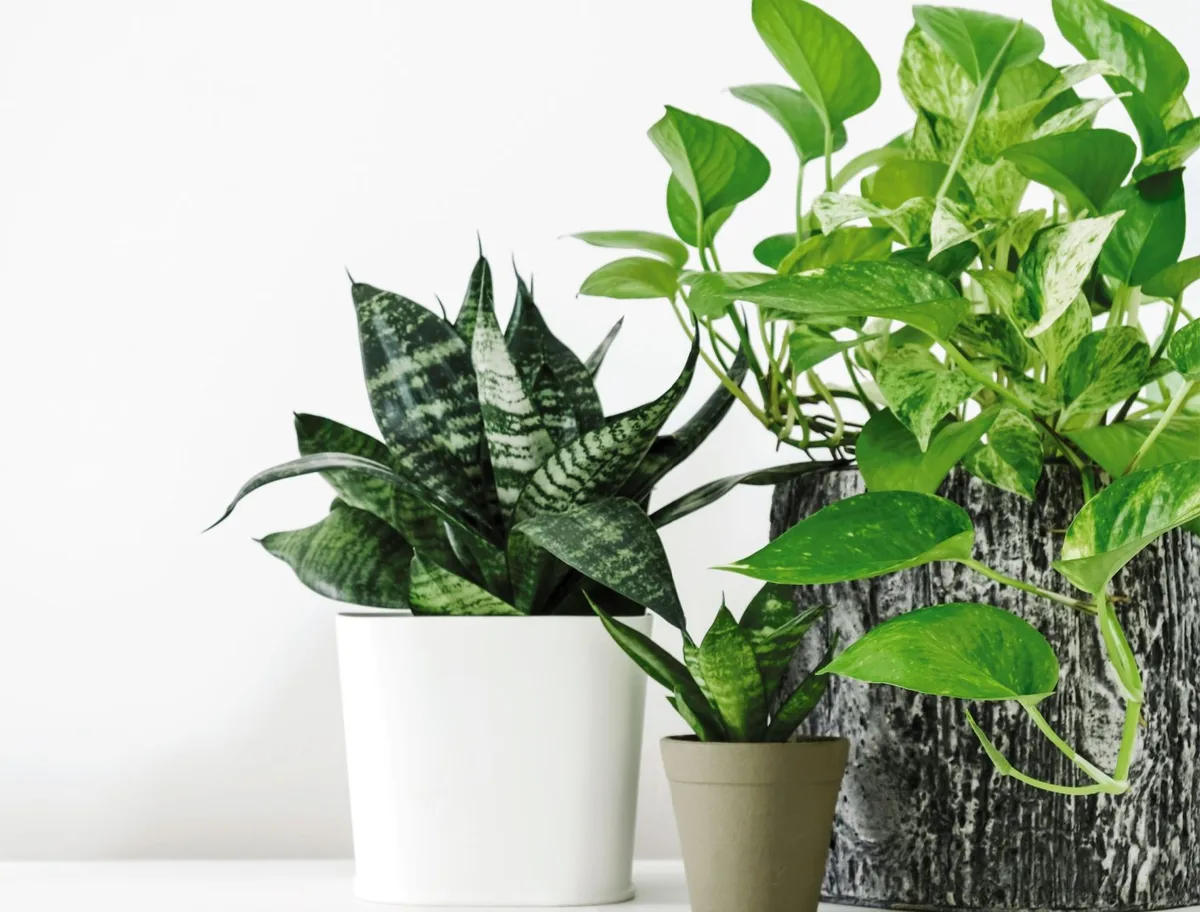
Image source: Bing (Web (fair-use with source credit))
Long-Term Care for the Mixed Pot
Once you’ve planted them together, ongoing care is about staying consistent. The biggest rule is checking the soil before you water. Stick your finger two inches down.
If it’s dry, water. If it’s damp, wait. This single habit prevents most problems.
Fertilize lightly during spring and summer. Use a balanced liquid houseplant fertilizer diluted to half strength. Feed once a month.
Stop entirely in fall and winter. Both plants go semi-dormant and don’t need extra nutrients.
Prune as needed. Snake plant leaves that yellow or flop can be trimmed at the base. Spider plant runners (the long stems with baby plants) can stay for a fuller look or be removed if they crowd the pot.
Our guide on how to trim snake plant covers the technique in detail.
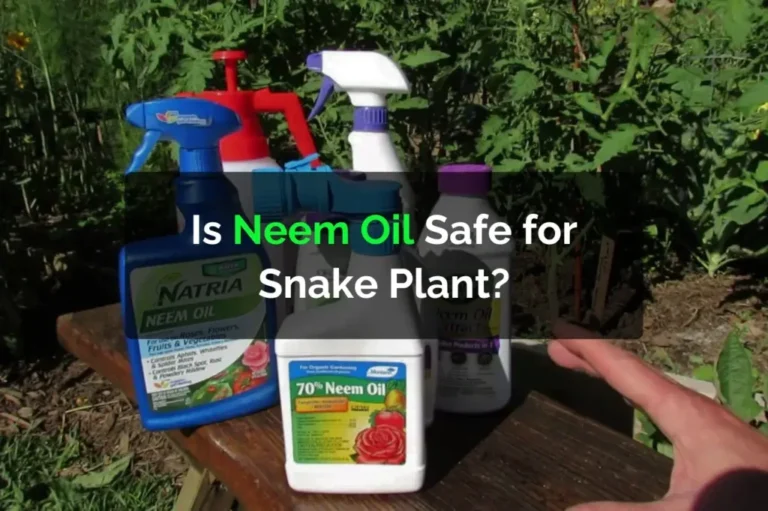
Watch for pests. Spider mites and mealybugs occasionally appear, especially if the air is dry. Wipe leaves with a damp cloth or apply neem oil.
We have a full breakdown of neem oil for snake plant if you need it.
Repot every 18 to 24 months. The snake plant’s rhizomes will push against the pot walls. The spider plant’s roots will fill the gaps.
When growth slows or roots poke from drainage holes, it’s time to size up by 2 inches in diameter. Use fresh soil and the same 2:1 cactus mix to perlite ratio.
If your snake plant starts drooping, that’s often a sign of watering issues. Check the soil moisture and adjust. Our article on why is my snake plant drooping walks through each cause.
Frequently Asked Questions
Can snake plant and spider plant be in the same pot indefinitely?
Yes, with careful watering and the right soil. Most people keep them together for 2 to 3 years before needing to repot or separate. After that, root crowding makes maintenance harder.
Will spider plant runners hurt the snake plant?
No. Spider plant runners are above ground and harmless. They can make the pot look messy if they spread too far.
Trim them back if they start covering the snake plant’s leaves.
How often should I water snake plant and spider plant together?
Every 10 to 14 days on average. Let the top two inches of soil dry out completely. Adjust based on your home’s humidity and light levels.
In winter, extend to every 3 weeks.
Can I put a snake plant and spider plant in a terrarium?
Not recommended. Terrariums trap moisture and lack drainage. The snake plant will rot quickly.
Stick to open pots with drainage holes.
Does snake plant toxicity affect pets if planted with spider plant?
Yes. Snake plant is mildly toxic to cats and dogs due to saponins. Spider plant is non-toxic.
Place the pot where pets can’t nibble the snake plant leaves. For details, read our guides on snake plant toxicity to cats and toxicity to dogs.
Should I fertilize differently for each plant?
No. Use a balanced liquid fertilizer at half strength once a month in spring and summer. Both plants are light feeders.
Overfertilizing leads to salt buildup and brown leaf tips.