Snake Plant Care for Beginners: A Simple Guide
If you’ve ever brought home a snake plant for beginners only to watch it turn yellow and mushy within weeks, you’re not alone. The plant feels like it should be bulletproof, yet something goes wrong fast for a lot of first-time owners.
Manufacturer specs show snake plants tolerate as little as 50 foot-candles of light and need water only every few weeks. That sounds easy, but the conditions in your home change every variable. Let’s walk through the real logic that keeps one alive, not just the general tips.
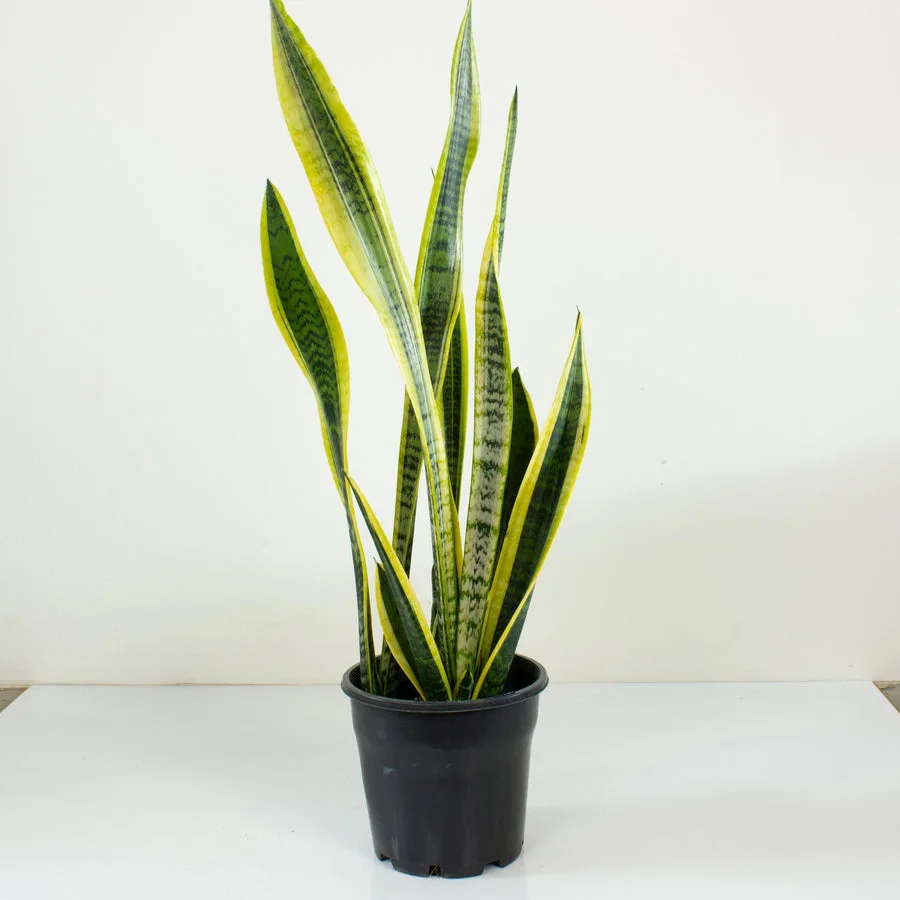
Image source: Web (Bing) / myjunglehome.com.au (Web image (fair-use with source credit))
Why Most Beginners Kill Their Snake Plant (And How to Avoid It)
The biggest culprit is overwatering. Snake plants are succulents. Their thick leaves store water, so they evolved to survive long dry spells.
When you water too often, the roots sit in moisture and rot. By the time the leaves turn yellow or soft, the damage is already done.
Another common mistake is potting in a container without drainage. No drainage hole means water pools at the bottom. Even if you water sparingly, that trapped moisture suffocates roots.
Beginners often think a layer of rocks at the bottom helps, it doesn’t. Water still sits in the soil above the rocks.
Low light isn’t a killer either, but it slows the plant’s water use dramatically. A snake plant in a dark corner uses far less water than one in bright indirect light. If you water on a fixed schedule without adjusting for light, you’ll drown it.
The fix is simple: check the soil before you water, use a pot with a hole, and match your watering frequency to your light level. That’s the entire hidden logic behind keeping these plants happy. The rest is just details.
What Your Snake Plant Actually Needs – Light, Soil, and Pots
Light
Snake plants are famous for tolerating low light, but “tolerate” isn’t the same as “thrive.” In very low light (a north-facing window or a windowless office corner), the plant will survive but grow slowly and may become leggy. Medium indirect light (east or west window a few feet back) is the sweet spot for steady growth.
Direct hot sun can scorch the leaves, especially if the plant wasn’t acclimated. Bright indirect light (a south window with a sheer curtain) works well too.
Soil
The right soil is just as important as the right watering rhythm. Standard potting soil holds too much moisture. You need something that drains fast and dries quickly.
Look for a cactus and succulent mix, or make your own by mixing one part regular potting soil with one part perlite or coarse sand. The goal is a mix that barely holds water after a thorough soak.
Pots
Drainage is non-negotiable. A pot without a drainage hole is a death sentence unless you treat it as a cachepot (decorative outer pot) and keep the plant in a nursery pot inside. Terracotta pots are excellent because they wick moisture from the soil, helping it dry faster.
Plastic pots hold moisture longer, so you have to water less often.
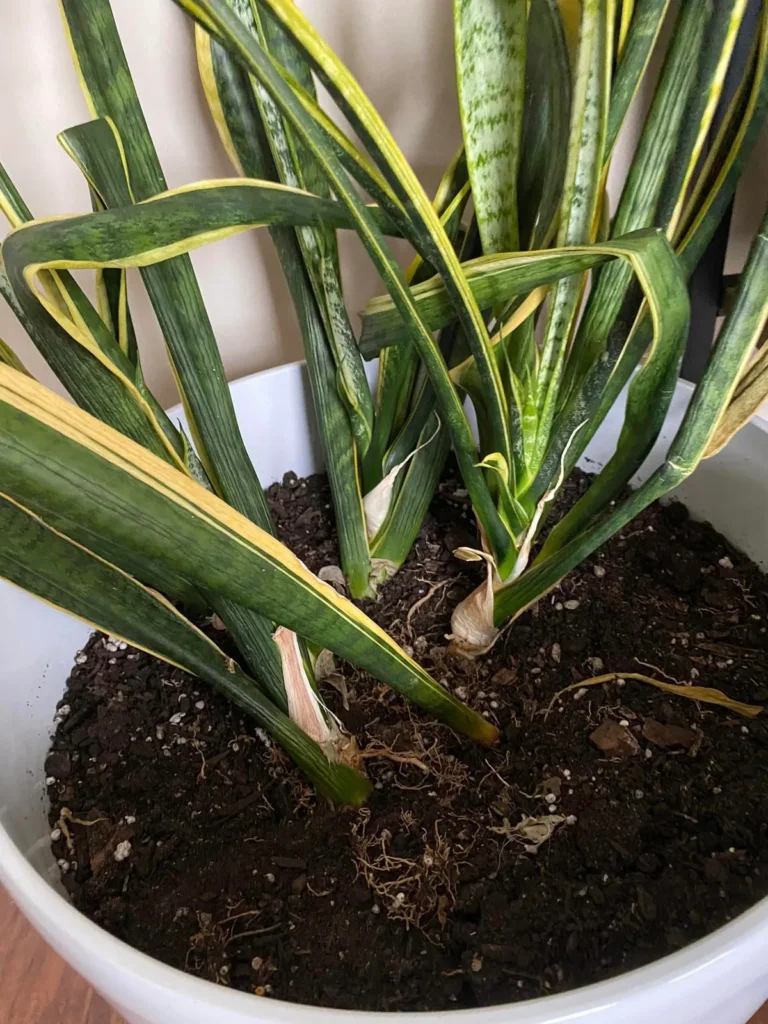
Rootbound isn’t an immediate problem. Snake plants actually like being snug in their pot. Wait until roots push out of the drainage holes before moving up one pot size.
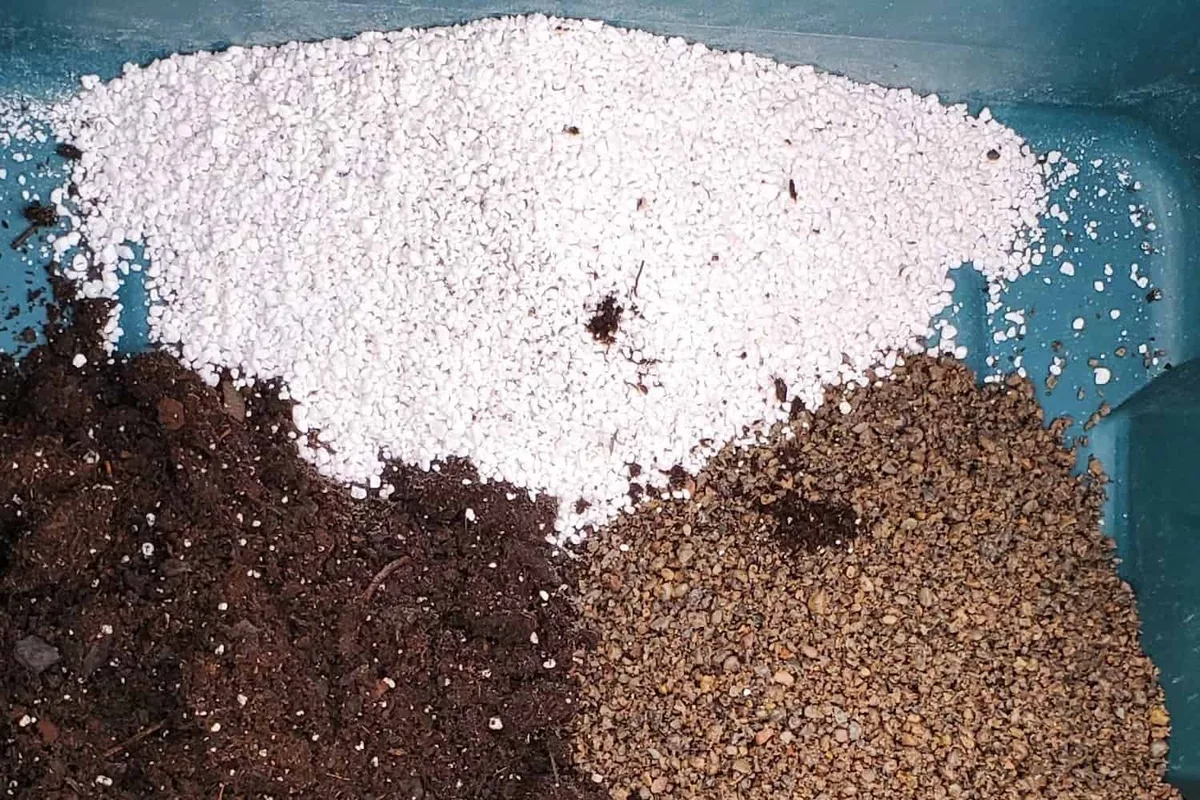
Image source: Web (Bing) / thesucculentsprite.com (Web image (fair-use with source credit))
How to Water Your Snake Plant: A Simple Decision Tree
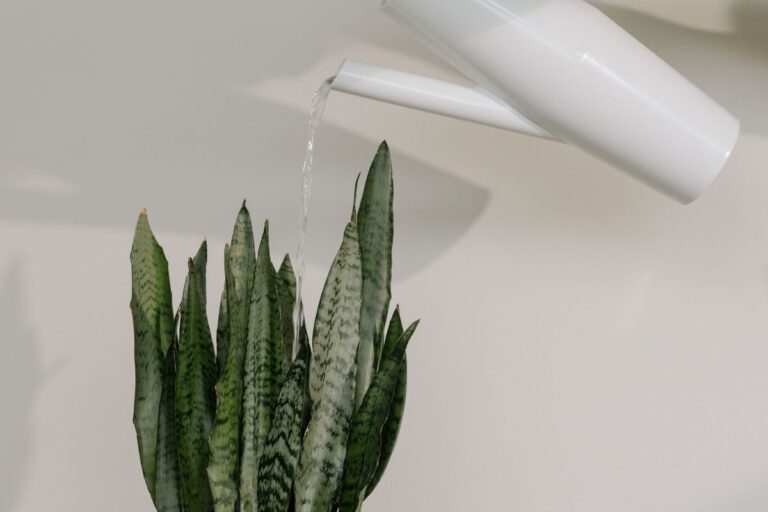
Stop watering on a calendar schedule. Instead, use this decision tree based on your specific environment. For a more detailed watering routine, see our guide on how to water your snake plant.
Step 1: Check soil moisture. Stick your finger about two inches into the soil. If it’s damp at that depth, do not water. Only water when the soil feels completely dry.
Step 2: Assess your light level. Low light (less than 100 foot-candles)? The plant will take 3-4 weeks to dry out. Medium light (100-500 foot-candles)?
Expect 2-3 weeks. Bright indirect light (500+ foot-candles)? Water every 1-2 weeks.
Step 3: Consider your pot and soil. A plastic pot with standard soil holds moisture longer than terracotta with cactus mix. If your pot is plastic, lean toward the longer end of the interval.
Step 4: Note the season. During winter, light is lower and growth slows. Water less often, sometimes only once a month.
Step 5: Look for physical signs. If the leaves start to wrinkle or pucker, the plant is genuinely thirsty. That’s a safe time to water. If leaves turn yellow and feel mushy, you’ve overwatered.
Here’s a quick reference table:
| Your Light Level | Typical Watering Frequency | Soil Check Before Watering |
|---|---|---|
| Low (north window, office) | Every 3–4 weeks | Soil dry 2 in deep |
| Medium (east/west window) | Every 2–3 weeks | Soil dry 2 in deep |
| Bright indirect (south window with sheer) | Every 1–2 weeks | Soil dry 2 in deep |
| Winter (all light levels) | Every 4–6 weeks | Soil completely dry |
The key rule: when in doubt, wait another week. These plants handle underwatering far better than overwatering.
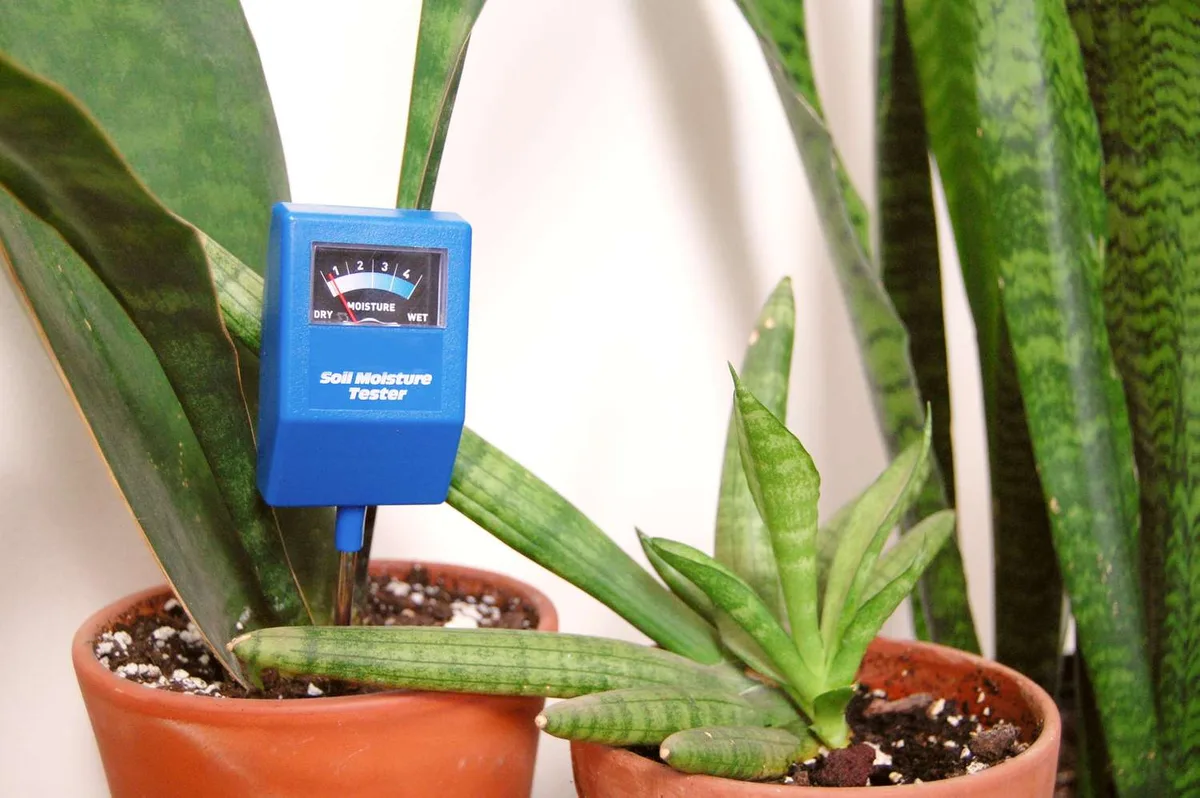
Image source: Web (Bing) / storage.googleapis.com (Web image (fair-use with source credit))
Other Beginner-Friendly Care Tasks (Repotting, Propagation, Cleaning)
Repotting
Snake plants don’t need frequent repotting. Once every 2-3 years is plenty, or when roots crowd the pot. Signs include roots poking out of drainage holes, the pot cracking, or water running straight through without soaking in.
When you repot, go up only one pot size (1-2 inches wider). Use the fast-draining soil mix from earlier. Water lightly right after repotting, then wait at least a week before watering again.
Propagation
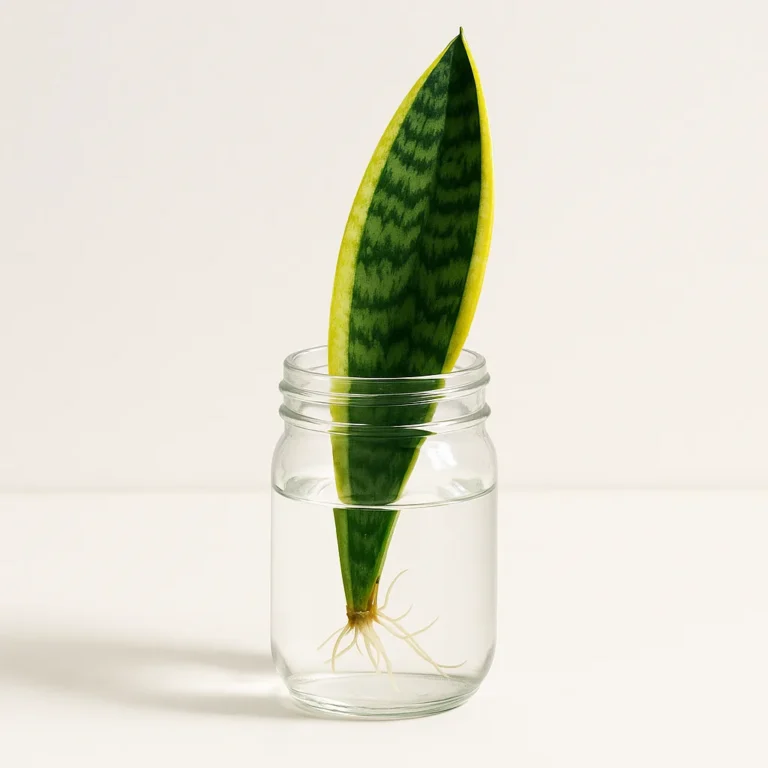
Propagation is easy and a great way to get free plants. The two main methods are division and leaf cuttings.
Division is the simplest. When you repot, separate the clumps (called pups) from the mother plant. Make sure each pup has roots attached.
Pot them in their own small container.
Leaf cuttings take longer but work well. Cut a healthy leaf into 3-4 inch sections, keeping track of which end is the bottom (the bottom goes into soil). Let the cut ends callous for a day or two, then stick them bottom-down in moist soil.
Roots form in 4-8 weeks.
Cleaning
Dust blocks light absorption. Wipe the leaves every few weeks with a damp cloth. Avoid leaf shine sprays, they clog pores.
Just water and a soft cloth.
No need to mist. Snake plants don’t need humidity. Misting can actually cause leaf issues if water sits in the leaf crevices.
Common Issues and How to Fix Them (Yellow Leaves, Drooping, Pests)
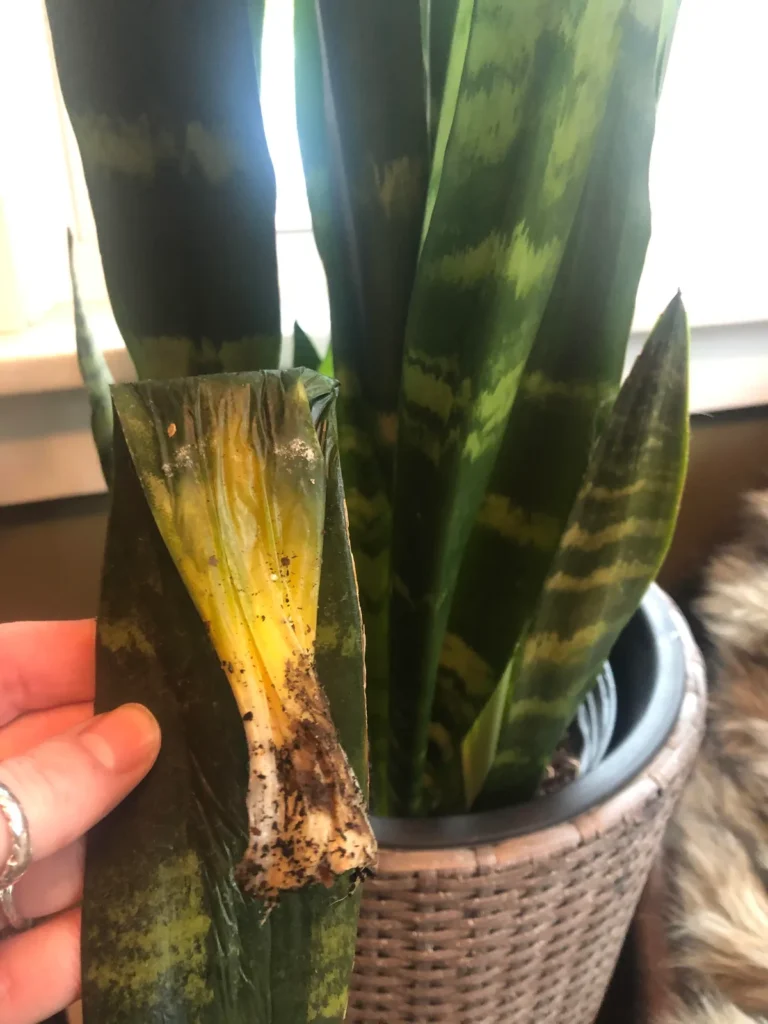
Yellow, mushy leaves
This is almost always overwatering. Stop watering immediately. Remove the plant from its pot and check the roots. If you need help identifying other symptoms, read our guide to snake plant leaves turning yellow.
Healthy roots are firm and white or light tan. Rotting roots are brown, black, and mushy. Cut away all rotten roots with clean scissors.
Repot in fresh, dry cactus mix. Water sparingly for the next month.
Drooping or falling over
Usually a sign of root rot (from overwatering) or that the plant is severely rootbound. Check roots as above. If roots are healthy but crowded, repot into a slightly larger pot. You can also explore these common causes of a drooping snake plant.
If the leaves are just heavy, they may need staking temporarily, but the underlying issue is usually moisture.
Brown leaf tips
This can be caused by fluoride or chemicals in tap water, dry air, or inconsistent watering. Switch to filtered or distilled water. Also, avoid letting the soil stay bone dry for too long then flooding it, keep a steady but infrequent rhythm.
Pests
Snake plants are generally pest-resistant. The most common troublemakers are mealybugs and spider mites, usually brought on by overwatering or stressed plants. Wipe leaves with a cotton swab dipped in rubbing alcohol.
For larger infestations, use insecticidal soap according to label directions. Isolate the plant until pests are gone.
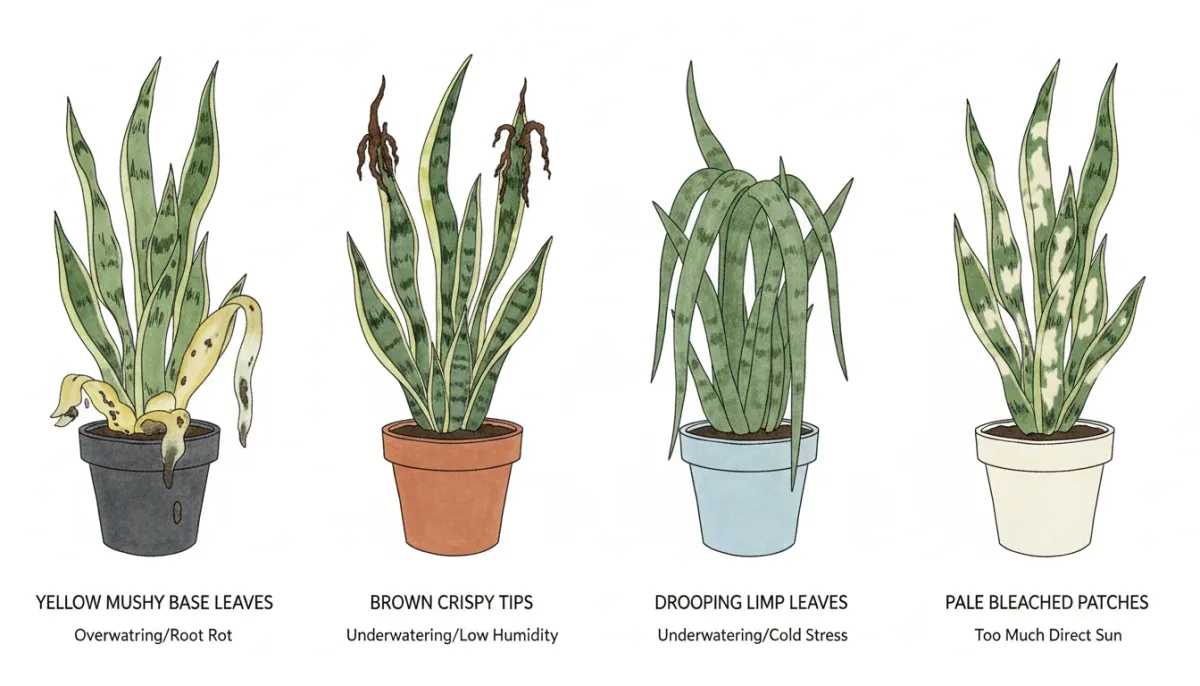
Image source: Web (Bing) / bloomingexpert.com (Web image (fair-use with source credit))
Other issues
- Leaf splitting or cracking: Usually physical damage or drastic changes in temperature. Keep the plant away from cold drafts and heating vents.
- Slow or no growth: Normal in low light. If you want faster growth, move it to a brighter spot. Otherwise, don’t worry.
- White crust on top of soil: Mineral buildup from tap water. Scrape off the top inch of soil and replace with fresh mix. Use filtered water going forward.
| Symptom | Most Likely Cause | Quick Fix |
|---|---|---|
| Yellow, mushy leaves | Overwatering | Stop water, check roots, repot |
| Drooping leaves | Root rot or rootbound | Check roots, repot if needed |
| Brown leaf tips | Tap water chemicals or dry air | Use filtered water, increase humidity slightly |
| Pests (mealybugs, mites) | Overwatering, stress | Wipe with alcohol, use insecticidal soap |
| No growth | Low light or dormant season | Move to brighter spot, or accept slow growth |
The ASPCA notes that snake plants are toxic to cats and toxic to dogs if ingested, causing nausea and vomiting. Keep them out of reach of pets. For humans, the toxicity is low, but it’s wise to handle with care.
For official snake plant care guidelines, check the University of Florida IFAS Extension resources on Sansevieria.
Now proceed to the final section: FAQ, Quick Answers for Snake Plant Beginners. Since this batch requires the first 5 H2 sections, and the FAQ is the 6th H2, I’ll stop here. The FAQ will be written in a separate call.
Frequently Asked Questions
Can I keep a snake plant in a windowless bathroom?
Yes, but only if there’s enough artificial light or if you rotate it to a window every few weeks. A snake plant can survive on fluorescent or LED office lighting for months. In very low light, water even less often (every 4 to 6 weeks).
How do I know if my snake plant needs water?
Check the soil two inches deep with your finger. If it feels dry, it’s safe to water. Also look at the leaves.
If they feel firm, the plant is fine. If they start to pucker or wrinkle slightly, it’s ready for a drink.
Should I cut off yellow snake plant leaves?
Yes, remove yellow or mushy leaves with clean scissors. Cut as close to the soil line as possible. This stops rot from spreading and lets the plant focus energy on healthy growth. Follow our guide on how to trim a snake plant for more detailed steps.
If the leaf is only yellow at the tip, just trim the tip.
Why is my snake plant not growing?
Low light is the most common reason. Snake plants grow slowly by nature. In very low light, they may stay the same size for months.
Move it to brighter indirect light to encourage growth. Also check that it’s not rootbound.
Is snake plant safe for pets?
No. The ASPCA lists snake plants as toxic to cats and dogs. If ingested, they can cause nausea, vomiting, and drooling.
Keep it on a high shelf or in a room your pet can’t access. If you suspect poisoning, contact your vet.
How long can a snake plant go without water?
In low light and a cool room, a healthy snake plant can survive four to six weeks without water. In bright light, two to three weeks is more typical. The plant’s thick leaves store water, so it handles dry spells much better than wet soil.