Best Cactus Soil Mix for Thriving Snake Plants
You’ve probably heard that cactus soil for snake plant care is a smart choice, but straight cactus mix can actually backfire if you’re growing indoors. Snake plants (Dracaena trifasciata, formerly Sansevieria) tolerate drought beautifully, yet they’re not true desert cacti. Most indoor setups need a blend that drains fast but holds just enough moisture to support steady growth without triggering root rot.
Research across university extension horticulture programs confirms that soil drying time is the key variable. A mix that stays wet longer than seven days in a typical indoor pot creates the soggy conditions that rot snake plant rhizomes. Here’s how to decide whether pure cactus soil works for your situation, or when a simple amendment makes all the difference.
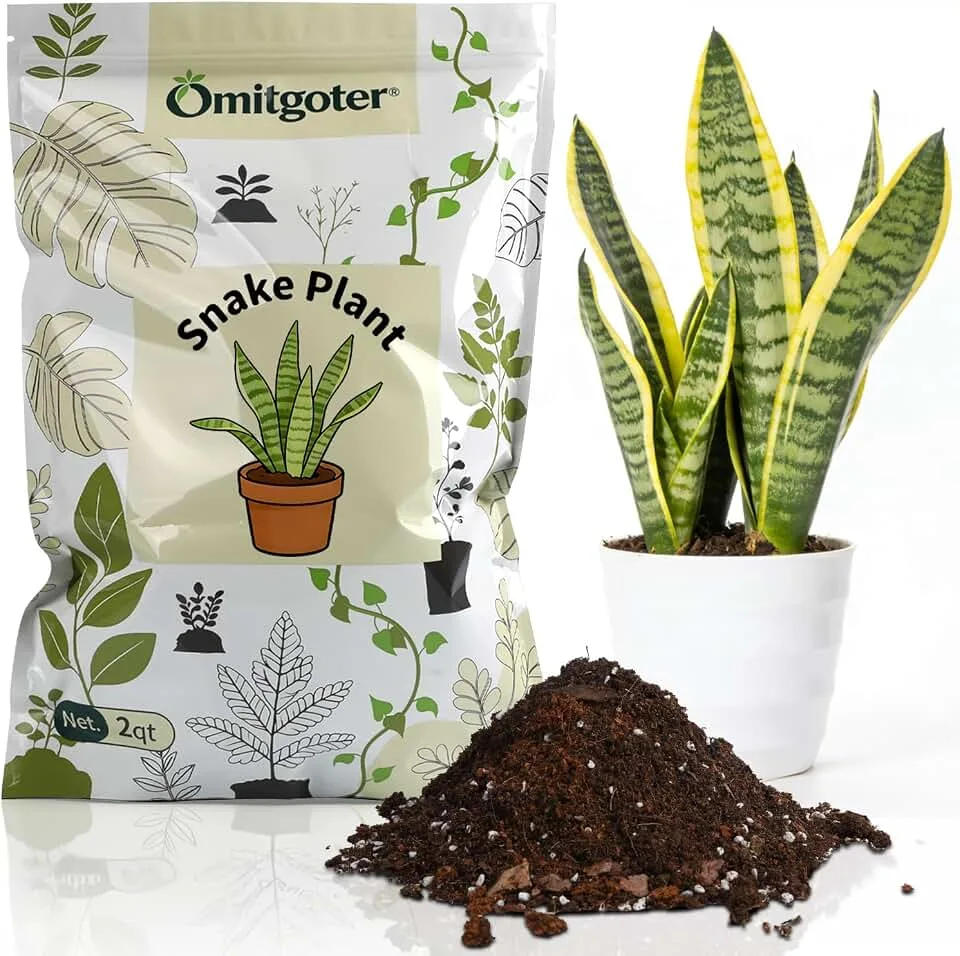
Image source: Bing (Web (fair-use with source credit))
Quick Answer
Cactus soil works well for snake plants when you amend it. Pure cactus mix drains too fast indoors for most growers. Mix three parts cactus soil with one part standard potting mix.
This blend prevents root rot while holding enough moisture between waterings. Skip amendments only if you use terracotta pots, bright light, and low humidity.
Why Cactus Soil Works for Snake Plants (and When It Doesn’t)
Snake plants evolved in arid West African habitats where rainfall is sporadic and soil drains quickly. That’s why heavy, moisture-retentive all-purpose potting soil often causes more problems than it solves. Cactus soil mimics those fast-draining conditions by using larger particles, more inorganic matter like perlite or pumice, and less peat or coir.
The drainage advantage is real. Standard houseplant soil can stay damp for ten to fourteen days in a plastic pot indoors, giving root-rot pathogens plenty of time to thrive. Cactus mix typically dries in three to five days, cutting that window dramatically.
Faster dry-down means you can water more confidently without second-guessing whether the roots are sitting in soggy media.
But indoor conditions differ from outdoor desert gardens. Most homes maintain moderate humidity, filtered light, and plastic or ceramic pots that slow evaporation. In that environment, pure cactus soil can dry so fast that growth stalls.
The rhizomes and roots still need some moisture reserve between waterings. A bone-dry mix forces you to water every few days, which defeats the low-maintenance appeal of snake plants.
Three variables decide whether you need pure or amended cactus soil:
- Pot material. Terracotta wicks moisture through its walls. Plastic or glazed ceramic traps it.
- Light level. Bright indirect or direct sun increases transpiration and speeds drying. Low light slows it.
- Local humidity. Arid climates (Southwestern US, heated winter interiors) let soil dry faster. Humid regions (Southeastern US, coastal areas) keep it damp longer.
If you check two or more of the fast-drying boxes (terracotta, bright light, low humidity), pure cactus mix is safe. Otherwise, blend it with a bit of standard potting soil to slow the dry-down just enough.
What’s Actually in Cactus Soil, and Why Snake Plants Care
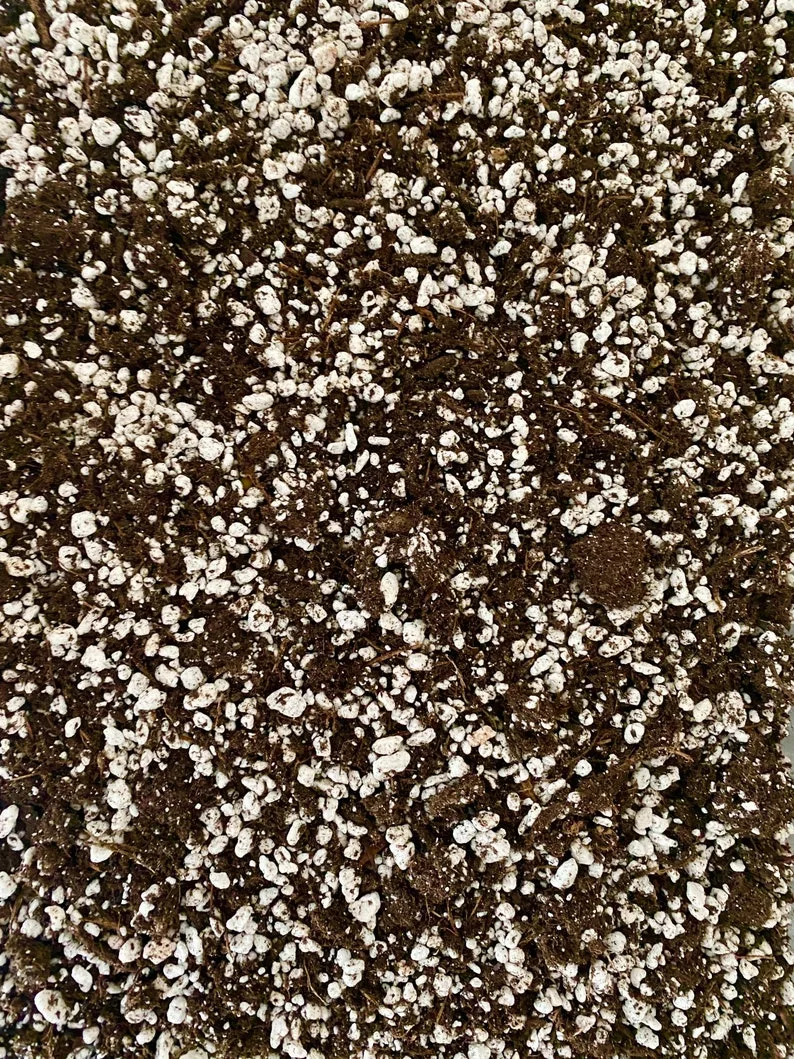
Image source: Bing (Web (fair-use with source credit))
Cactus potting mix is engineered for plants that hate wet feet. You’ll find three main ingredient categories in every bagged blend.
Inorganic amendments make up the largest share. Perlite, pumice, coarse horticultural sand, and sometimes fine gravel or lava rock create large air pockets and prevent compaction. These materials don’t hold water, so they let excess drain straight through.
Perlite is the most common because it’s lightweight and cheap, but pumice is heavier and more durable if you’re mixing your own blend.
Organic matter still appears, just in smaller amounts than standard potting soil. You might see pine bark fines, a little peat moss, or coconut coir. These components hold some moisture and provide trace nutrients as they slowly break down.
The ratio is the key difference. All-purpose soil might be sixty to seventy percent organic matter. Cactus mix flips that, often running seventy to eighty percent inorganic.
Optional extras vary by brand. Some blends include a pinch of compost or worm castings for slow-release fertility. Others add activated charcoal to absorb odors and reduce fungal issues.
A few specialty mixes skip peat entirely and use only coir, bark, and mineral grit.
Snake plants care about this composition because their thick rhizomes and fleshy roots store water internally. They’re built to survive weeks of drought, but they can’t tolerate prolonged saturation. When soil stays wet, the rhizome tissue turns mushy and brown.
Roots rot from the tips inward. Once rot sets in, it spreads fast. Cactus soil’s coarse texture and rapid drainage keep oxygen flowing to the roots, which is just as important as managing moisture.
One specification to watch is particle size. Finer cactus mixes, often labeled for seedlings or small succulents, compact more easily and drain slower. For mature snake plants, look for blends with visible chunky perlite or bark.
If you scoop a handful and it clumps into a ball, it’s too fine. It should crumble apart the moment you release pressure.
When to Use Pure Cactus Mix vs. When to Amend It
Deciding between straight cactus soil and an amended blend comes down to your specific growing conditions. Here’s the decision tree.
Pure Cactus Soil: Best For These Conditions
Use pure cactus mix without amendments when at least two of these apply. First, you’re growing in unglazed terracotta pots. The porous clay pulls moisture through the walls, doubling evaporation speed compared to plastic.
Second, your snake plant sits in bright indirect or direct sun for several hours daily. High light drives transpiration, so the plant pulls water from the soil faster. Third, your indoor humidity stays below forty percent year-round, common in arid climates or homes with forced-air heating.
Lastly, you’re a chronic overwaterer who struggles to let soil dry between sessions. Pure cactus mix gives you a bigger margin for error.
Pure mix also works well if you’re rooting snake plant pups or leaf cuttings. New roots are extra vulnerable to rot, so lean, fast-draining media keeps them safe while they establish. Once the pup grows a solid root system, you can transition to a richer blend if needed.
One caution: if you live in a humid region and use pure cactus soil in plastic pots under low light, you might see slow growth or crispy leaf tips. The plant can’t access moisture fast enough between waterings. If you notice stunted growth despite correct watering frequency, switch to an amended mix.
Amended Cactus Mix: Better for Most Indoor Growers
Most indoor snake plant owners get better results with a simple amendment. Mixing three parts bagged cactus soil with one part standard potting mix gives you the drainage you need and just enough moisture retention to support steady growth.
This ratio works because the potting soil contributes organic matter and fine particles that fill some of the large air gaps in cactus mix. Your soil still dries in five to seven days, fast enough to prevent rot, but the plant has a small moisture buffer between waterings. That buffer matters if you water every two to three weeks, the typical indoor schedule.
You can adjust the ratio based on observation. If the soil dries in three days and you’re watering twice a week, bump the potting soil up to one part cactus, one part potting mix. If it’s still damp at ten days, reduce the potting soil or add an extra handful of perlite.
Amendment also helps if you’re using standard houseplant care practices like bottom watering or seasonal feeding. Pure cactus mix can flush nutrients through before the roots absorb them. A bit of organic matter slows that leaching.
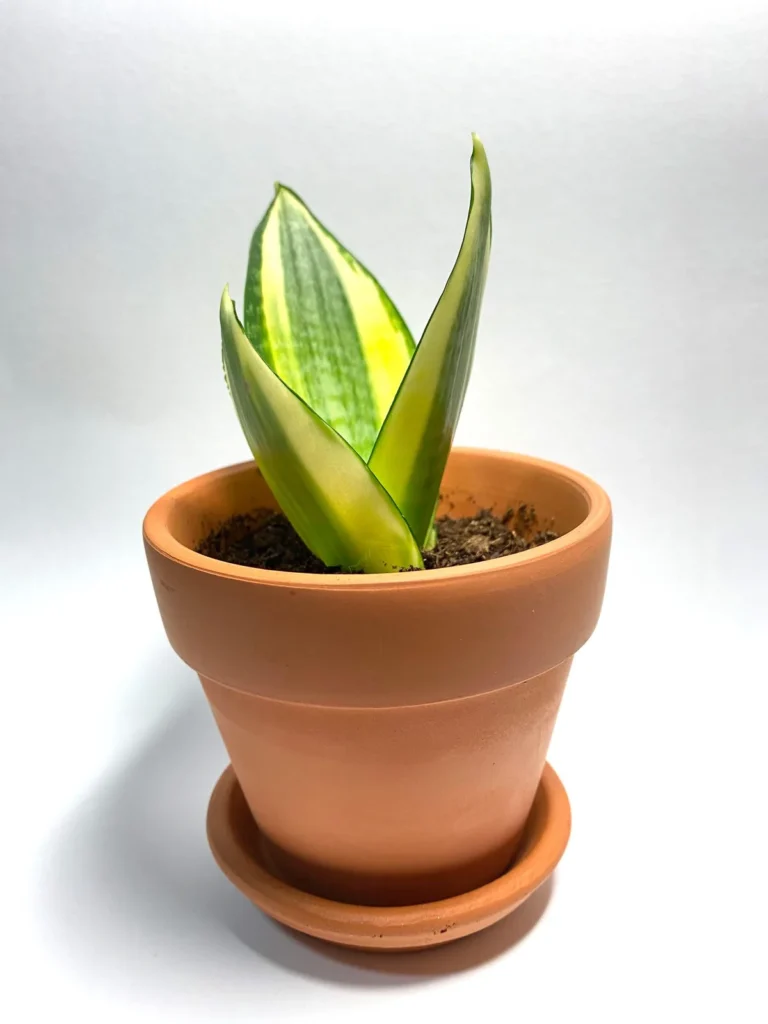
For variegated varieties like Moonshine or Laurentii, the amended blend supports the slightly higher moisture needs that keep variegation crisp. Variegated snake plants photosynthesize less efficiently, so they benefit from consistent (not soggy) moisture access.
How to Mix the Right Soil Blend for Your Setup

Image source: Bing (Web (fair-use with source credit))
Mixing your own blend takes five minutes and gives you total control over drainage speed. Start with these base ingredients.
Base cactus soil. Any bagged cactus or succulent mix works. Brands like Hoffman, Espoma, or Miracle-Gro Cactus Mix are widely available. Check the ingredient list.
You want perlite or pumice in the top three components.
Standard potting mix. Use any all-purpose houseplant soil without added fertilizer. Skip moisture-control or water-retaining formulas, they defeat the purpose.
Optional boosters. Extra perlite or pumice lets you dial up drainage if the base mix feels too heavy. Coarse horticultural sand (not beach sand, which contains salt) adds weight and prevents light mixes from floating when you water. A handful of pine bark fines improves aeration without adding much water retention.
Here’s the simplest recipe for indoor growers:
| Ingredient | Parts | Purpose |
|---|---|---|
| Cactus soil | 3 | Fast drainage, aeration |
| Potting mix | 1 | Moisture buffer, nutrients |
| Extra perlite | 0.5 | Optional, boosts drainage |
Measure by volume, not weight. A standard houseplant measuring cup or small scoop works fine. Pour everything into a bucket or large bin.
Mix thoroughly with your hands or a trowel until you see even distribution of particles. You shouldn’t spot clumps of pure potting soil or pockets of pure perlite.
Test the texture by squeezing a handful. It should hold shape briefly when compressed, then crumble apart when you poke it. If it stays in a tight ball, add more cactus mix or perlite.
If it falls apart instantly and feels dusty, add a bit more potting soil.
Once mixed, wet the blend lightly before potting. Bone-dry cactus soil can become hydrophobic, meaning water beads up and runs off instead of soaking in. Spritz it with water and toss until evenly damp, not soaking.
This primes the organic matter to absorb moisture when you water after repotting.
Store any leftover mix in a sealed bin or bag. It stays good for months. If you notice a musty smell, spread it out to dry before using.
You can learn more about choosing the right texture for different varieties.
Cactus Soil vs. Standard Potting Mix: What Changes for Snake Plants
Switching from all-purpose soil to cactus-based mix changes three things that directly affect snake plant health.
Watering frequency drops. Standard potting soil in a six-inch plastic pot might need water every ten to fourteen days indoors. The same pot with cactus mix dries in five to seven days if amended, three to five if pure. You’ll water less often by volume, but you need to check the soil more frequently at first to learn the new rhythm.
Stick your finger two inches down. If it’s dry at that depth, it’s time. If you’re already struggling with watering habits, the faster dry-down actually helps because wet soil is the bigger danger.
Root health improves visibly. Snake plants grown in heavy soil often develop a sparse, shallow root system because the lower half of the pot stays anaerobic. When you repot into cactus mix, roots spread more evenly and grow thicker. You’ll see white or cream-colored healthy roots instead of brown mushy ones.
The rhizome stays firm and plump. If you’ve dealt with yellow leaves from root issues, the soil switch often solves it within one growing season.
Nutrient availability shifts. Cactus soil contains less organic matter, so it holds fewer nutrients. Snake plants are light feeders and store reserves in their leaves, so this rarely causes problems. But if you notice pale new growth or slow development after a year in pure cactus mix, feed lightly during spring and summer.
A diluted liquid houseplant fertilizer at half strength every six to eight weeks is enough. Alternatively, top-dress with a thin layer of compost or worm castings once in early spring. That slow-release nutrition complements the lean base mix without risking buildup.
One detail growers overlook is pH. Standard potting soil often runs slightly acidic, around 5.5 to 6.5, because of the peat content. Cactus mixes with more pumice or sand tend toward neutral, closer to 6.5 to 7.0.
Snake plants tolerate a wide pH range, but they absorb iron and other micronutrients more efficiently in the 6.0 to 7.0 window. If you’ve seen slow or stunted growth that doesn’t improve with better light or watering, pH could be the missing piece.
Mistakes That Turn Good Soil Into a Root Rot Problem
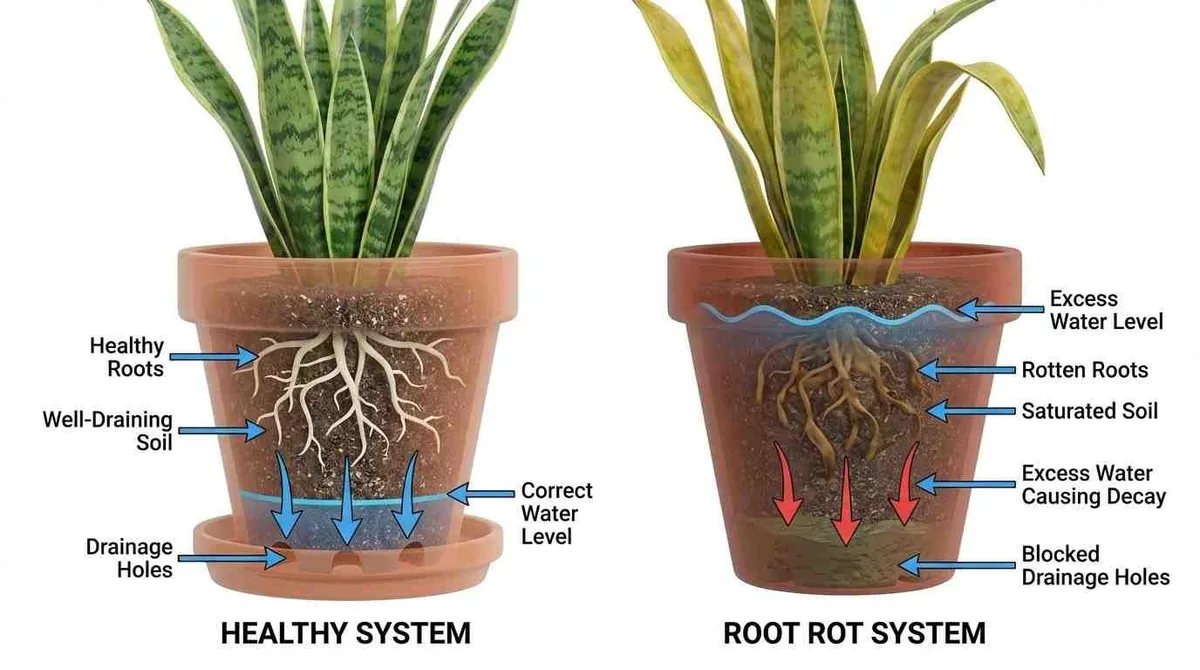
Image source: Bing (Web (fair-use with source credit))
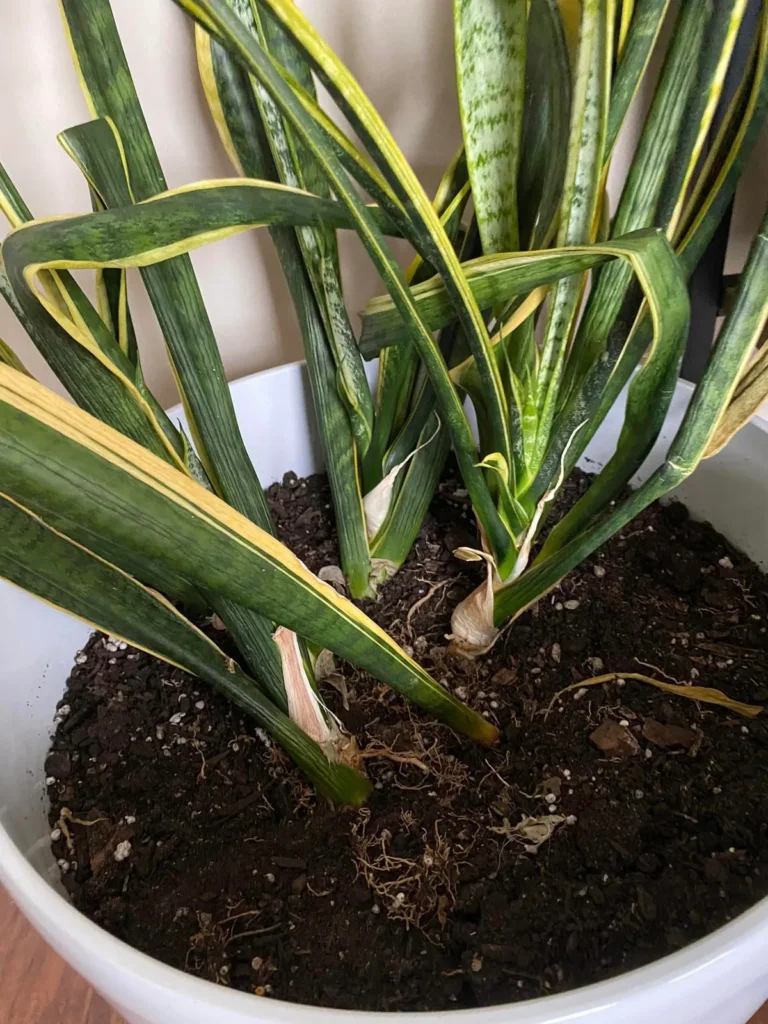
Even the best cactus mix won’t save your snake plant if you make these common errors. The first mistake is skipping the drainage hole check. Decorative pots without holes trap water at the bottom, creating a hidden swamp below the root zone.
Cactus soil drains fast at the surface, so you assume everything is fine. Meanwhile, the bottom three inches stay saturated for weeks. Always use pots with at least one center hole, or double-pot by nesting a plastic nursery pot inside the decorative container.
Watering on a fixed schedule is the second trap. Calendar-based watering ignores how quickly your specific mix dries under your conditions. During winter, when growth slows and indoor humidity drops, soil can take twice as long to dry.
Watering every two weeks year-round means you’re overwatering half the year. Check soil moisture by feel every time, not by date.
Adding a drainage layer of rocks or gravel at the pot bottom actually makes things worse. Research from horticultural extension programs confirms that gravel layers create a perched water table, a zone where water stalls instead of draining. The soil above the rocks stays wetter longer because capillary action can’t pull moisture down into the coarse layer.
Skip the rocks entirely. Fill the pot with your cactus blend straight to the drainage hole.
Using soil that’s too fine for the pot size is another issue. Small pots (four inches or less) dry fast even with standard soil, so beginners assume they can use heavier mixes. But once you move up to eight or ten-inch pots, that same fine-textured soil compacts under its own weight and traps moisture at the center.
Match your mix to pot size. Larger pots need chunkier blends.
Repotting into dry soil and waiting days to water causes hydrophobic conditions. Bone-dry cactus mix, especially if it contains peat or coir, can repel water when you finally do water. The liquid runs down the gap between soil and pot wall without soaking in.
Lightly moisten your blend before potting, or water immediately after repotting and check that the entire root ball gets wet. If water runs straight through in seconds, the soil is hydrophobic. Bottom-water the pot for twenty minutes to force absorption.
Finally, ignoring root inspection during repotting hides rot until it’s too late. Healthy snake plant roots are white to cream-colored and firm. Brown, mushy, or hollow roots signal rot.
If you spot damage, trim it away with clean shears before repotting. Leaving rotted tissue in new soil just spreads the problem. You can find more details on addressing drooping symptoms tied to root health.
Frequently Asked Questions
Can I use cactus soil straight from the bag for snake plants?
Yes, if you grow in terracotta pots under bright light with low humidity. Those conditions dry soil fast enough that pure cactus mix works well. For most indoor setups with plastic pots and moderate light, amend the cactus soil with one part standard potting mix to three parts cactus mix.
That blend prevents the mix from drying too quickly between waterings.
How often should I water snake plants in cactus soil?
Watering frequency depends on your mix and conditions, not a fixed schedule. Amended cactus blends typically dry in five to seven days indoors, so you’ll water every two to three weeks. Pure cactus mix can dry in three to five days, requiring weekly checks.
Always test soil moisture two inches down before watering. If it feels damp, wait.
Will cactus soil help fix root rot in my snake plant?
Switching to cactus soil helps prevent future rot but won’t reverse existing damage. If your plant already has mushy brown roots, remove it from the pot and trim away all rotted tissue with sterilized shears. Repot into fresh cactus mix and water sparingly until new roots form.
Proper watering techniques after repotting are critical to recovery.
Can I mix my own cactus soil cheaper than buying it?
Buying ingredients in bulk saves money if you’re potting multiple plants. A basic DIY blend costs twelve to twenty dollars for enough components to fill six to eight medium pots. Bagged cactus mix runs eight to fifteen dollars for a sixteen-quart bag, enough for three to four pots.
If you only need one pot’s worth, bagged is easier. For larger projects or ongoing use, mixing your own gives better value and control.
Does cactus soil need fertilizer for snake plants?
Snake plants are light feeders, so cactus soil’s low nutrient content rarely causes problems. Feed once in early spring and once in midsummer with diluted liquid houseplant fertilizer at half strength. Skip feeding entirely during fall and winter when growth slows.
If you prefer organic options, top-dress with a thin layer of compost or worm castings in spring. Avoid high-nitrogen fertilizers, which can weaken variegated patterns and make leaves floppy.
What’s the best pot material to pair with cactus soil?
Terracotta pairs beautifully with cactus soil because the porous clay wicks moisture, speeding dry-down and reducing overwatering risk. Plastic or glazed ceramic pots work fine if you use an amended cactus mix and monitor moisture carefully. Avoid pots without drainage holes regardless of material.
For outdoor growing conditions, terracotta also insulates roots better during temperature swings.