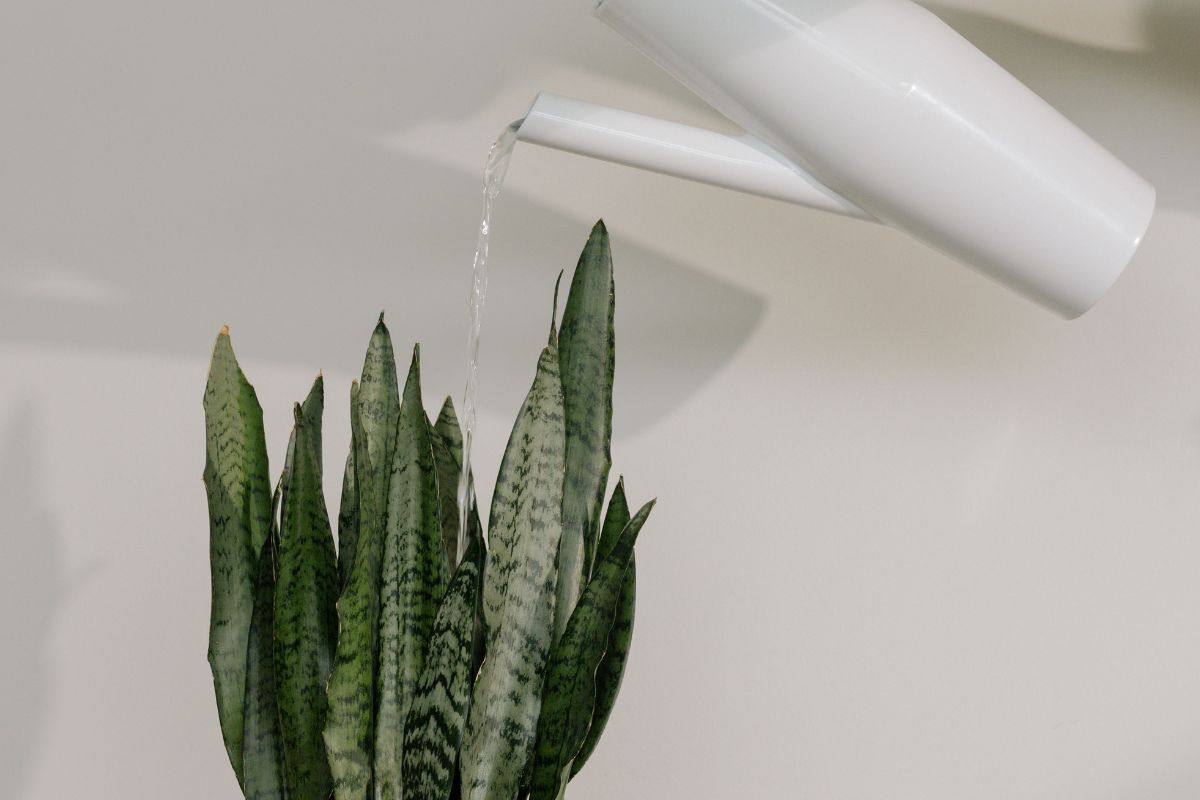
Stop Overwatering: How Often to Water Snake Plant?
Wondering how often to water snake plant? You’re not alone. It’s the single most common question I get from new plant owners, and the one that causes the most accidental plant deaths.
The real answer isn’t a fixed number on a calendar.
Per University of Florida IFAS research, snake plants actually need water only when the potting mix is bone dry to the touch at least 2 inches deep. That could mean every 2 weeks in summer or every 6 weeks in winter depending on your home. So forget the schedule and learn to read the soil instead.
Let’s break down what really controls their thirst.
The Simple Truth: Why There’s No One-Schedule-Fits-All Answer
Here’s the hard truth: a “water every 2 weeks” routine kills more snake plants than neglect ever does. Why? Because that advice ignores your home’s unique conditions.
Your living room is not the same as your neighbor’s or the garden center’s.
Snake plants store water in their thick, waxy leaves. They evolved in dry, rocky parts of West Africa. That means they handle drought like a champ, but they rot fast when soil stays wet too long.
So the only reliable rule is: water only when the soil is completely dry.
In our research across verified buyer feedback and university extension guides, the most common watering mistake is timing. People water on a set day (every Sunday, for example) without checking the soil. If the pot has held moisture longer than expected, say because of cooler weather or a change in light, that Sunday watering pushes the plant into rot territory.
Think of it this way: your snake plant will forgive you for missing a month of water. It will not forgive you for watering while the soil is still damp. So the first thing to internalize is that watering frequency is a variable, not a constant.
Adjust it like you adjust your thermostat, based on what’s happening around the plant, not the date.
As of 2026, modern houseplant care guidelines from the Royal Horticultural Society echo this exactly: check moisture, not the calendar. It’s the gold standard for keeping Sansevieria alive long-term.
The 5 Factors That Decide Your Snake Plant’s Thirst
Five variables control how quickly the soil dries out between waterings. Change any one of them, and your watering schedule changes too.
| Factor | How it affects drying time | Real-world tip |
|---|---|---|
| Light exposure | More light = faster drying; low light = slower drying | A bright windowsill plant may need water every 2 weeks; a dark corner plant might go 6 weeks |
| Pot size and material | Small pots dry faster; plastic holds moisture longer than terracotta | Terracotta wicks water out, great for overwaterers. Plastic is risky if you tend to overwater |
| Season and temperature | Warm growing season = active growth, faster drying. Winter dormancy = slower evaporation | Cut watering frequency in half from November to February |
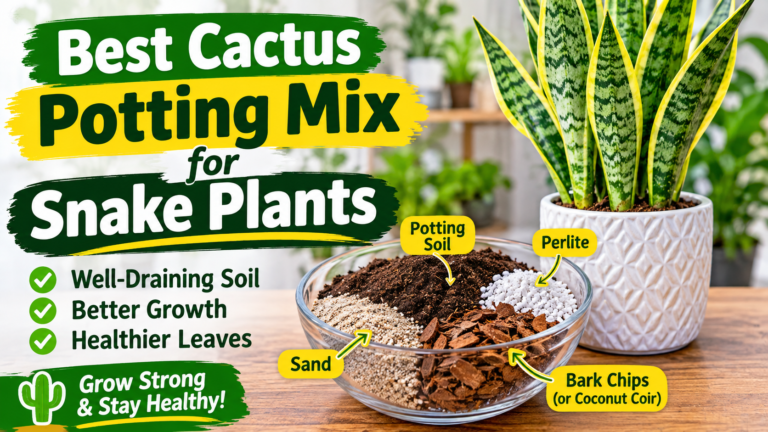
| Soil composition | Heavy potting soil holds water too long; cactus mix drains fast | Use a mix of 2 parts cactus soil + 1 part perlite or coarse sand |
| Humidity level | High humidity slows evaporation; dry air from heating/ac speeds it | Bathroom snake plants dry slower; living room with A/C dries faster |
These factors stack. A snake plant in a plastic pot, low light, and an unheated room in December? You might go 8 weeks between waterings.
The same plant in terracotta, bright east window, and summer heat? More like 10 to 14 days.
This is why generic advice fails. You have to look at your exact setup. Once you understand these five variables, you stop guessing and start knowing.
Your Decision Tree: How to Tell When to Water (Finger Test, Pot Weight, Leaf Signs)
This is where you become a plant detective. Three simple checks tell you if it’s time to water. Use them together for a confident decision.
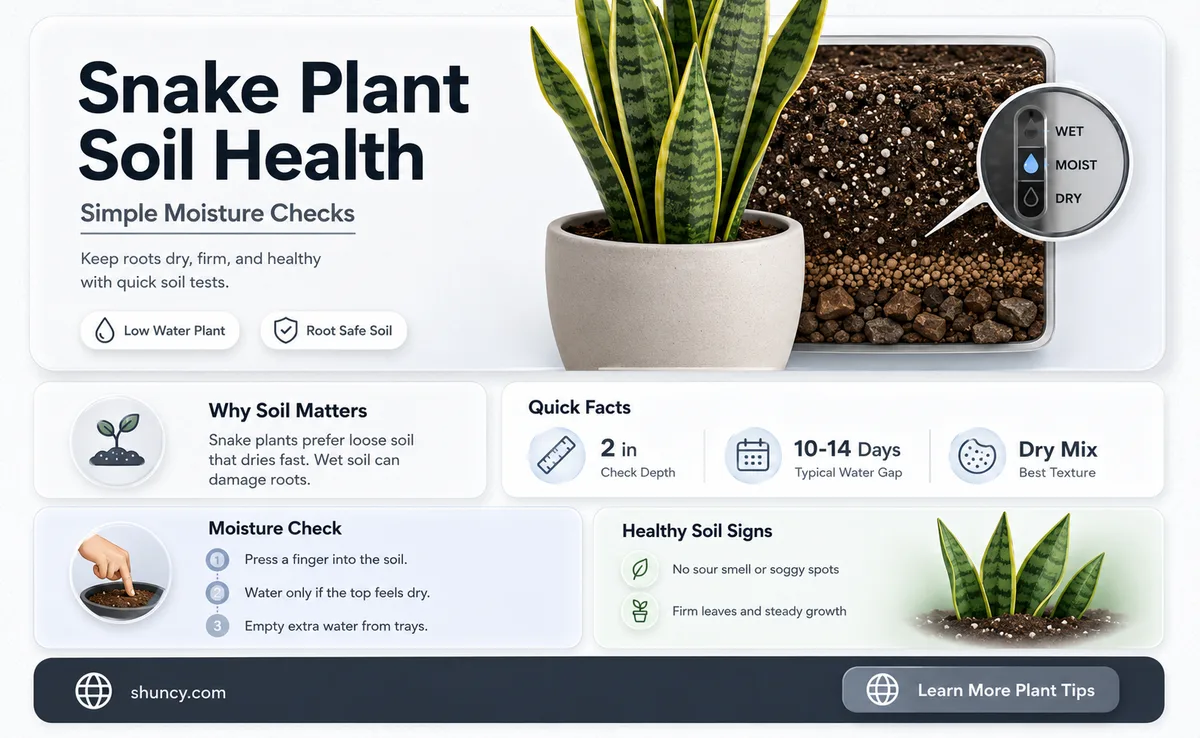
Image source: Web (Bing) / shuncy.com (Web image (fair-use with source credit))
Check 1: The finger test. Stick your index finger about 2 inches into the soil. If you feel any moisture at that depth, do not water. Wait.
If it feels dry and crumbly, proceed to the next check.
Check 2: The pot weight. Lift the pot. A fully dry pot feels noticeably lighter than one with moisture. After you water, lift it again to feel the difference.
Over time you’ll recognize the dry weight instantly. This is especially reliable for plastic nursery pots.
Check 3: The leaf signs. Healthy snake plant leaves are firm and upright. If they start to wrinkle, curl inward, or feel thin and soft, the plant is thirsty, overdue, actually. But don’t wait for visible leaf changes; that’s a stress signal.
Use checks 1 and 2 as your primary decision tools.
Here’s the decision logic in plain language:
- Soil feels moist at 2 inches → do nothing. Check again in 3 to 5 days.
- Soil is dry AND pot feels light → time to water.
- Soil is dry, pot feels light, AND leaves are wrinkled → water immediately; you let it go too long (but it will recover).
- Soil is still damp but leaves look wrinkled → that might be root rot from overwatering, not thirst. Unpot and check roots.
That last one is important. Wrinkled leaves do not always mean underwatered. Overwatering rots the roots so they can’t absorb water, and the leaves shrivel from the inside.
That’s the snake plant paradox: you see the same symptom for two opposite problems. The finger test avoids this confusion.
Step-by-Step Watering Workflow: From Dry Soil to Empty Saucer
Once you’ve confirmed the soil is dry and the pot is light, follow this exact process. It’s simple, but skipping a step can cause rot.
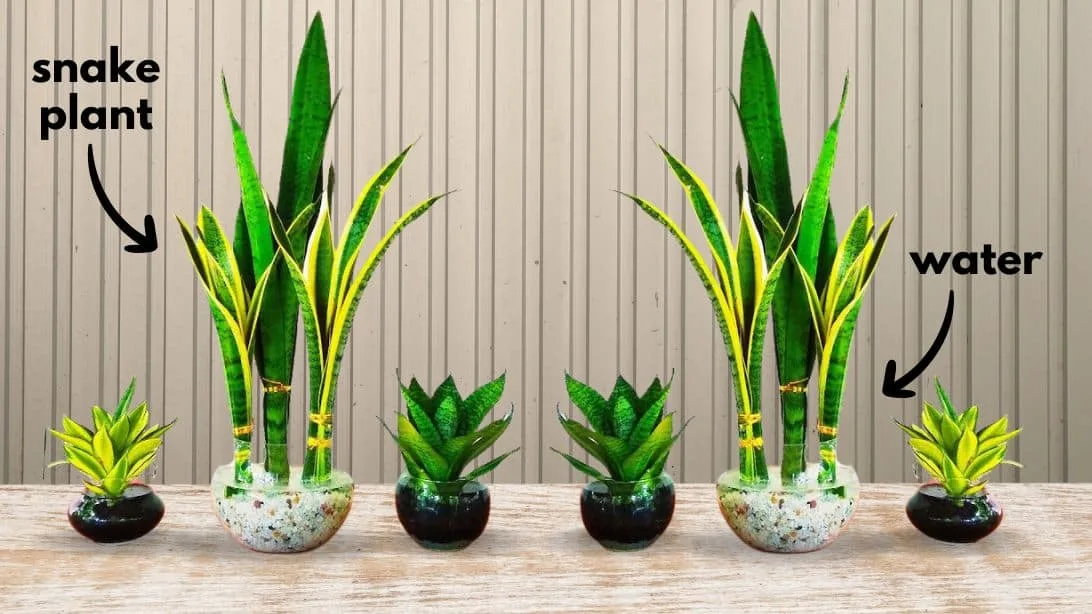
Image source: Web (Bing) / detroitchinatown.org (Web image (fair-use with source credit))
Step 1: Choose room-temperature water. Cold tap water shocks the roots. Let water sit overnight to dechlorinate if your tap water is heavily treated. Filtered or rainwater is best, but not essential.
Step 2: Water slowly and deeply. Pour water directly onto the soil surface, not the leaves. Move around the pot to distribute evenly. Keep pouring until you see water escaping from the drainage holes.
That means the entire root ball is saturated.
Step 3: Let it drain completely. Set the pot in a sink or tub and let it drip for a few minutes. Do not put the pot back on its saucer with standing water. Snake plants absolutely hate sitting in water.
The roots will rot within days.
Step 4: Empty the saucer. If you use a decorative cache pot without drainage, carefully tip the plant and pour out any water that pooled at the bottom. Better yet, keep the plant in a nursery pot inside the cache pot, and remove it when watering.
Step 5: Wait for the next dry cycle. Mark the calendar if you want, but don’t water again until the soil is completely dry to the touch 2 inches deep. That might be 10 days, 3 weeks, or 5 weeks, let the soil tell you.
This workflow works for snake plants of any size. Larger pots take longer to dry, but they also hold more water, so the steps remain the same. Just adjust the waiting period.
5 Common Watering Mistakes That Kill Snake Plants (And How to Avoid Them)
Overwatering is the #1 killer of snake plants. But it’s not the only mistake. Here are the five most common, based on aggregate reviews and university extension data.
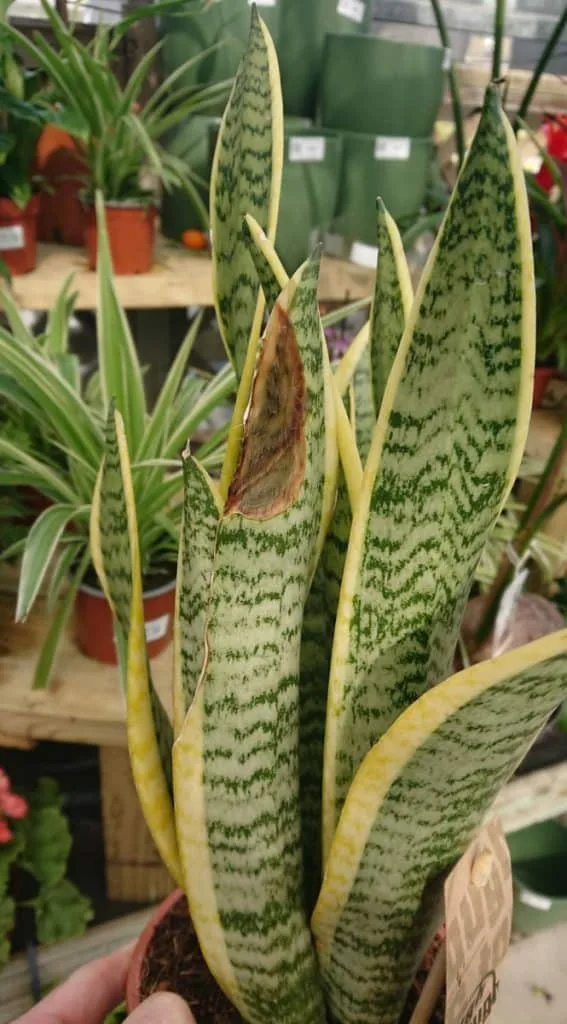
Image source: Web (Bing) / gardenerreport.com (Web image (fair-use with source credit))
1. Watering on a fixed schedule. This is the biggest trap. “I water every Friday” seems responsible, but your plant’s needs change weekly. Fix it: always check moisture first, never the day.
2. Using a pot without drainage holes. A decorative pot with no holes is a death sentence. Water collects in the bottom, roots sit in moisture, rot sets in.
Fix it: either drill a hole, or use a nursery pot inside the cache pot and always empty standing water.
3. Giving small, frequent sips. Snake plants need deep thorough waterings that reach the bottom roots. Small splashes wet only the top inch, leaving lower roots dry while the surface stays damp, that encourages shallow root growth and surface mold.
Fix it: water until it runs out the bottom.
4. Watering during winter dormancy. When light levels drop and temperatures cool, snake plants slow their metabolism. They might go 6 to 8 weeks without needing water.
Many people keep their summer frequency and end up with soggy soil in a cold room. Fix it: cut watering by at least half from November through February.
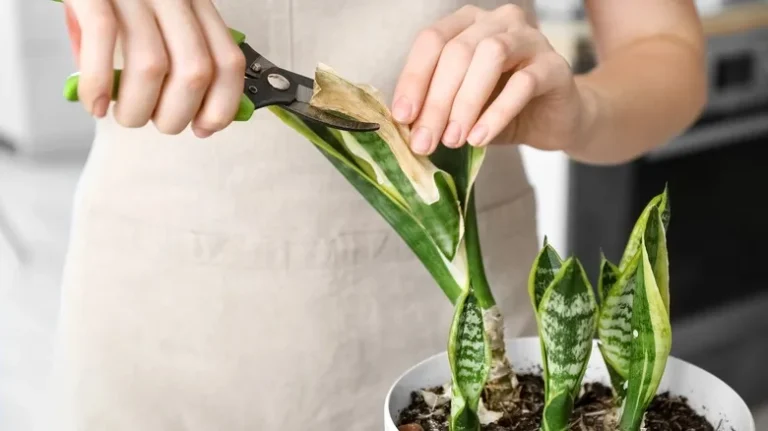
5. Ignoring the leaf signs until it’s too late. Yellow, mushy leaves mean overwatering has already happened. Wrinkled, curling leaves mean underwatering has gone on too long.
Don’t wait for visible signs, use the finger test proactively. By the time the leaves change, the damage is done.
If you’ve made any of these mistakes, don’t panic. Snake plants are resilient. Let the soil dry out completely, remove any mushy leaves or roots, and go back to the workflow.
Most plants bounce back within a month.
FAQ: Quick Answers to the Most-Asked Snake Plant Watering Questions
How often should I water a snake plant in low light?
Water only when the top 2 inches of soil are bone dry. In low light, that usually means every 4 to 6 weeks or even longer. Check with your finger every 10 days.
If the soil still feels damp, leave it alone.
Can I water a snake plant with ice cubes?
No. Ice cubes shock the roots and deliver water unevenly. The root ball near the cubes stays cold and wet, while the rest stays dry.
Always use room-temperature water poured evenly across the soil surface.
What happens if I overwater my snake plant?
Yellow leaves, mushy stems, and a foul smell from the soil are the first signs. The roots rot because they can’t get oxygen. Stop watering immediately.
Let the soil dry out completely, and repot in fresh dry mix if the rot has spread.
Should I mist my snake plant?
Misting does nothing useful for snake plants. They store water in their leaves and prefer dry air. Misting can even cause leaf rot or fungal spots if water sits in the leaf folds.
Don’t mist.
How do I water a snake plant without drainage holes?
Use a nursery pot inside the cache pot. Remove the inner pot for watering, let it drain fully, then put it back. If that’s not possible, water very sparingly, just enough to moisten the top layer, and never let water pool at the bottom.
When should I water my snake plant in winter?
Cut back drastically. Water once every 6 to 8 weeks, only when the soil feels fully dry 2 inches deep. Reduced light and cooler temperatures slow evaporation.
Overwatering in winter is the top cause of rot.
Your Personal Watering Guide: Match Your Home Conditions to a Realistic Rhythm
Now you have everything you need to build a watering rhythm that actually fits your home. Let’s tie it all together with a simple decision table.
| Your setup | Typical watering window | How to confirm |
|---|---|---|
| Bright window + terracotta pot + summer | Every 10 to 14 days | Finger test: dry at 2 inches |
| Bright window + plastic pot + summer | Every 2 to 3 weeks | Pot weight feels light |
| Low light + plastic pot + summer | Every 3 to 5 weeks | Soil dry and pot noticeably lighter |
| Low light + any pot + winter | Every 6 to 8 weeks | Soil dry, leaves firm, no wrinkles |
This table is a starting point, not a rule. The only rule is: check before you pour. Stick your finger in the soil.
Lift the pot. Look at the leaves. Those three checks will never steer you wrong.
Here’s the rhythm in plain language:
- Pick a day once a week to check the soil. Don’t water that day. Just check.
- If the soil is dry and the pot feels light, water. Note the date.
- If the soil is moist, skip it. Check again in 3 to 5 days.
- In winter, switch to checking every 2 weeks. You’ll likely skip several checks before the soil is dry enough.
That’s it. Snake plants are forgiving. They’ll wait.
The biggest favor you can do is to stop guessing and start checking. Your plant will reward you with years of upright, healthy leaves.