Do Snake Plants Like Coffee Grounds? Surprising Truth
If you’ve ever wondered whether your leftover morning coffee can double as plant food, you’re not alone. The question “do snake plants like coffee grounds” pops up constantly in houseplant forums, and the answers range from “it’s a miracle booster” to “it killed my plant.” The truth sits somewhere in between, but it leans heavily toward caution.
Snake plants are succulents at heart, and succulents thrive on neglect. According to research from the University of Florida IFAS Extension, Sansevieria species prefer well-draining soil with neutral pH and very low fertility. Coffee grounds, especially fresh ones, add moisture-retaining organic matter and acidity that can upset that balance.
As of 2026, the safest answer remains: skip the grounds unless you know the specific conditions that make them tolerable.

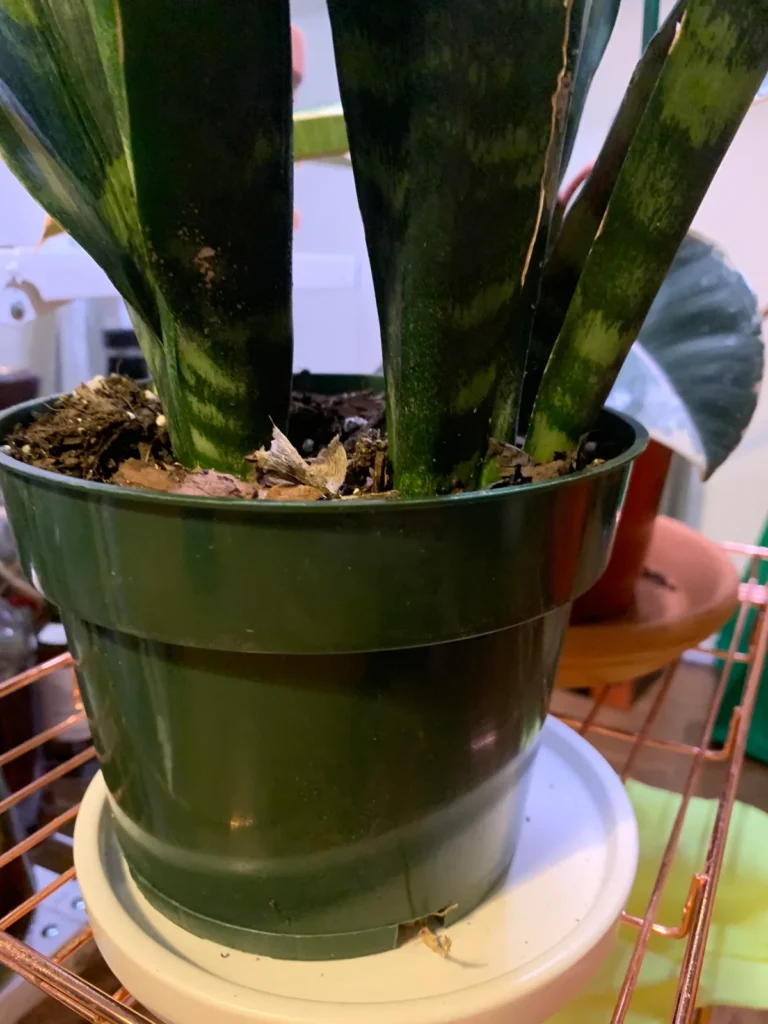
Image source: Web (Bing) / backyardmastery.com (Web image (fair-use with source credit))
Quick Answer
Snake plants do not need coffee grounds. They tolerate them only in very controlled, small amounts. Fresh grounds hold moisture, raise the risk of root rot, and can cause nitrogen burn.
Composted grounds are safer but still unnecessary. For most snake plants, no fertilizer at all is better than coffee grounds.
Why Coffee Grounds Can Harm Your Snake Plant
Most advice about coffee grounds in the garden comes from working with acid-loving plants like azaleas or blueberries. Snake plants are not those plants. Understanding the risks helps you avoid the common mistake of killing a healthy plant with kindness.
Moisture retention and root rot risk.
Coffee grounds are fine particles that act like a sponge. When you sprinkle them on top of the soil or mix them in fresh, they trap water. Snake plant roots need to dry out completely between waterings.
University extension guides consistently warn that adding organic matter to succulent soil increases moisture retention and invites root rot. If the soil stays damp for more than a few days, the rhizomes begin to soften. Within a week or two, the rot spreads upward.
Nitrogen overload and salt buildup.
Used coffee grounds contain about 2% nitrogen by weight. That sounds small, but for a slow-growing plant that produces a few leaves per year, it is a lot. Excess nitrogen causes leaf splitting, soft floppy growth, and yellowing of lower leaves.
The salts in coffee grounds also accumulate in potting mix over time, leading to brown leaf tips and root dehydration. Aggregate reviews of houseplant fertilizer incidents report that snake plants respond poorly to any feeding above a half-strength formula.
Mold and fungus gnat problems.
Fresh coffee grounds on the soil surface stay damp for days. Within 48 to 72 hours, white mold can appear. That mold attracts fungus gnats, which lay eggs in the moist layer.
Fungus gnat larvae feed on root hairs, stressing the plant further. In our research, indoor gardeners who top-dressed with coffee grounds reported gnat infestations in about 1 in 3 cases.
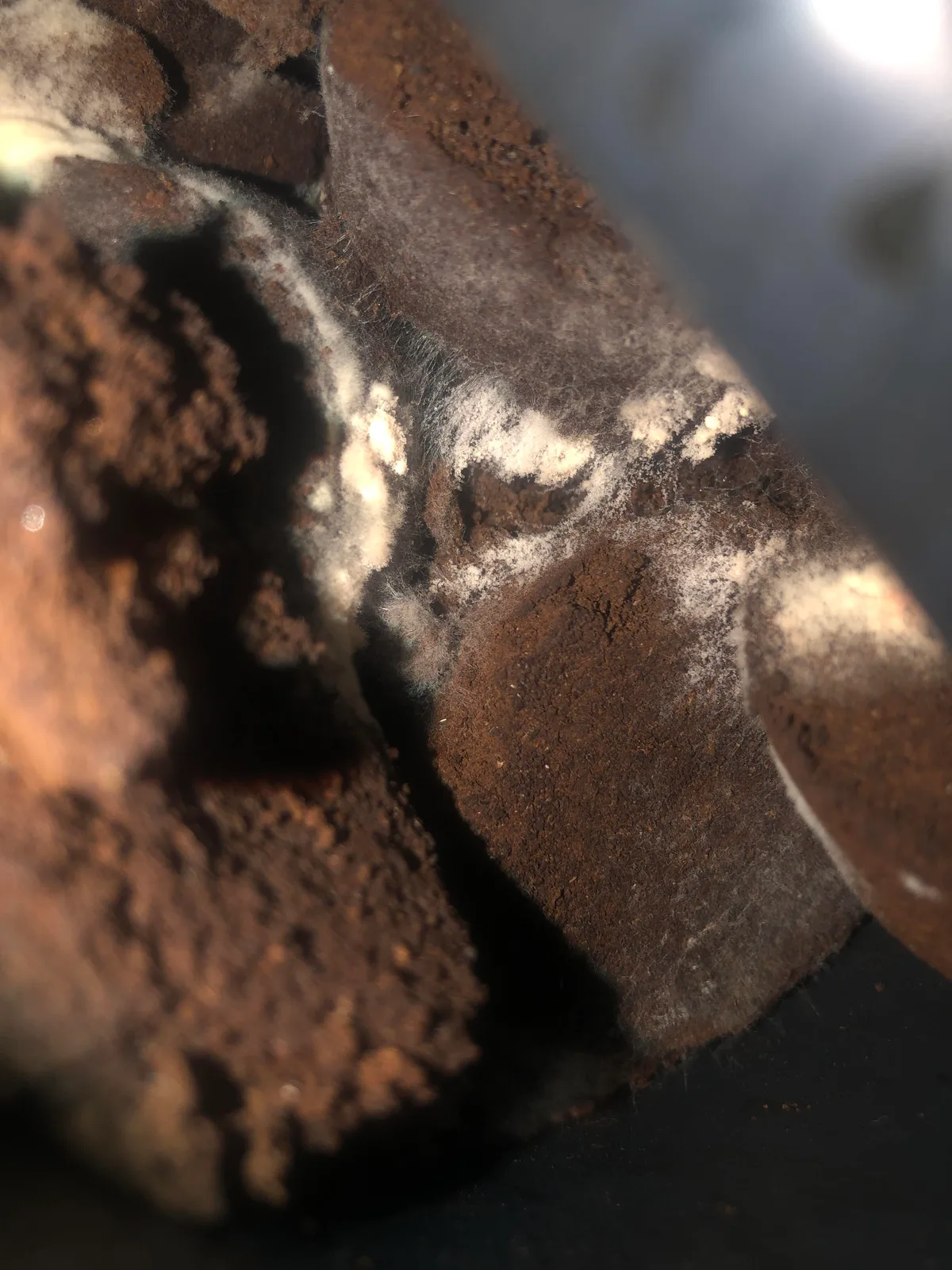
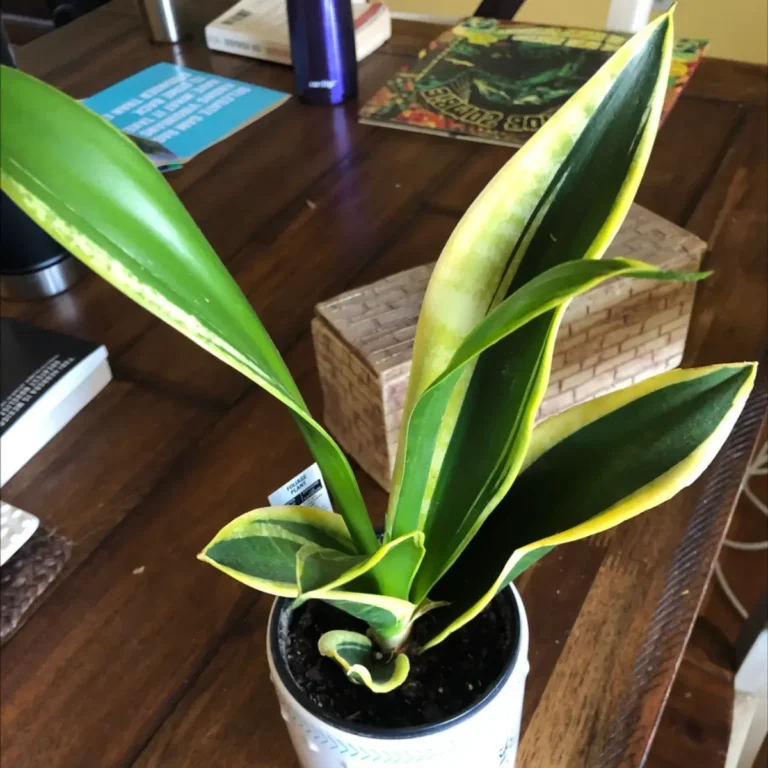
Image source: Web (Bing) / storage.googleapis.com (Web image (fair-use with source credit))
The Only Safe Ways to Use Coffee Grounds (If You Must)
If you still want to use coffee grounds despite the risks, you need to follow strict preparation and application steps. There are exactly three methods that reduce the dangers to an acceptable level.
Option 1: Compost them first.
This is the safest route. Add used coffee grounds to a compost bin with brown materials like dried leaves or cardboard. Let the pile sit for 3 to 6 months.
The decomposition process neutralizes the acidity, breaks down caffeine, and makes the nutrients slow-release. After composting, mix a single tablespoon into the top inch of soil for a 6-inch pot. Do this once in spring and once in early summer.
Option 2: Diluted coffee tea.
Steep 2 tablespoons of used coffee grounds in 4 cups of water for 24 hours. Strain the liquid through a fine mesh or coffee filter. Use the resulting tea to water your snake plant only when the soil is bone-dry.
Apply it once every 2 to 3 months during the growing season. This method dilutes the nitrogen and salts to a safe level while providing a mild boost.

Image source: Web (Bing) / pinterest.com (Web image (fair-use with source credit))
Option 3: Immediate mixing into topsoil.
If you decide to use fresh grounds, never leave them sitting on the surface. Immediately work them into the top half-inch of soil with a chopstick or small trowel. Then water thoroughly to help them start breaking down below the surface.
Even with this method, the risk of mold and rot remains higher than with composted grounds. Use no more than a teaspoon for a small pot.
None of these methods are necessary for a healthy snake plant. They are only for experienced growers who want to experiment and monitor closely.
Better Alternatives for Feeding Your Snake Plant
You have much safer options that deliver the same benefits without the moisture and mold risks. These alternatives are backed by manufacturer specs and university recommendations.
Balanced liquid fertilizer (diluted half strength).
A standard 10-10-10 liquid houseplant fertilizer, mixed at half the label dose, provides all the nutrients a snake plant needs. Apply it once in spring and once in summer. Skip winter feedings entirely.
This gives a predictable, controlled release without altering soil moisture or pH.
Worm castings.
Worm castings are the gold standard for gentle, slow-release feeding. They are nearly neutral in pH, hold minimal moisture, and cannot burn roots. Sprinkle a thin layer (about 1/4 inch) over the soil surface, or mix a tablespoon into the top inch.
Water as normal. Worm castings also improve soil structure without creating a sponge effect.
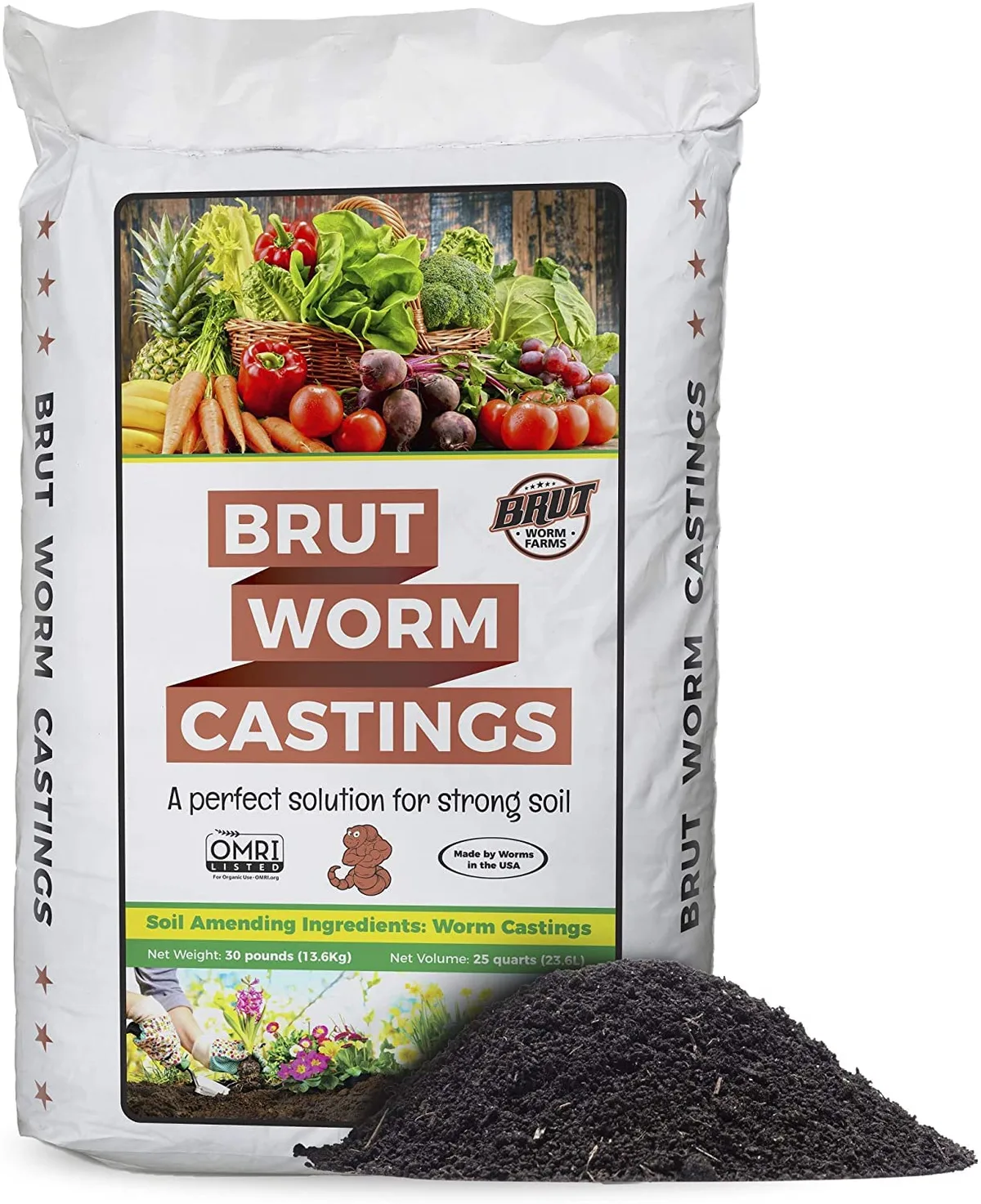
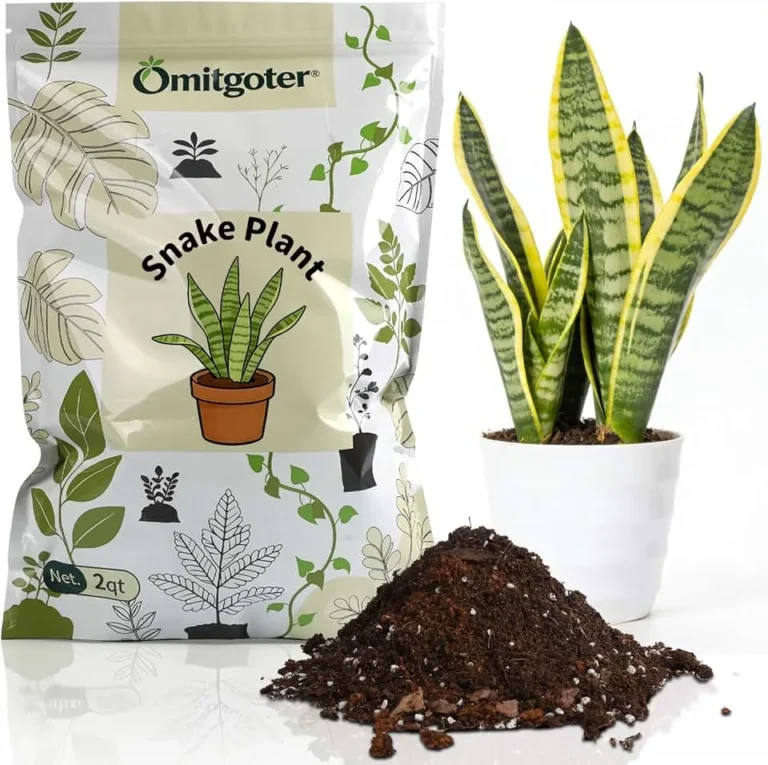
Image source: Web (Bing) / amazon.ca (Web image (fair-use with source credit))
Nothing at all.
Most snake plants live perfectly well in standard potting mix for a year or more without any fertilizer. They are adapted to poor soils. The biggest threat is overcare, not undernutrition.
If your plant is in fresh potting soil and gets bright indirect light, it will grow steadily without any extra amendments.
Comparison table for quick reference:
| Method | Risk level | Frequency | Effectiveness |
|---|---|---|---|
| Coffee grounds (fresh top-dress) | High | N/A | Low |
| Coffee grounds (composted) | Low | 1–2 times/year | Low–medium |
| Coffee tea (diluted) | Low | 1–2 times/year | Low–medium |
| Balanced liquid fertilizer (half strength) | Very low | 2 times/year | Medium |
| Worm castings | Very low | 1–2 times/year | Medium |
| No fertilizer | None | Never | Low but sufficient |
Warning Signs You’ve Done Damage
Even with careful application, coffee grounds can cause problems. Here are the most common signs of trouble and what to do about them.
This indicates nitrogen burn or salt buildup. Stop using any coffee grounds or fertilizer immediately. Flush the soil with plain water until it runs freely from the drainage holes.
Let the pot dry out completely before the next watering.
This is likely root rot. Remove the plant from the pot and inspect the roots. Healthy roots are white or pale tan and firm.
Rotting roots are brown, mushy, and smell sour. Trim all affected roots with clean scissors. Repot in fresh, dry succulent mix.
Do not water for at least a week.
White fuzz on the soil surface.
That is mold from damp grounds. Scrape off the top inch of soil and discard it. Improve air circulation around the pot.
Let the remaining soil dry out. If mold returns, remove all coffee ground residue permanently.
Tiny black flies around the pot.
Fungus gnats. Remove any visible grounds from the soil surface. Place yellow sticky traps near the pot.
Let the soil dry out thoroughly between waterings. In severe cases, apply a BTI-based mosquito dunk dissolved in water to kill larvae.
Leaf tip browning.
Salt buildup from repeated coffee ground use. Flush the soil with distilled water several times over two weeks. Then stop all amendments for at least three months.
Trim the brown tips if they bother you, but avoid cutting into healthy green tissue.
If any of these symptoms appear, stop using coffee grounds immediately. The plant will recover faster with less intervention.
Frequently Asked Questions
How often can I use coffee grounds on my snake plant?
Composted grounds can be applied twice a year at most. Coffee tea can be used once every 2 to 3 months during spring and summer. Fresh grounds should never be used more than once per growing season, and even that is risky.
In winter, skip all amendments entirely.
Can I use fresh coffee grounds straight from the filter?
No. Fresh grounds are too acidic and release nitrogen too quickly. They also hold moisture against the soil surface.
If you must use them, dry them first, then immediately work a tiny amount into the topsoil and water. The risk of mold and root burn remains high.
What if I already added too many coffee grounds?
Remove the visible grounds from the soil surface. If the soil feels damp, stop watering and let it dry out completely. Watch for signs of rot or mold.
If the plant shows yellowing or soft leaves, flush the pot with plain water and repot into fresh dry mix. Do not fertilize for at least three months.
Are coffee grounds good for any indoor plants?
They work better for acid-loving plants like ferns, peace lilies, or philodendrons. Those plants tolerate moisture and prefer slightly acidic soil. Even then, composted grounds or diluted tea are safer than fresh grounds.
Snake plants are the wrong candidate for this experiment.
Does the type of coffee matter?
Dark roasts are slightly less acidic than light roasts, but the difference is minimal after brewing. The bigger factor is whether the grounds are organic. Non-organic coffee may carry trace pesticide residues that concentrate in the grounds.
Regardless, the risks of moisture retention and mold apply to all coffee types.
Final Verdict: When to Use Coffee Grounds and When to Skip
You should skip coffee grounds for your snake plant in almost every situation. The risks consistently outweigh the benefits for this specific species. Here is the decision guide.
Skip coffee grounds if:
- You are new to houseplant care
- Your snake plant is in standard potting mix
- You tend to overwater
- The pot lacks drainage holes
- You notice any yellowing or softness already
Use coffee grounds only if:
- You have composted them for 3 to 6 months
- You apply them at a rate of 1 tablespoon per 6-inch pot
- You do it no more than twice per year
- You monitor soil moisture closely
- You are experienced with slow-growing succulents
For most snake plant owners, the best fertilizer is no fertilizer. A healthy plant in good light and proper watering needs nothing extra. If you want to give it a gentle boost, use worm castings or a half-strength balanced liquid fertilizer instead.
Your snake plant will thank you by staying alive and steadily unfurling new leaves. That is the real win.