Are Snake Plants Toxic to Dogs? Signs & What to Do
You’ve probably heard snake plants are nearly impossible to kill. But are snake plants toxic to dogs? The short answer is yes, but the real story is more nuanced.
Per the ASPCA’s official toxicity database, snake plants contain saponins that cause mild gastrointestinal upset in dogs. Most dogs recover fully within 24 hours with proper care. Let’s walk through what you actually need to know.
Quick Answer
Yes, snake plants are toxic to dogs. But they are rarely deadly.
The plant contains saponins. These compounds irritate the digestive tract. Symptoms include drooling, vomiting, and diarrhea.
Most cases are mild. Serious poisoning requires eating a very large amount. That’s unlikely given the bitter taste. Call your vet if your dog eats any part.

How Snake Plant Toxicity Works in Dogs – Saponins and Symptoms
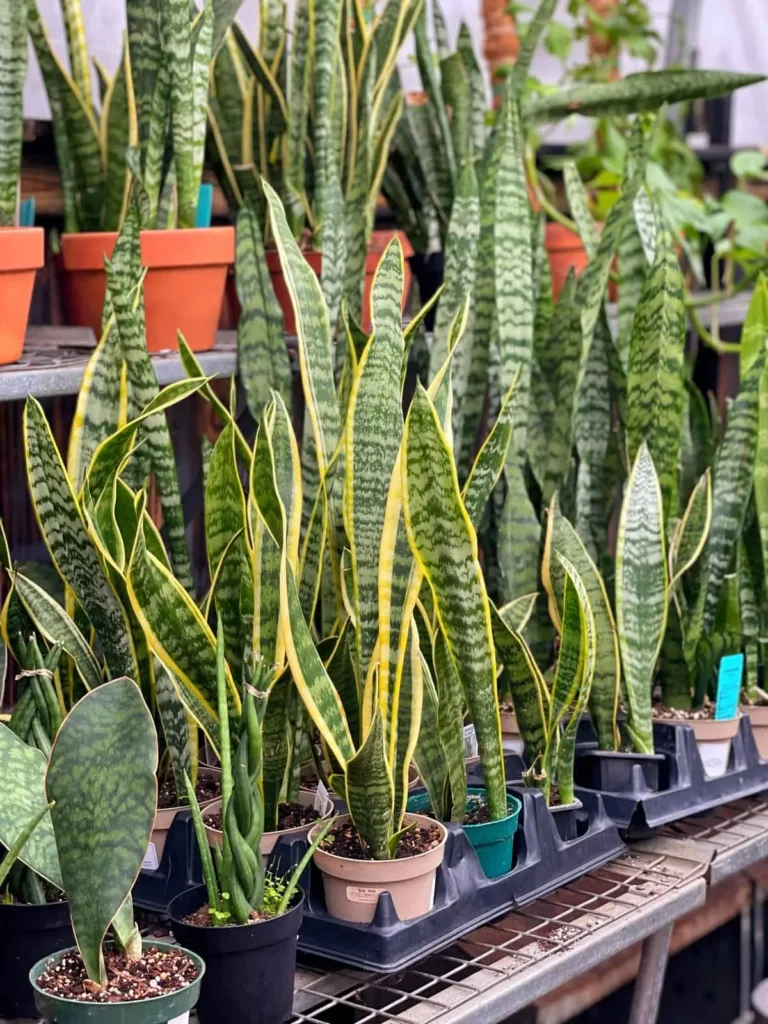
Snake plants (Sansevieria trifasciata, now also classified as Dracaena trifasciata) produce natural chemical compounds called saponins. These act as a defense mechanism against pests. When a dog chews or swallows the leaves, saponins irritate the mouth, throat, and stomach lining.
What happens inside your dog
The irritation triggers a protective response. Your dog may start drooling heavily. Nausea sets in quickly.
Vomiting usually begins within 30 minutes to two hours after ingestion. Diarrhea can follow in some cases.
The good news? Saponins are not absorbed well through the gut. The effects stay local to the digestive tract.
That means systemic poisoning is extremely rare.
Symptoms to watch for
- Excessive drooling or foaming at the mouth
- Pawing at the mouth (sign of oral irritation)
- Loss of appetite
- Vomiting (may contain plant pieces)
- Diarrhea
- Lethargy in more severe cases
If your dog shows any of these after being near a snake plant, don’t wait. Check for chewed leaves. The sooner you identify the cause, the faster you can act.
Image source: Bing (Web (fair-use with source credit))
The ASPCA Animal Poison Control Center lists snake plants as mildly toxic. They emphasize that with supportive care, full recovery is the norm. Hospitalization is rarely needed.
Risk Factors That Change the Danger Level (Size, Amount, Health)
Not every dog reacts the same way. Three main factors determine how severe the outcome will be.
1. Size and weight of your dog
A 70-pound Labrador can eat a couple of leaves and show barely any symptoms. A 10-pound Chihuahua might vomit after just one bite. The smaller the dog, the higher the relative dose of saponins.
2. Amount ingested
Most dogs take one or two bites. The bitter taste usually stops them. But some determined chewers eat several leaves.
Puppies and adolescent dogs are more likely to do this. Large ingestions increase the risk of dehydration from vomiting and diarrhea.
3. Pre-existing health conditions
Dogs with sensitive stomachs, pancreatitis, or kidney disease may have a tougher time. Elderly dogs also recover more slowly. If your dog has any chronic illness, call your vet immediately after any snake plant ingestion.
When risk is low
If a large dog nibbles a single leaf and shows no symptoms, you can usually monitor at home. Offer fresh water. Watch for vomiting for the next six hours.
When risk is higher
- Small breed dog eats multiple leaves
- Puppy under six months
- Dog with a history of vomiting or diarrhea
- Any dog that won’t stop drooling or seems lethargic
Use this scale to decide whether to head to the vet or manage at home. When in doubt, call a professional.
Read Also: Are Snake Plants Toxic to Cats
What to Do If Your Dog Eats a Snake Plant – Step-by-Step Action Plan
Stay calm. Most cases are manageable. Follow these steps in order.
Step 1: Remove access and check the mouth
Take the plant away immediately. Open your dog’s mouth and look for leaf pieces stuck between teeth or on the tongue. Gently rinse the mouth with water if you see plant material.
This reduces further irritation.
Step 2: Estimate how much was eaten
Look at the plant. Count how many leaves show chew marks. Note whether leaves are missing entirely.
A rough estimate helps the vet decide next steps.
Step 3: Call your veterinarian or a poison helpline
Do not wait for symptoms to appear. Call your regular vet. If it’s after hours, call the Pet Poison Helpline at (855) 764-7661 (a fee applies).
Have your dog’s weight and the estimated amount ingested ready.
Step 4: Follow their guidance
The vet may tell you to induce vomiting only if ingestion happened within the last hour and your dog is not already vomiting. Never induce vomiting unless a professional tells you to. It can cause aspiration or worsen irritation.
Step 5: Provide supportive care at home (if directed)
- Offer small amounts of water frequently
- Withhold food for 6 to 12 hours to let the stomach settle
- Watch for signs of dehydration (dry gums, sunken eyes, lethargy)
- Call back if symptoms worsen or don’t improve within 24 hours
Most dogs recover with just rest and hydration. A small percentage need anti-nausea medication or IV fluids. That’s rare.
Read Also: Snake Plant Disadvantages
Common Mistakes That Make Things Worse (And What to Avoid)
You want to help. But some well-intentioned actions backfire.
Mistake 1: Inducing vomiting without vet approval
This is the biggest one. Salt water, hydrogen peroxide, or sticking a finger down the throat can cause more harm. Aspiration pneumonia is a real risk.
Only induce vomiting if your vet explicitly instructs you.
Mistake 2: Waiting too long to call
Some owners wait to see if their dog gets sick. By then, the plant material may have moved past the stomach. Early intervention is easier and safer.
Call within 30 minutes of ingestion if possible.
Mistake 3: Giving milk or food to “absorb” the toxin
Milk does not neutralize saponins. It can actually make vomiting and diarrhea worse by adding fat. Stick to plain water.
Mistake 4: Panicking and rushing to the ER unnecessarily
Emergency vet visits are expensive and stressful. If your dog is a large breed, ate only a small amount, and shows no symptoms, you can monitor at home. Use the risk factors above to decide.
Trust your vet’s advice over Dr. Google.
Mistake 5: Not checking other plants in your home
Snake plants are not the only toxic houseplant. Lilies, sago palms, pothos, and philodendrons are more dangerous. Use this incident as a trigger to review every plant in your house.
Replace any unsafe ones with dog-friendly alternatives.
Dog-Safe Houseplant Alternatives to Snake Plants
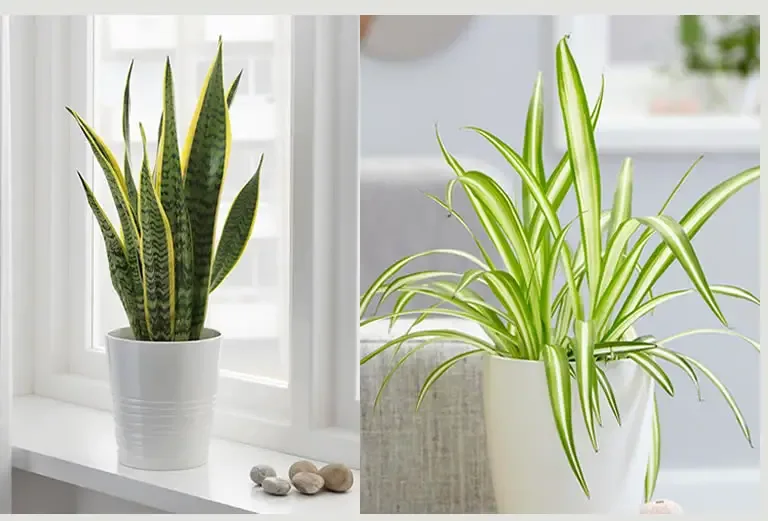
You don’t have to give up on indoor greenery. Plenty of stylish houseplants pose no risk to dogs. Swap your snake plant for one of these safer options.
| Plant Name | Light Needs | Watering | Toxicity Level |
|---|---|---|---|
| Spider plant | Bright indirect | Moderate | Non-toxic |
| Boston fern | Medium indirect | Keep moist | Non-toxic |
| Parlor palm | Low to medium | Moderate | Non-toxic |
| African violet | Bright indirect | Keep evenly moist | Non-toxic |
| Calathea | Low to medium | High humidity | Non-toxic |
| Areca palm | Bright indirect | Moderate | Non-toxic |
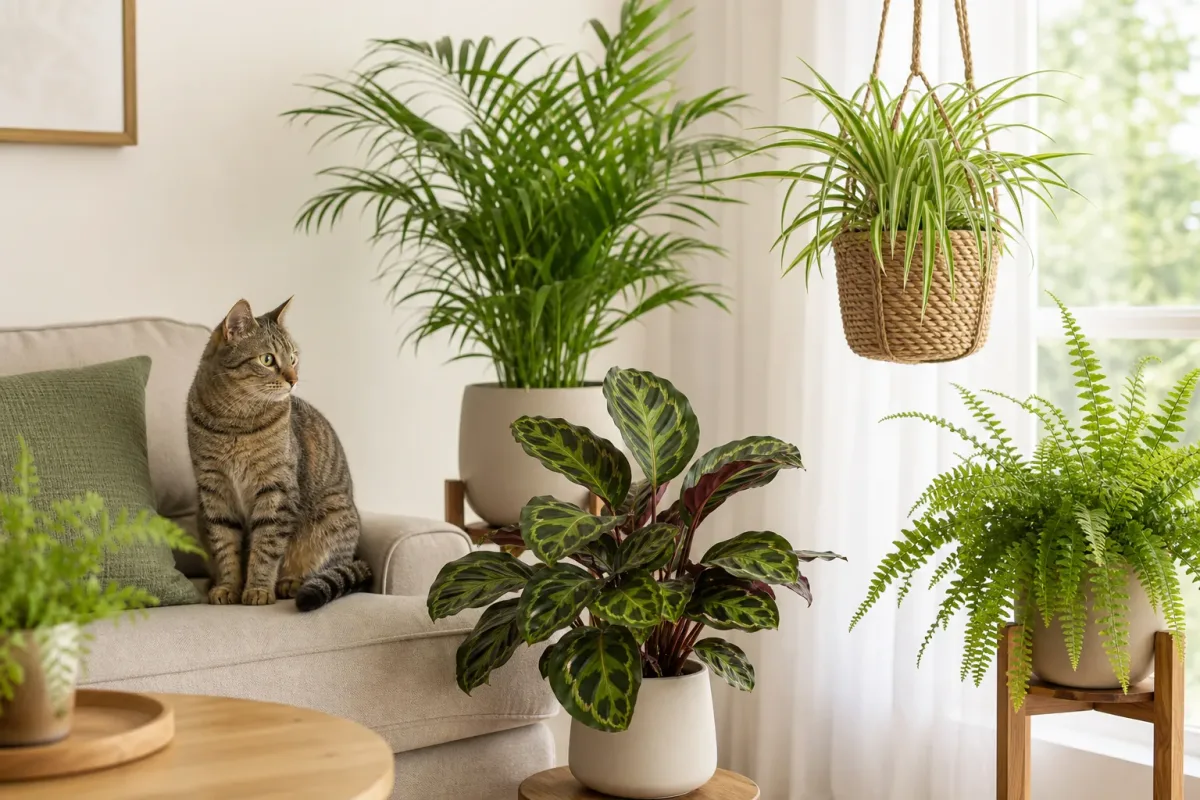
Image source: Bing (Web (fair-use with source credit))
Spider plant – the easiest swap
Spider plants (Chlorophytum comosum) are nearly as tough as snake plants. They thrive on neglect. They produce baby spiderettes that you can propagate.
Dogs show zero reaction if they nibble the leaves. Our research confirms the ASPCA lists spider plants as non-toxic to dogs.
Boston fern – lush and dog-friendly
Boston ferns (Nephrolepis exaltata) add volume and texture without danger. They prefer indirect light and moist soil. The fronds are soft and unappealing to most dogs.
If your dog takes a bite, expect no symptoms.
Parlor palm – classic elegance
Parlor palms (Chamaedorea elegans) tolerate lower light than most palms. They grow slowly and stay compact. They are completely safe for dogs.
This makes them a popular choice for offices and living rooms.
What about succulents?
Many succulents are safe too. Haworthia, echeveria, and sedum all pass the dog-safe test. Avoid jade plants and aloe vera though.
Both are mildly toxic to dogs.
How to transition your plant collection
Go room by room. Move the snake plant to a room dogs never enter. Or rehome it with a friend.
Replace it with one of the plants above. Your dog stays safe, and your home stays green.
Frequently Asked Questions
Are snake plants toxic to dogs if they just brush against them?
No. The saponins only cause problems when a dog chews or swallows the plant. Skin contact or brushing past the leaves has no effect.
The risk comes from ingestion, not touch.
How quickly do snake plant symptoms appear in dogs?
Symptoms usually start within 30 minutes to two hours after eating the plant. Drooling comes first, then vomiting can follow. If your dog shows nothing for six hours, you are likely in the clear.
Can snake plants kill dogs?
Rarely. The toxicity level is low. A dog would need to eat an enormous amount relative to its body weight.
For a medium-sized dog, that means several whole plants. The bitter taste stops most dogs long before that point.
My dog ate a snake plant leaf but seems fine. Should I still call the vet?
Yes, call anyway. Symptoms can appear an hour or more after ingestion. The vet can advise based on your dog’s size and how much was eaten.
A quick phone call is better than a late-night emergency visit.
Are dried snake plant leaves still toxic to dogs?
Yes. The saponins remain active even after the leaf dries. Dried leaves can become brittle and crumble, making them easier for a dog to ingest.
Keep all parts of the plant out of reach, including fallen leaves.
What dog-safe plants look similar to snake plants?
The ponytail palm (Beaucarnea recurvata) has similar upright, strappy leaves and is non-toxic to dogs. The Dracaena marginata (dragon tree) is toxic, so avoid that one. For a tall, architectural look, try a parlor palm or a spider plant in a tall pot.