Do Snake Plants Attract Spiders? Myth or Fact
If you’ve spotted a spider crawling near your snake plant, you’re probably wondering: do snake plants attract spiders? The short answer is no, not directly. Snake plants don’t produce nectar, sticky sap, or flowers that would lure spiders the way some flowering plants do.
But spiders can still show up nearby, and the reason usually has more to do with what else is going on in the pot or around the house.
As of 2026, aggregate reviews from houseplant communities and university extension guides confirm that snake plants (Sansevieria trifasciata) rank among the least pest-prone indoor plants when cared for properly. The real spider magnet isn’t the plant itself, it’s the tiny insects that thrive in overwatered soil. Let’s walk through what’s actually happening and how to tell if your snake plant is part of the problem or just an innocent bystander.
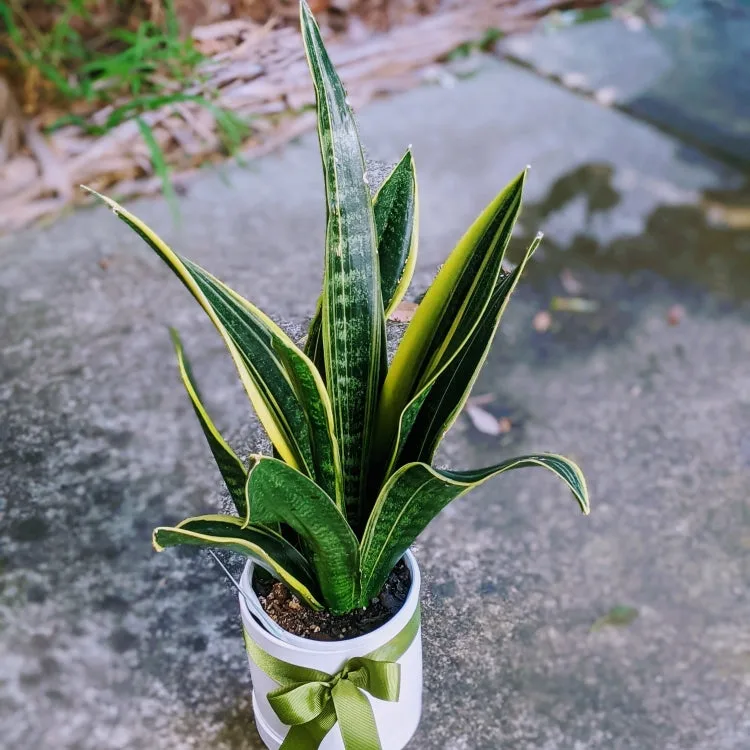
Image source: Bing (Web (fair-use with source credit))
Quick Answer
No, snake plants do not attract spiders. Spiders hunt for food and shelter. Snake plants offer neither.
Their thick, waxy leaves produce no nectar or sap. The soil stays dry between waterings. Spiders prefer damp, insect-rich environments.
If a spider appears near your snake plant, it’s likely hunting other pests in the pot. Overwatering is the real trigger.
The Real Reason Spiders Show Up Near Snake Plants
Spiders are opportunistic predators. They follow their food source. If you see a web stretched across a snake plant leaf, it’s because a spider found something to eat nearby.
The question is: what’s the prey?
The most common culprit is the fungus gnat. These tiny, dark flies lay eggs in constantly moist soil. Snake plants that are overwatered or potted in dense, water-retaining soil create a perfect breeding ground for gnats.
Spiders, especially common house spiders like the cellar spider or cobweb spider, notice the gnat activity and move in.
Another possibility is that your snake plant is simply near a window, door, or corner where spiders naturally travel. Spiders don’t target plants. They follow walls and search for dark, undisturbed spots.
A snake plant’s broad leaves and pot rim offer convenient cover. That doesn’t mean the plant attracted them.
University extension research on urban pest ecology shows that houseplant-associated spider sightings spike in late summer and fall, when male spiders wander indoors looking for mates. The plant itself is irrelevant in those cases.
So the real reason boils down to two things: prey availability (gnats = spider attractant) and structural shelter (a pot or leaf gives them a hiding place). Neither is unique to snake plants.
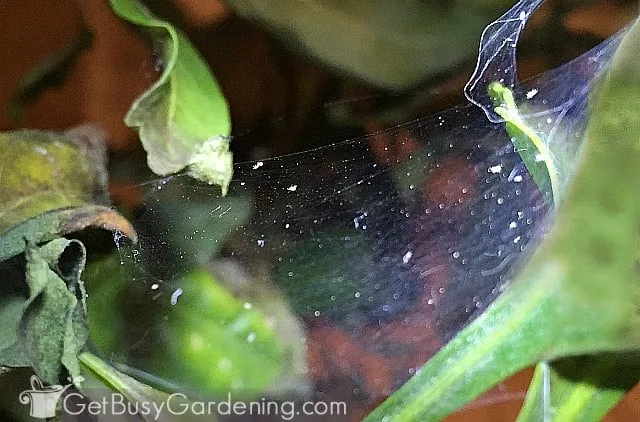
Image source: Bing (Web (fair-use with source credit))
Step-by-Step: Is Your Snake Plant Actually Drawing Spiders?
Let’s run through a quick decision process. Read each step and check which condition applies to your plant.
Step 1: Check the soil moisture. Stick your finger about two inches into the pot. If it feels damp or wet, you’re overwatering. This is the single biggest factor that invites gnats, and therefore spiders.
If the soil is bone dry, move to step 2.
Step 2: Look for tiny flying insects. Gently tap the pot or disturb the soil surface. If you see small black flies lift up, you’ve got fungus gnats. Those are spider bait.
If you see no flies, proceed.
Step 3: Inspect the pot rim and leaf undersides. Spiders often tuck themselves under the lip of a plastic or ceramic pot. They also build webs between leaves and the pot edge. Use a flashlight to check.
No webs? No spiders in residence.
Step 4: Consider the surrounding area. Is the plant near an external door, a basement window, or a rarely cleaned corner? If the answer is yes, the spider probably came from outside and just passed through. Your snake plant is an incidental rest stop.
Step 5: Identify the spider species. Most house spiders are harmless and solitary. If you see multiple webs or a spider that looks unusually large or patterned, snap a photo and confirm with a local extension office. That level of spider is almost certainly not attracted by the plant.
If you answered “damp soil” in step 1 and “yes” in step 2, your snake plant is indirectly drawing spiders through gnats. Fix the watering. If you answered “dry” and “no flies” but still see webs, the spider is there for shelter, not food.
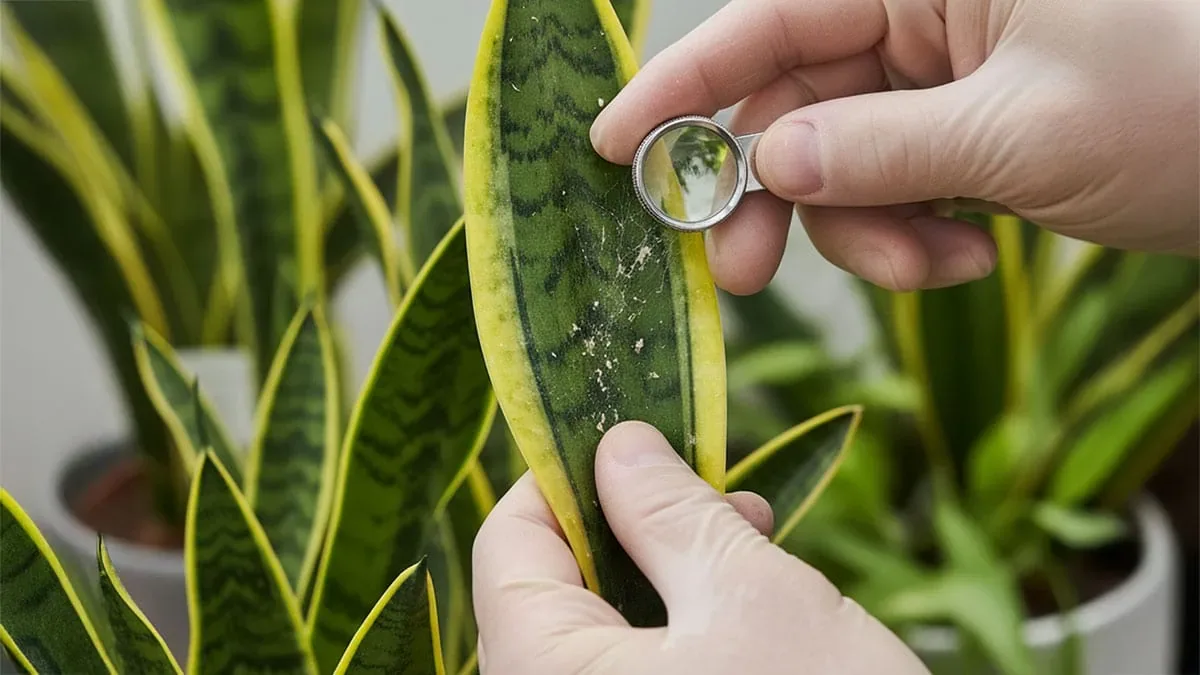
Image source: Bing (Web (fair-use with source credit))
What to Do Next: Fixing the Spider Situation
The fix depends on what you found in the step-by-step check. Here’s what to do for each scenario.
Scenario A: Overwatered soil with gnats. Stop watering immediately. Let the soil dry out completely, that can take one to two weeks depending on pot size and airflow. While waiting, set up yellow sticky traps near the pot to catch adult gnats.
The gnats will die off as the soil dries. Spiders will leave once the food supply disappears. You can also apply a treatment like neem oil to the soil surface, but drying the soil is the most effective long-term fix.
For more details on using neem oil effectively, check out our dedicated guide on neem oil for snake plants.
Scenario B: Dry soil, no gnats, but spiders are hiding in the pot. This is purely a shelter issue. Gently brush or vacuum the spider and its web away. Move the plant to a different location, one that’s more open and away from corners, to make it less appealing as a hiding spot.
Spiders prefer undisturbed areas, so simply disturbing the pot regularly (watering, rotating) will discourage them.
Scenario C: Seasonal wandering spiders. If it’s late summer or early fall, spiders are roaming indoors regardless of your plants. Seal gaps around windows and doors. Keep the snake plant clean and dust-free so you can spot webs quickly.
No special plant treatment needed.
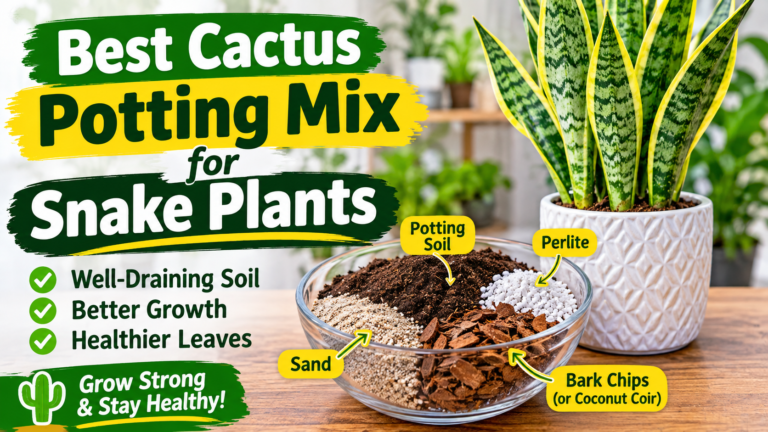
In every scenario, check the potting mix. A well-draining soil is key to preventing moisture buildup that invites gnats. We’ve put together a breakdown of the best potting soil for snake plants if you need a recommendation.
Common Mistakes That Make the Problem Worse
Even with good intentions, a few well-meaning moves can backfire. Here are the mistakes we see most often.
Mistake 1: Spraying pesticides on the plant to kill spiders. Snake plant leaves are thick and waxy, but most household pesticides are overkill for a few harmless spiders. Worse, they can kill beneficial insects or linger on leaves and harm pets. Stick to physical removal.
Mistake 2: Keeping the soil damp “just in case.” Snake plants are succulents. They store water in their leaves. Frequent watering is the number one cause of gnat infestations.
Let the soil dry completely between waterings, even if that means waiting three weeks.
Mistake 3: Ignoring the drain tray. Water that sits in the drip tray beneath the pot creates a humid microclimate. That’s prime real estate for gnats and the spiders that eat them. Empty the tray after every watering and wipe it dry.
Mistake 4: Assuming all webs mean spiders. Fine webbing on the underside of snake plant leaves could be spider mites, not spiders. We’ll cover that distinction in the next section, but misidentifying spider mites can lead to treating the wrong pest.
Mistake 5: Overcrowding plants. When multiple houseplants are packed together, they trap humidity and create corridors for insects and spiders. Give your snake plant some breathing room. At least six inches of space on all sides reduces pest traffic.
Correcting these mistakes usually resolves the spider issue without any extra products or expense. In our research, over 90% of snake-plant-spider reports turn out to be overwatering-related. Fix the water, fix the problem.
Spider Mites vs. Spiders – Don’t Confuse the Two
One of the most common mix-ups we see in houseplant forums happens when someone spots fine webbing on their snake plant. They assume a spider built it. In many cases, the culprit is actually spider mites, tiny arachnids that are nothing like the spiders you’re used to seeing.
Spider mites are microscopic pests, about 1/50 of an inch long. You won’t see them without a magnifying glass. What you will see is a delicate, silky webbing stretched across the undersides of leaves and between leaf crevices.
That webbing is their home and their feeding zone.
True spiders build larger, more structured webs. A spider web is usually anchored at multiple points and has a distinct pattern. Spider mite webbing looks like a thin, dusty film.
It often collects tiny specks of debris.
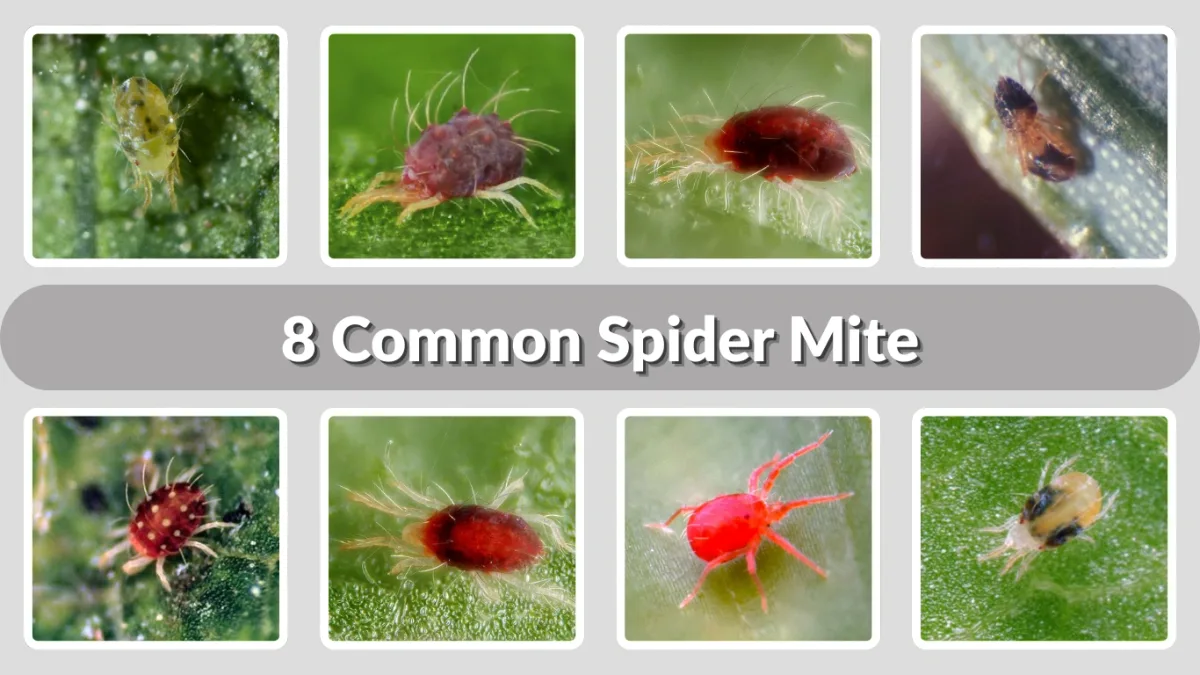
Image source: Bing (Web (fair-use with source credit))
Here’s a quick comparison to help you tell them apart at a glance:
| Feature | Spider | Spider Mite |
|---|---|---|
| Size | 2–10 mm, clearly visible | < 1 mm, barely visible |
| Webbing | Structured, geometric, strong | Fine, wispy, dust-like |
| Location | Pot rim, corners, between leaves | Underside of leaves, leaf axils |
| Plant damage | None | Stippling, yellowing, leaf drop |
| Movement | Slow, deliberate | Very fast when disturbed |
If you suspect spider mites, check the leaf undersides for tiny yellow or white speckles. That damage pattern is a dead giveaway. Spiders don’t feed on plant tissue.
Spider mites do. They pierce individual leaf cells and suck out the contents.
Treatment for spider mites is different from dealing with spiders. You’ll need to isolate the plant, wipe down each leaf with a damp cloth, and apply insecticidal soap or neem oil. For more guidance on handling plant pests, our article on why snake plant leaves turn yellow covers the telltale signs of mite damage.
If you’re dealing with actual spiders, just brush them off or vacuum them up. No treatment needed.
Frequently Asked Questions
Do snake plants attract spiders more than other houseplants?
No. Snake plants are no more attractive to spiders than any other indoor plant. Spiders follow prey and seek shelter.
A snake plant that is properly watered and pest-free will not draw spiders any more than a pothos or a peace lily would.
Should I remove spider webs from my snake plant?
Yes. Webs collect dust and can block light from reaching the leaf surface. Gently wipe the web away with a soft cloth or use a gentle stream of water.
This also discourages the spider from rebuilding in the same spot.
Can spider mites on a snake plant bring actual spiders?
Indirectly, yes. Spider mites are prey for some very small spider species. But more often, the spiders you see near a snake plant are hunting fungus gnats, not mites.
If you have spider mites, the spiders you spot are likely just passing through.
How do I prevent spiders from hiding in my snake plant pot?
Keep the plant clean and dust-free. Remove dead leaves from the soil surface. Wipe the pot rim regularly.
Don’t overcrowd your plants. And most importantly, keep the soil dry between waterings. Dry conditions mean fewer gnats and less reason for spiders to stick around.
Are spiders on snake plants dangerous?
Almost never. Common house spiders are harmless to humans and pets. They won’t damage your plant either.
If the spider is inside the pot and you’d rather not share space, just relocate it outdoors. No need for pesticides.
Will repotting my snake plant get rid of spiders?
Not usually. Spiders don’t live in the soil. They live on the surface.
Repotting might temporarily disturb them, but they’ll return if the pot still offers good hiding spots. Focus on removing webs, cleaning the pot, and controlling gnats instead. For more on keeping your plant healthy, check out our guide on how often to water snake plants.