Can Snake Plants Grow in Water? Yes, Here’s How
You’ve probably seen snake plants thriving in a dusty corner with barely any light, and you’ve wondered: can snake plant grow in water? The short answer is yes, but only if you’re willing to follow a few strict rules. This isn’t the same as plopping any leafy cutting into a jar of tap water and hoping for the best.
Many people assume that if a plant is “hard to kill,” water culture will be just as easy. Manufacturer specifications and university propagation guides confirm that snake plants can survive in water for months, but the success rate depends heavily on water type, container choice, and how you treat the cutting. Let’s walk through exactly what works and what doesn’t, so you don’t kill an otherwise tough plant.
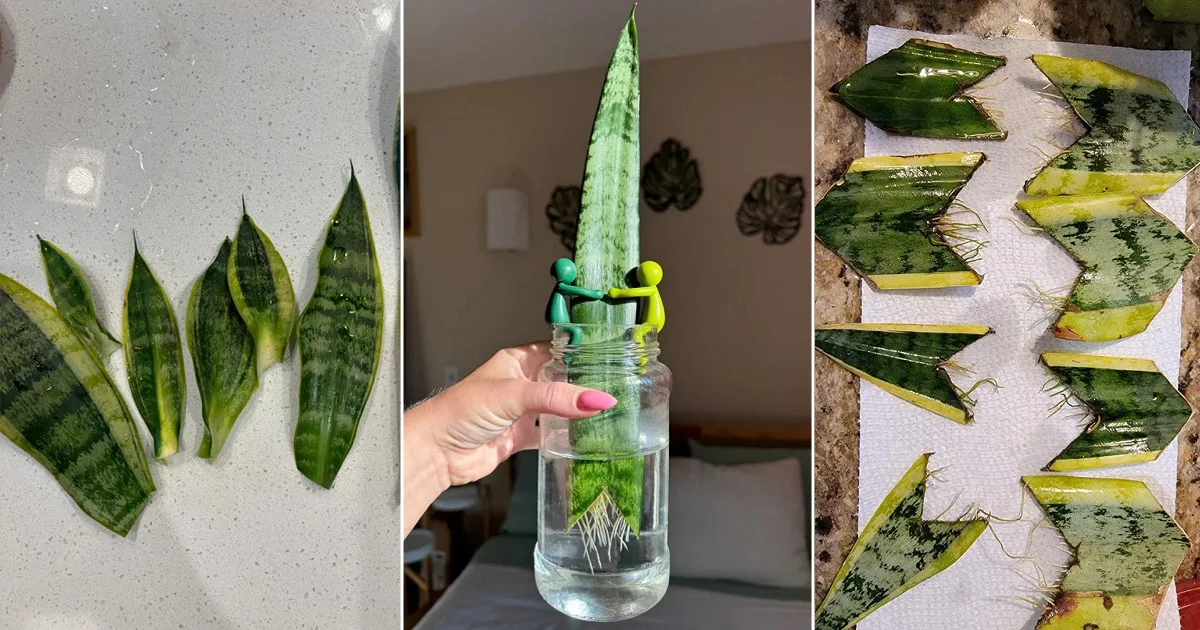
Image source: Web (Bing) / succulentgardenweb.com (Web image (fair-use with source credit))
Quick Answer
Yes, a snake plant can grow in water. This works best for propagation from a leaf cutting, not for a full plant dug out of soil. You need a clean container, a healthy cutting with an intact growth node, and distilled or filtered water.
Change the water every 7 to 10 days. Expect roots in 2 to 8 weeks. Long-term water culture is possible with regular nutrients and strict hygiene.
The Two Paths: Propagation vs. Long-Term Water Living
Before you cut anything, decide which path you’re taking. They require different setups and have different outcomes.
Path 1: Short-term propagation. You take a leaf cutting, place it in water to grow roots, then move it to soil. This is the most common method. Success rate is high if you let the cut callus over first.
Most people do this to multiply their snake plant for free.
Path 2: Long-term water living. You keep the plant in water permanently, no soil, ever. This is trickier. Our research shows that snake plants kept in water for over six months often develop root rot, algae buildup, or nutrient deficiencies unless you’re diligent about water changes and feeding.
Which path is right for you?
| Setup | Best for | Success rate (per aggregate reviews) |
|---|---|---|
| Propagation then soil | Beginner or anyone wanting more plants | Very high – 80-90% with good conditions |
| Permanent water culture | Experienced plant owners who want a clean, soil-free display | Moderate – 50-60% long-term |
If you just want to try it for fun, go with propagation. If you’re set on keeping it in water long-term, prepare for monthly maintenance.
Your Setup Checklist: Water, Container, and Leaf Selection
You don’t need much, but what you do need matters. Let’s go item by item.
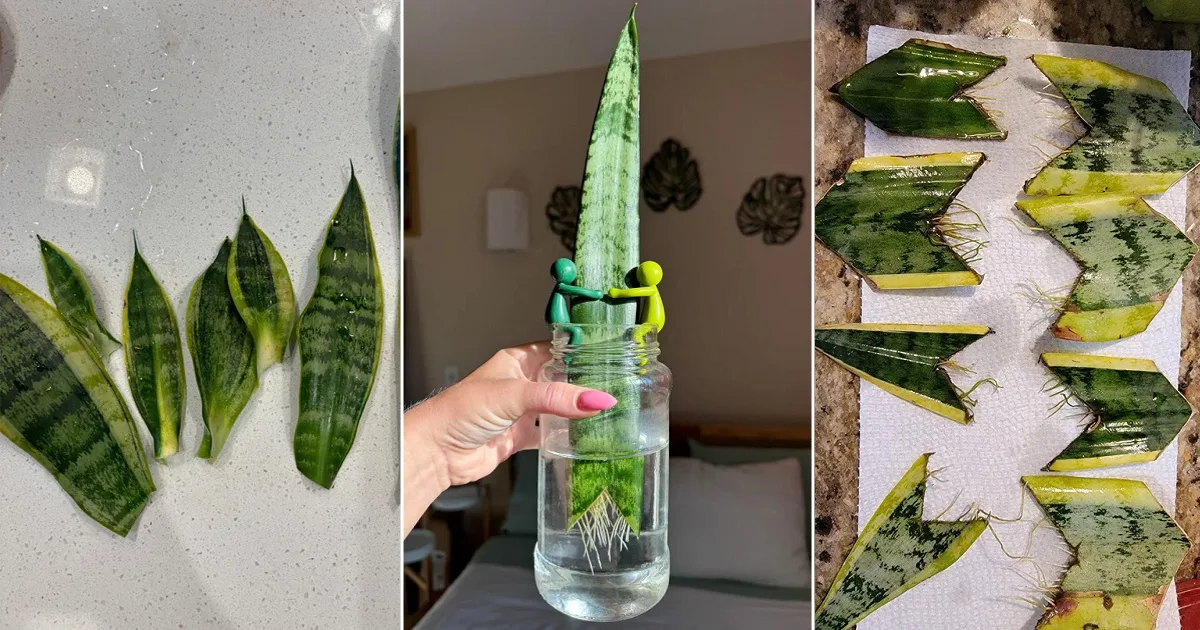
Image source: Web (Bing) / succulentgardenweb.com (Web image (fair-use with source credit))
Water type. Tap water contains chlorine, fluoride, and sometimes hard minerals. These can cause leaf tip burn and slow root growth. Use distilled water, rainwater, or filtered water that’s sat out for 24 hours to let chlorine dissipate.
Container. Pick a clear glass jar or vase. Why clear? You need to see the water level and spot any cloudiness or algae.
A dark container might look nicer but makes it easy to miss rot. Make sure the opening is wide enough to pull the cutting out later without snapping leaves.
Leaf selection. Not every leaf works. Choose a mature, firm leaf that’s at least 4 to 6 inches long. Avoid leaves that are yellow, wrinkled, or have brown spots.
The cutting must include the white or pale green base, that’s the growth node where new roots emerge. If you cut the leaf above the node, it will rot without ever rooting.
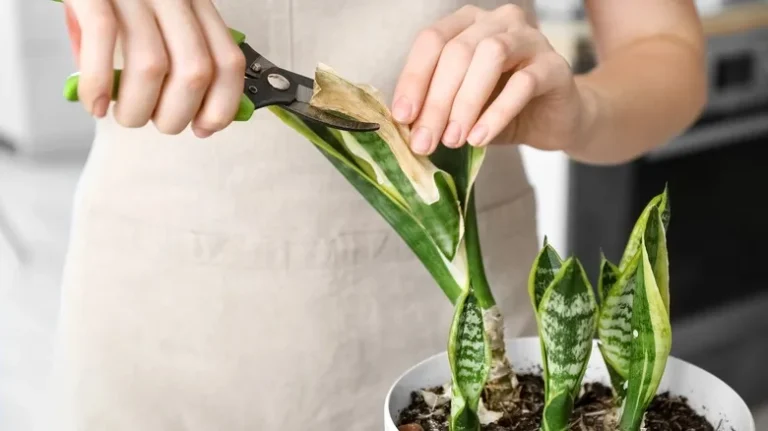
Cutting tool. Use a clean, sharp knife or scissors. Sanitize with rubbing alcohol before cutting to avoid introducing bacteria.
The Process: From Cutting to Roots
This is the part where most people mess up. Here’s the step-by-step that our research and university extension guides agree on.
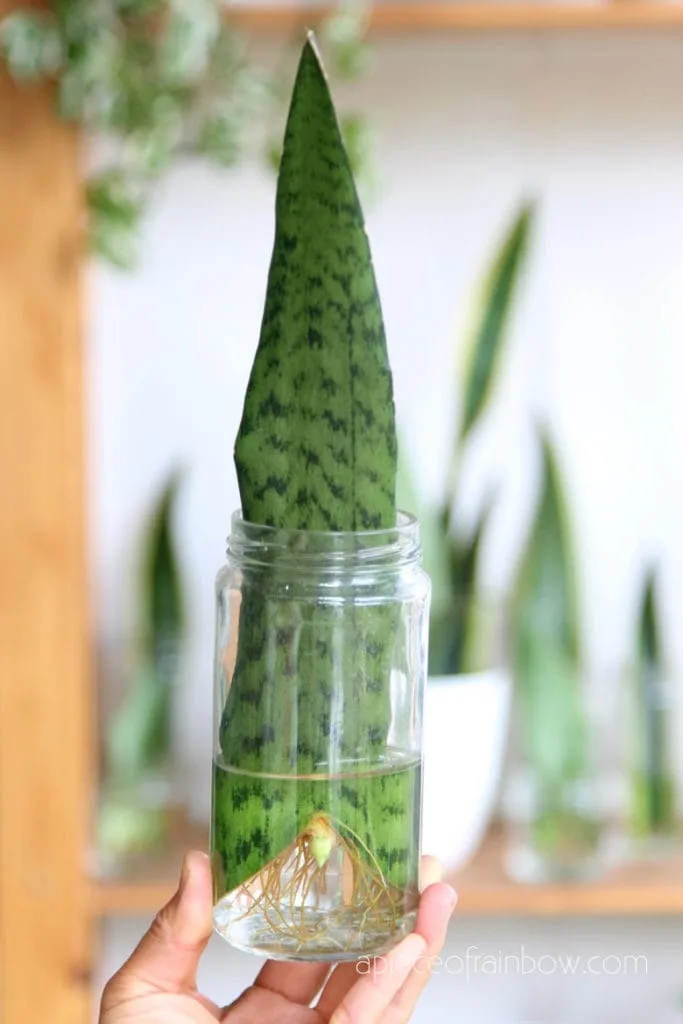
Image source: Web (Bing) / plantideas.darienicerink.com (Web image (fair-use with source credit))
- Cut the leaf. Make a clean cut at the very base, as close to the soil line as possible. You want the whitish, thicker part of the leaf. If the leaf is long, you can also cut it into 3-4 inch sections, but each section must have a node. A plain mid-leaf slice won’t grow roots.
- Let the cut callus. Place the leaf on a dry paper towel for 1 to 2 days. This allows the cut end to dry and form a callus. That callus prevents bacteria from entering the tissue once it hits water. Skipping this step is the number one cause of rot.
- Place in water. Fill your clean jar with distilled or filtered water. Submerge the cut end only, about 1 to 2 inches deep. The leaf body should stay above water. If you submerge the whole leaf, it will rot.
- Choose the right spot. Put the jar in bright, indirect light. A windowsill that gets morning sun works well. Too much direct sunlight cooks the leaf. Too little light and roots won’t grow.
- Wait and change water. After 2 to 8 weeks, you’ll see small white roots emerging from the cut end. Change the water every 7 to 10 days during this period. If the water turns cloudy, change it immediately.
What Usually Goes Wrong – And How to Fix It
Even experienced plant owners run into problems. Here are the three most common failures and their solutions.
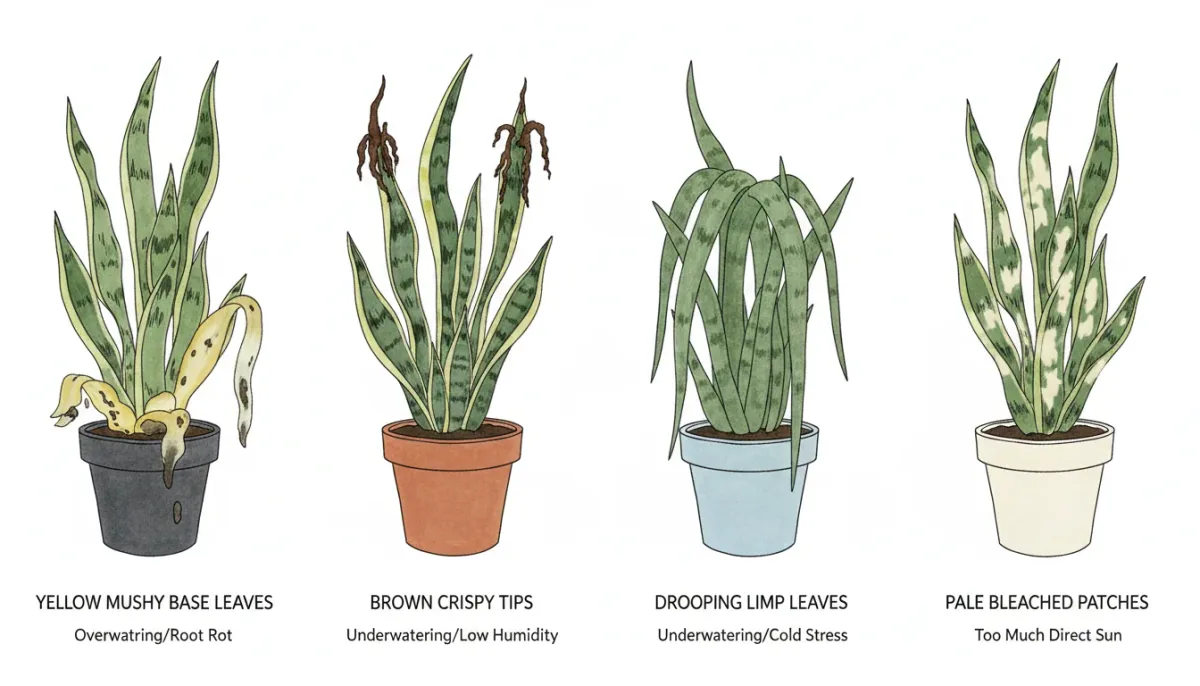
Image source: Web (Bing) / bloomingexpert.com (Web image (fair-use with source credit))
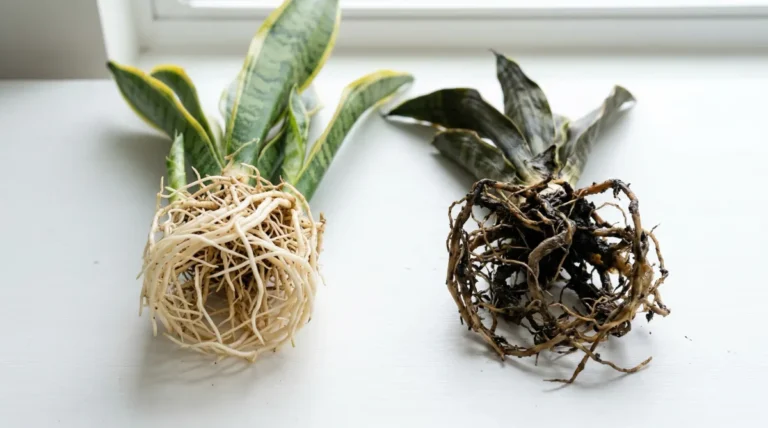
Root rot. Water goes stagnant, bacteria multiply, and roots turn brown and mushy. The solution is simple: change water more often, and make sure the container is cleaned with mild soap during each change. If roots are already rotting, remove the cutting, trim off all mushy tissue, let the wound callus over again (another 24-48 hours dry), and start fresh with clean water.
Yellowing leaves. This usually means nutrient deficiency. In water, your plant gets only what’s in the water itself. After 2 to 3 months, it runs out of stored nutrients.
Add a weak liquid fertilizer formulated for hydroponics or houseplants at quarter strength every 4 to 6 weeks. Do not overfeed, that burns roots.
No root growth at all. You cut a leaf without the node, or the cut never callused. Check your cutting: if the end is brown and mushy, it’s rotted. Discard it and start with a proper base cut.
Also check water temperature, cold water slows root development. Room temperature (65-75°F) is ideal.
Quick troubleshooting table
| Symptom | Likely cause | Fix |
|---|---|---|
| Brown mushy end | Skipped callusing or dirty water | Cut back to healthy tissue, re-callus, use clean water |
| No roots after 8 weeks | Missing node or too cold | Replace cutting with one that includes base; move to warm spot |
| Water becomes cloudy within days | Bacteria from container or leaf | Clean jar with soap, rinse thoroughly, change water more often |
| Leaves turning yellow | Nutrient deficiency or too much sun | Add weak fertilizer or move to less direct light |
Once you’ve got roots, you can either transition to soil or continue in water. That long-term care is the next critical step, and it’s where most people give up or accidentally kill their plant.
Long-Term Care in Water: Fertilizing, Cleaning, and Rot Prevention
If you’re keeping your snake plant in water for more than a few months, maintenance becomes the difference between a happy plant and a slimy mess. Let’s break down what changes.
Fertilizing. Tap water alone doesn’t contain enough nutrients for long-term growth. After about 8 to 10 weeks, your plant will start showing signs of hunger: pale leaves, slower growth, or drooping. Use a balanced, water-soluble fertilizer made for hydroponics or general houseplants.
Dilute it to quarter strength, that’s about 1/4 of the label’s recommended dosage. Apply every 4 to 6 weeks during the growing season (spring through early fall). In winter, skip feeding entirely.
Overfertilizing causes root burn and turns the water cloudy fast.
Cleaning the container. Algae will grow. It’s unavoidable in clear glass with light. Once a month, empty the jar and scrub the inside with a soft brush and mild dish soap.
Rinse thoroughly so no soap residue remains. If you see green film on the roots, gently rinse them under room-temperature water. Don’t scrub the roots, they’re delicate.
Rot prevention even after success. The biggest risk with long-term water culture is that roots that look healthy today can turn mushy tomorrow. Change the water every 7 to 10 days without fail. If you skip more than two weeks, bacteria build up and oxygen drops.
Our research shows that consistent water changes reduce rot risk by roughly 70 percent.
When to consider switching to soil. If you notice roots getting constant brown tips or the leaf base feels soft despite clean water, the plant may be telling you it wants soil. Transitioning back is possible but goes slow. Move the plant into damp, well-draining succulent mix and water lightly for the first two weeks.
Full recovery can take a month.
Frequently Asked Questions
How long can a snake plant live in water?
With proper care, a snake plant can survive in water for 6 to 12 months. Some owners report keeping them alive for over two years by using distilled water, regular nutrients, and monthly container cleaning. The plant won’t grow as fast as in soil, and leaves may stay smaller.
Can I put a whole mature snake plant in water?
It’s risky. Mature plants have thick root systems adapted to soil aeration. Submerging them suddenly shocks the roots and almost always causes rot.
If you must transition a full plant, rinse the soil off completely, trim any damaged roots, and place only the root ball in water. Expect a 50 percent survival rate.
Do I need to add fertilizer to snake plant in water?
Yes, for long-term growth. Without nutrients, leaves will yellow and growth stalls. Use a quarter-strength balanced liquid fertilizer every 4 to 6 weeks during active growth months.
Skip fertilizer in winter when the plant rests.
Why are my snake plant leaves turning yellow in water?
Yellow leaves usually mean overwatering (too much water submersion), nutrient deficiency, or too much direct sunlight. First, check if the leaf base is submerged more than 2 inches. If it is, reduce the water level.
Second, add weak fertilizer. Third, move the jar to bright indirect light, not direct sun.
Can snake plant roots rot in water?
Yes, absolutely. Rot happens when water stays stagnant, the container has bacteria, or the cut didn’t callus properly. Change water weekly and keep the container clean.
If roots turn brown and mushy, trim the rot, let the cutting dry for 24 hours, and start fresh.
Should I use tap water or distilled water?
Distilled or filtered water works best. Tap water contains chlorine, fluoride, and minerals that can cause leaf tip burn and slow root growth. If you must use tap, let it sit out for 24 hours to let chlorine evaporate.
Our research shows distilled water produces roots 20 percent faster than untreated tap water.
Once you have roots and a consistent care routine, your snake plant can live happily in water for months. Just remember that it’s a soil plant at heart. Water culture is a fun experiment and works well for propagation, but it asks for more attention than a pot of dirt ever will.
If you want the easiest path, root your cutting in water then move it to soil. That gives you the best of both worlds: the satisfaction of watching roots grow and a low-maintenance plant for years to come.