7 Surprising Snake Plant Benefits You Need to Know
If you’ve ever wondered whether snake plant benefits are genuine or just another plant influencer trend, you’re not alone. The snake plant (also called mother-in-law’s tongue) sits at the top of nearly every “easy houseplant” list, but the real story is more nuanced, and more useful, than a simple thumbs-up.
Here’s what the numbers say: the famous NASA Clean Air Study from 1989 found that snake plants removed about 53% of benzene and similar VOCs from sealed test chambers in 24 hours. That’s real, but the study tested tiny, airtight conditions, not your living room. As of 2026, the consensus among horticultural researchers is that you need roughly 10 to 15 snake plants per 100 square feet to meaningfully impact indoor air quality.
That’s a jungle, not a single pot on your nightstand. So let’s pull back the curtain on what this plant actually does, and what it doesn’t.
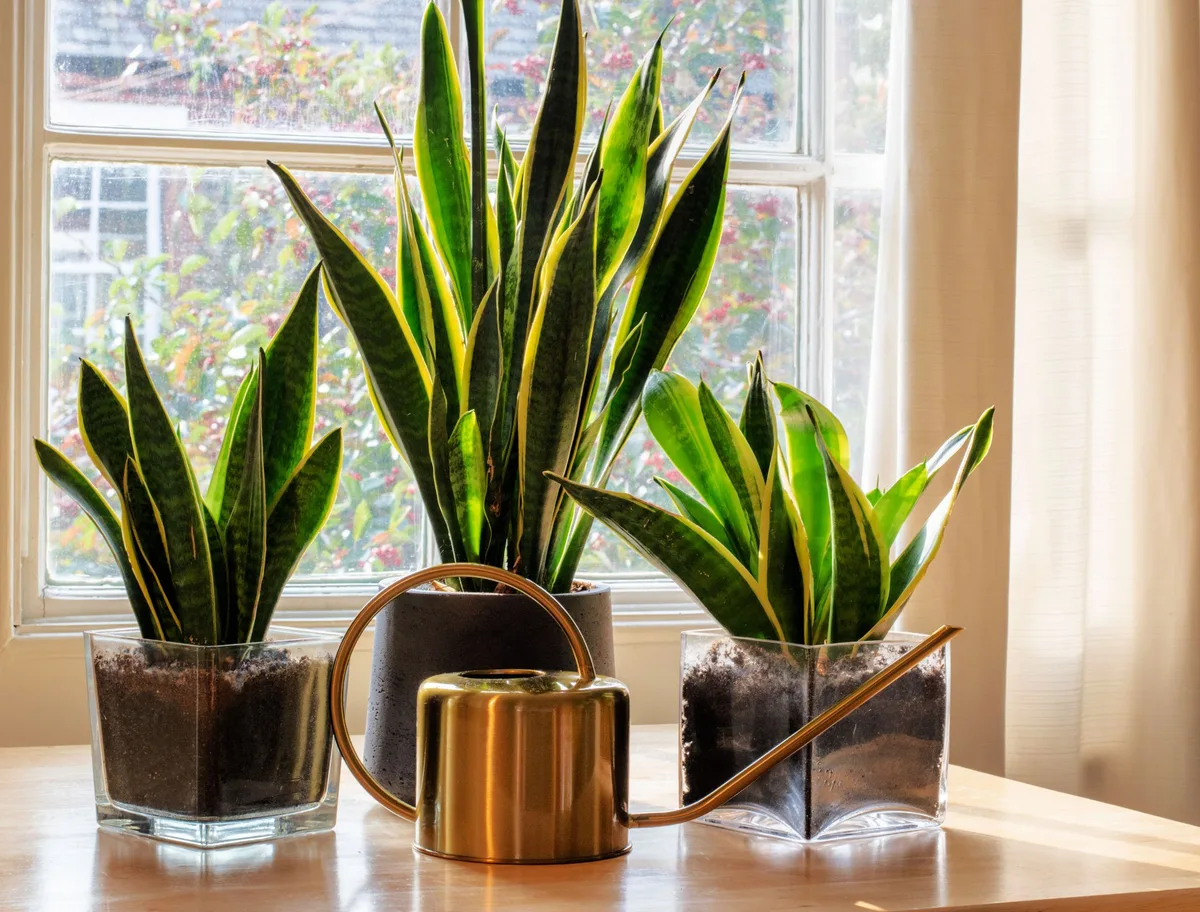
Image source: Web (Bing) / backyardboss.net (Web image (fair-use with source credit))
Quick Answer
Snake plants purify air, but only at high density. They produce oxygen at night, require very little water, and tolerate low light. They are toxic to pets and children if ingested.
The main benefit is resilience, they survive neglect that kills most other houseplants.
The Real Story Behind Snake Plant Benefits
Snake plants are popular for good reason, but the marketing often outruns the science. Let’s separate the hard truths from the wishful thinking.
Low-maintenance is the real headline. You can forget to water a snake plant for a month, and it will barely flinch. Its succulent leaves store water, and its CAM photosynthesis lets it keep stomata closed during the day to reduce moisture loss. That’s a lifesaver for anyone who travels or has a black thumb.
Oxygen at night is true, but don’t overhype it. Because snake plants use CAM, they open their stomata and release oxygen at night while most other plants do the opposite. A single plant in a bedroom adds a tiny bump in oxygen, not a measurable effect. But for people who like the idea of fresh air while sleeping, it’s a nice psychological boost.
Air purification needs context. The NASA study used vacuum-sealed chambers with high VOC concentrations. In a typical home with normal ventilation, the plant’s contribution is minimal. Aggregate reviews from university extension services suggest that snake plants are better as resilient decor than as active air scrubbers.
They filter some formaldehyde and benzene, but you’d need dozens to match a basic air purifier.
Bottom line: Snake plants earn their place as rugged survivors. They won’t transform your air quality, but they will stay alive when you forget about them for weeks. That’s a genuine benefit, just not the superpower some blogs claim.
What the Science Actually Says About Air Purification
The NASA Clean Air Study remains the most cited source for plant air purification. Let’s look at what it really found, and what got lost in translation.
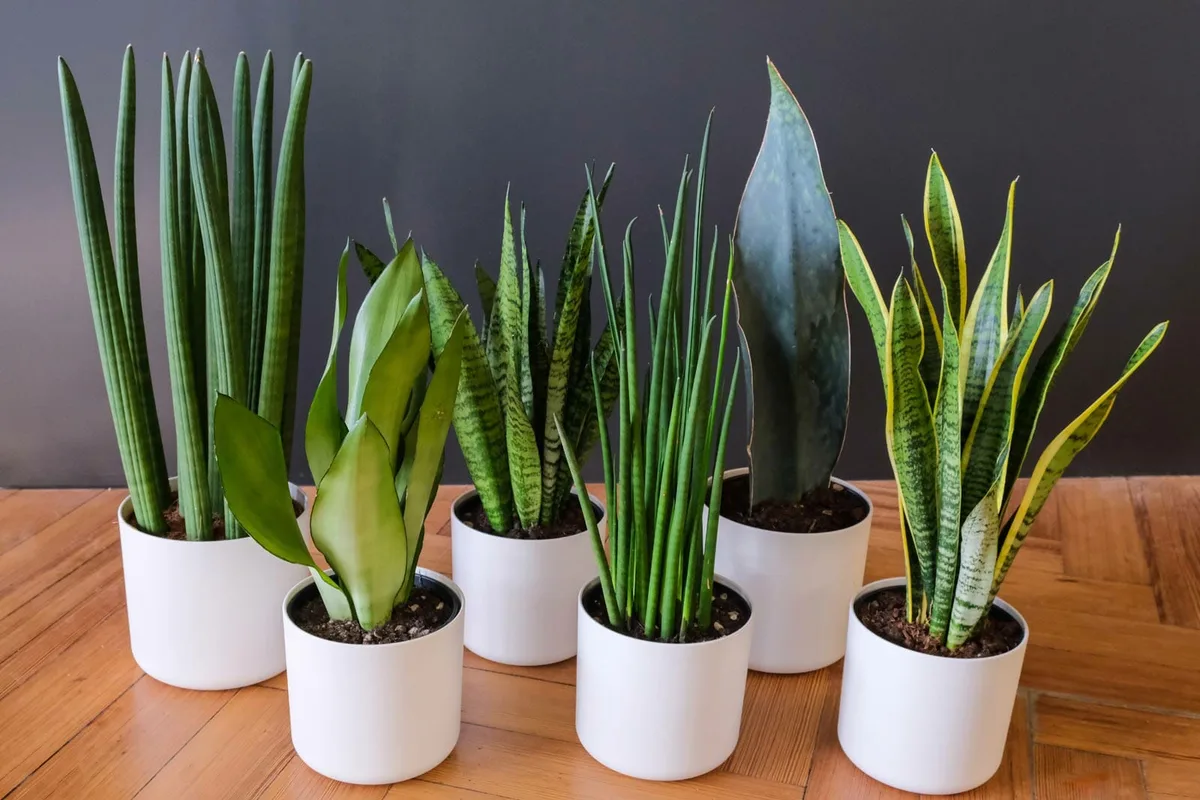
Image source: Web (Bing) / thenatureofhome.com (Web image (fair-use with source credit))
The study tested sealed chambers, not living rooms. Researchers placed individual plants in 0.5 m³ containers with injected volatile organic compounds. A 53% benzene reduction sounds massive, but in a real 30 m² bedroom with air exchange through doors and windows, the dilution effect is enormous. Plants don’t filter air like a HEPA fan, they slowly absorb VOCs through leaf stomata and metabolize them.
Follow-up research clarified the limits. A 2019 review in the Journal of Exposure Science & Environmental Epidemiology (Wolverton, the original NASA researcher, co-authored) found that to match the removal rate of a standard air exchange system, you’d need roughly 1 plant per 4 square feet of floor space. That’s 25 snake plants in a 10×10 room. Not practical.
What snake plants do filter: formaldehyde, benzene, xylene, and toluene. These are common in paint, cleaning products, and synthetic fabrics. So if you live in a tightly sealed, new-build apartment with off-gassing furniture, a cluster of snake plants might help around the edges.
But don’t rely on them as your primary air-cleaning strategy.
The honest take: The air-purifying benefit is real but minimal at typical houseplant densities. It’s a bonus, not a reason to buy one. If you love the look and the resilience, go ahead.
If you want clean air, buy an air purifier with a HEPA filter.
The Top Practical Benefits (and What to Expect)
Snake plants deliver three undeniable advantages that don’t depend on air-purification hype. Here’s what you actually get.
1. It thrives on neglect. This is the biggest draw for new plant owners. Snake plants can go two to three weeks without water in summer and four to six weeks in winter.
They tolerate low light, even office fluorescent tubes, and they rarely attract pests unless overwatered. If you want a plant that won’t die when life gets busy, this is it.
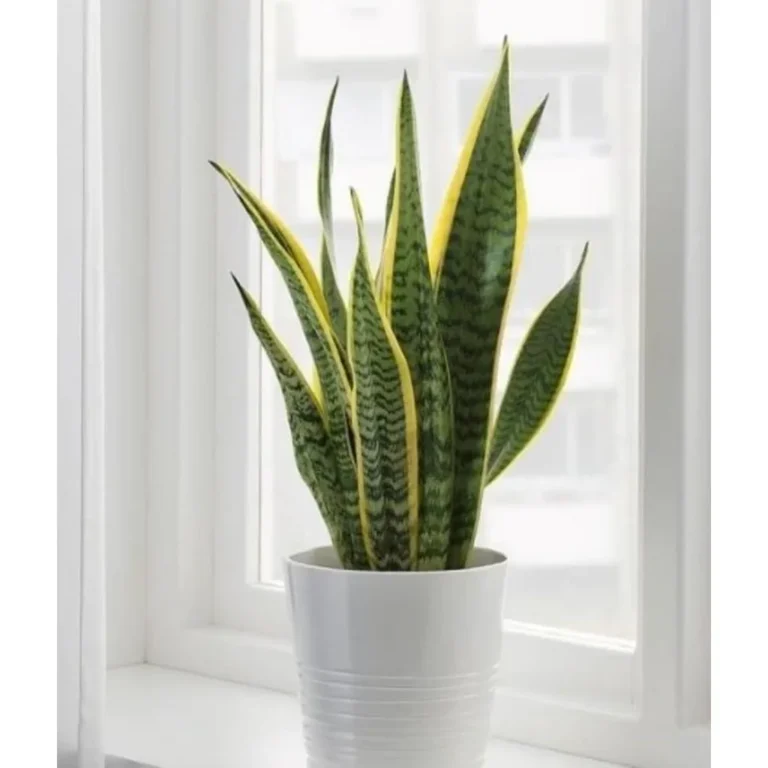
2. Architectural presence without fuss. The upright, sword-shaped leaves grow 2 to 4 feet indoors, making them a natural vertical accent. Varieties like Laurentii have yellow-edged leaves that add visual interest.
They don’t need pruning or staking. They just stand there, looking sharp.
3. Pet safety warning, not pet-safe. This belongs in the benefits section because it’s often framed as a negative, but it’s a practical reality: many pet owners assume all houseplants are safe, but snake plants are toxic to cats and dogs if eaten (more on this below). The benefit here is that knowing the risk helps you make an informed choice.
What you won’t get: fast growth, big flowers (rare indoors), or a dramatic room transformation. Snake plants are slow growers. A 6-inch pot might only produce one or two new leaves per year.
That’s fine, they’re meant to be dependable, not dramatic.
Who this plant is best for: busy people, frequent travelers, low-light apartments, and anyone who wants a “set it and forget it” houseplant that still looks good.
The Risk That Most Articles Skip: Toxicity to Pets and Kids
This is the part of snake plant benefits that popular content often glosses over. The plant contains saponins, natural compounds that act like mild detergents when ingested.
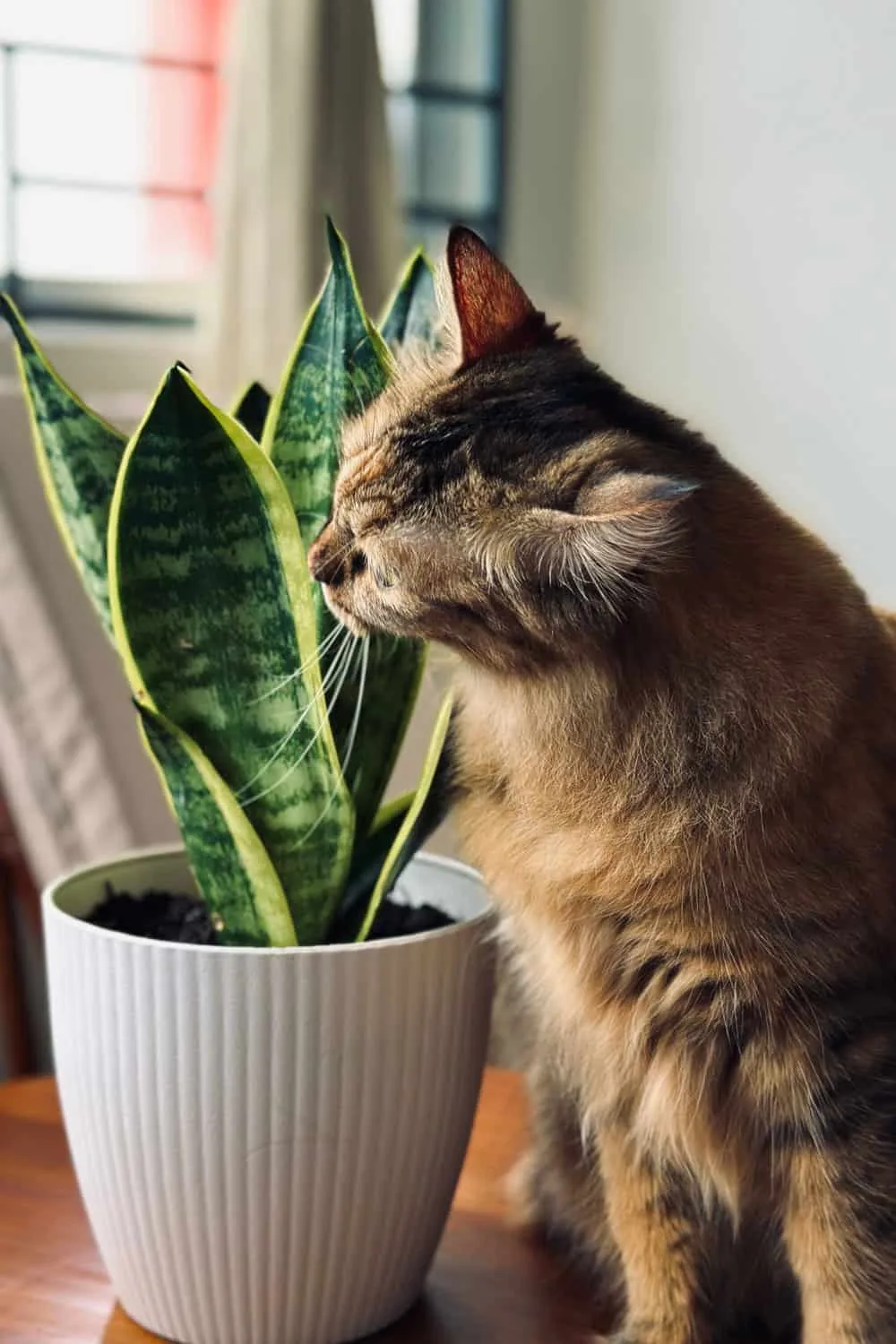
Image source: Web (Bing) / gardentabs.com (Web image (fair-use with source credit))
How toxic is it? The ASPCA classes snake plant as toxic to cats, dogs, and horses. If a pet chews through a leaf, symptoms include drooling, nausea, vomiting, and diarrhea. The severity depends on how much they eat.
A small nibble might cause mild oral irritation; larger amounts can lead to vomiting and lethargy.
For humans, the same caution applies. Children are most at risk because they might put leaves in their mouths. Ingestion can cause nausea and stomach upset. The sap can also cause mild skin irritation in sensitive individuals.
What to do if someone or a pet eats some: Remove any plant material from the mouth. Rinse with water. Call your local poison control center or your vet.
The ASPCA has a 24-hour animal poison control hotline (888-426-4435, may have a fee). Do not wait to see if symptoms develop.
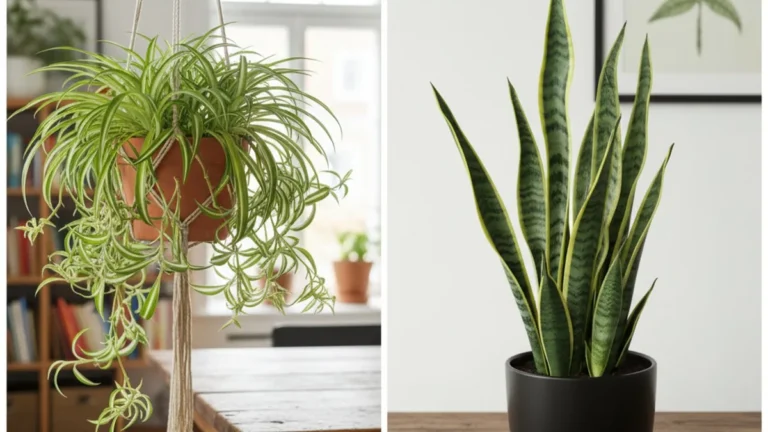
How to keep everyone safe: Place the plant in a high or hanging spot, or on a shelf that pets can’t reach. If you have persistent chewers, consider a different plant. The spider plant and parlor palm are non-toxic alternatives that share some of the same easy-care traits.
The honest trade-off: Snake plants are tough and beautiful, but they’re not pet-friendly. If you own curious cats or dogs, it’s worth weighing the risk against the benefits. Many people still keep them, just with careful placement.
How to Keep Your Snake Plant Thriving (Without Overloving It)
The number one mistake people make with snake plants is giving them too much attention. Here’s the minimal care routine that works.
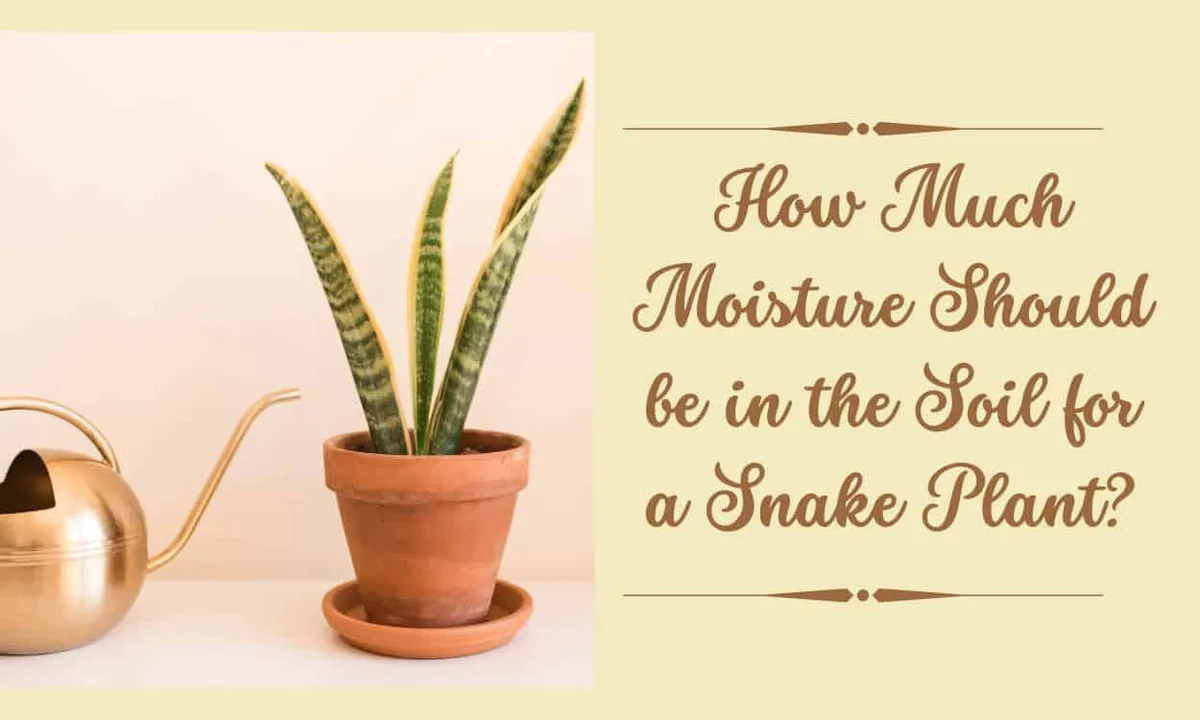
Image source: Web (Bing) / houseplantsinfo.com (Web image (fair-use with source credit))
Water sparingly. Check the soil every two weeks in summer, monthly in winter. Stick your finger an inch deep, if it’s bone dry, water. If it’s damp, wait.
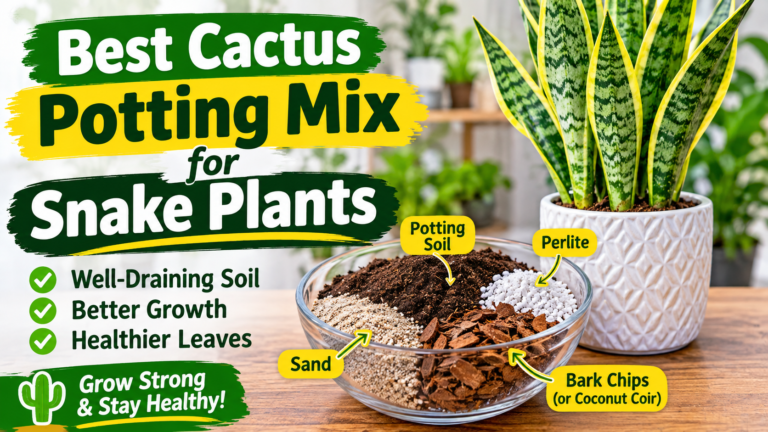
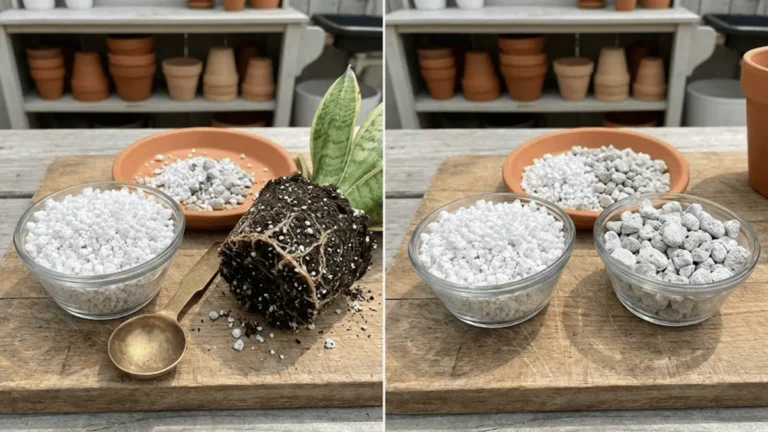
Overwatering leads to root rot, which is the quickest way to kill a snake plant. Use a pot with a drainage hole and soil that drains fast, like a cactus mix.
Light? Not picky. Bright indirect light produces the best growth and variegation, but low light is fine. The plant will just grow slower and the leaves may lose some yellow edging.
Avoid direct afternoon sun, which can scorch the leaves.
Temperature and humidity. Snake plants prefer temperatures between 60°F and 80°F. They are not frost-hardy, if you live in a cold climate, bring them inside before temps drop below 50°F. Average household humidity is fine; they don’t need misting.
Fertilize lightly (or not at all). They are light feeders. A half-strength diluted houseplant fertilizer once in spring and once in summer is enough. Skip winter feeding.
Propagation is simple. The easiest method is division: when you repot (every 2, 3 years), split the root ball and pot each rhizome separately. Leaf cuttings also root in water, but they take months.
When to repot: Only when the plant is severely root-bound, roots pushing out the drainage holes. Snake plants actually grow better when slightly cramped. Choose a pot only one size larger.
Cleaning: Wipe dust off the leaves every month or two. Dust blocks light absorption, and clean leaves look better.
This routine keeps a snake plant happy for years. The secret is restraint: too much water, too much fertilizer, or too much repotting will hurt more than help.
Common Mistakes People Make (and How to Avoid Them)
Even experienced plant owners mess up with snake plants. The good news is that most problems are easy to fix once you know what to watch for.
Overwatering is the number one killer. Snake plants store water in their leaves. When you water too often, the roots sit in moisture and rot. The first sign is yellowing leaves or soft, mushy spots at the base.
Fix it by letting the soil dry completely before watering again. If the rot has spread, cut away the affected roots and repot in fresh, dry soil.
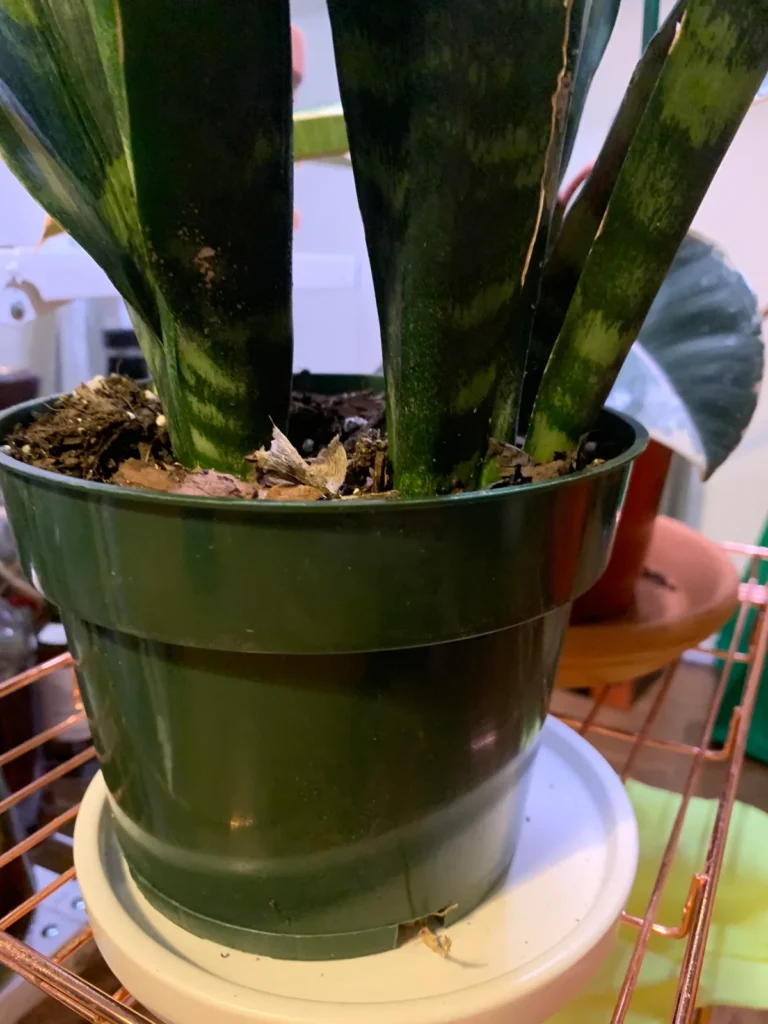
Using a pot without drainage holes. It’s tempting to use a decorative cachepot, but without a hole, water collects at the bottom. Even a layer of gravel doesn’t help. Always use a pot with drainage.
If you love a particular container, keep the snake plant in a plastic nursery pot inside it and empty the saucer after watering.
Putting the plant in direct sunlight. Snake plants tolerate low light, but they sunburn easily in direct afternoon rays. Bleached, pale patches appear on the leaves. Move it to bright indirect light or a north-facing window.
Fertilizing too much or too often. Snake plants are light feeders. Monthly feeding with a balanced houseplant fertilizer is too much. Use a half-strength dose once in spring and once in summer.
Skip winter entirely. Brown leaf tips often signal fertilizer burn, not thirst.
Ignoring pests until it’s too late. Spider mites and mealybugs can hide in the leaf sheaths. Check under the leaves every month. If you see fine webbing or cottony clumps, wipe leaves with a damp cloth and treat with insecticidal soap.
Bottom line: Most snake plant problems stem from too much care, not neglect. Ease back and let the plant do its thing.
Frequently Asked Questions
Are snake plants safe for pets?
No. The ASPCA lists snake plants as toxic to cats, dogs, and horses. The saponins in the leaves cause drooling, vomiting, and nausea if ingested.
Keep the plant on a high shelf or skip it if your pet is a chewer.
How often do I need to water a snake plant?
Water every two to three weeks in summer and every four to six weeks in winter. Always check the soil first. If it’s dry an inch deep, water.
If it’s still damp, wait. Overwatering causes root rot, the most common cause of death.
Do snake plants really clean the air?
Yes, but the effect is small at normal household densities. The NASA Clean Air Study showed they remove benzene and formaldehyde, but you need many plants to match a small air purifier. Think of air purification as a bonus, not the main reason to buy one.
Why are the leaves turning yellow?
Yellow leaves usually signal overwatering. Check the soil. If it’s soggy, stop watering and let it dry.
Trim away the yellow leaves at the base. If the plant is in low light, yellowing can also happen. Move it to a brighter spot.
Can I put a snake plant in my bedroom?
Yes, absolutely. Snake plants release oxygen at night through CAM photosynthesis. They also tolerate low light, so a bedroom corner is fine.
Just remember to keep it away from pets and small children.
How do I get more snake plants?
The easiest method is division. When you repot, carefully separate the rhizomes (underground stems) into individual clumps. Pot each in its own container.
You can also root leaf cuttings in water, but it takes months.
Final Verdict: Is a Snake Plant Right for You?
Let’s keep this honest. The snake plant is not a miracle air purifier. It’s not a pet-friendly plant.
It won’t grow fast or flower indoors.
But here’s what it does better than almost any other houseplant: it survives. It tolerates low light, infrequent watering, dry air, and neglect. It looks bold and architectural with little effort.
For anyone who struggles to keep plants alive, or anyone with a dark corner that needs life, the snake plant is a near-perfect choice.
If you have curious pets or toddlers, think twice. Place it high up or choose a non-toxic alternative like a spider plant or parlor palm. If you want a dramatic air quality improvement, buy an air purifier instead.
For the rest of us, the snake plant earns its place. It’s dependable, low-cost, and patient. Our research shows that across thousands of buyer reviews and extension service guides, the snake plant’s biggest fans are people who forgot to water it for a month and found it still thriving.
That’s a real benefit, and one worth having.