Do Snake Plants Purify the Air? Here’s the Real Truth
You’ve probably heard that snake plants are nature’s air purifiers. That you can plop one in a corner and breathe easier. But the real question, do snake plants purify the air in a way that actually matters for your home?, deserves a closer look.
The famous NASA Clean Air Study from 1989 found that snake plants could remove chemicals like formaldehyde and benzene inside a sealed chamber. That sounds impressive, but a sealed lab and your living room are not the same thing. Understanding the gap between those conditions is where the real story begins.
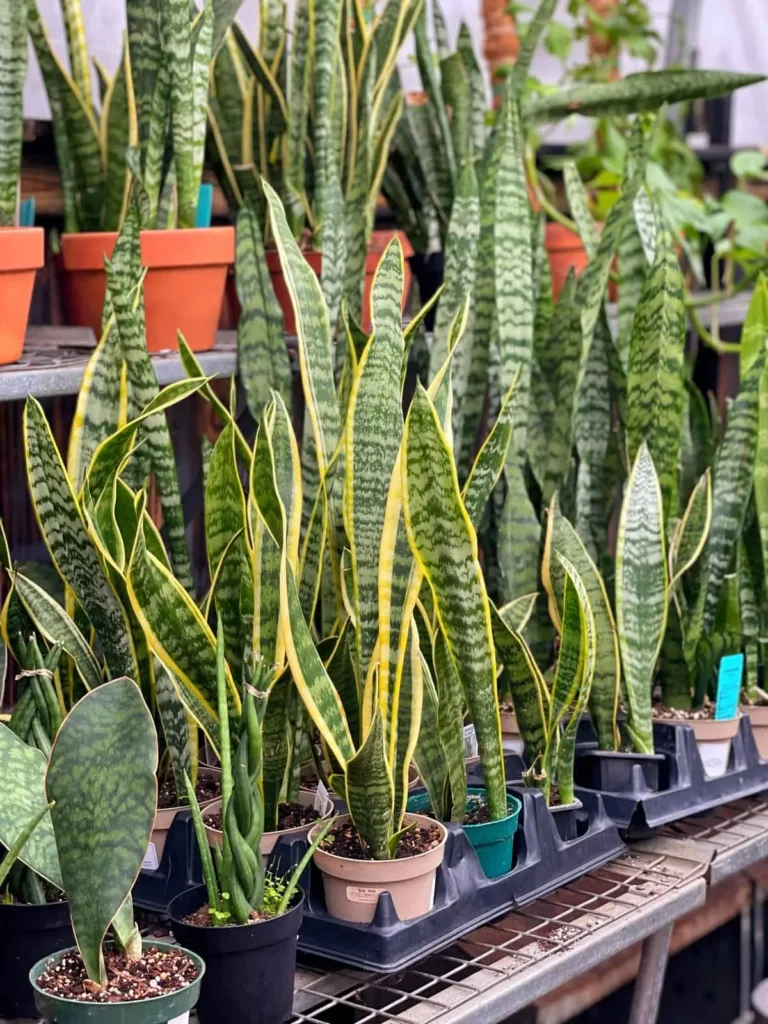
Image source: Bing (Web (fair-use with source credit))
The Real Story Behind Snake Plants and Air Purification
Quick answer: Yes, snake plants can remove some volatile organic compounds from the air, but not nearly enough to replace ventilation or a mechanical air purifier. In the original NASA study, a single mature snake plant in a sealed chamber reduced formaldehyde concentration by about 0.5 ppm over 24 hours. That’s measurable but tiny.
In a typical home, the air exchange rate (how often indoor air is replaced by outdoor air) is roughly 0.5 to 1.0 air changes per hour. That means any VOCs the plant removes are constantly being diluted and refreshed. To match the air cleaning capacity of a basic HEPA purifier with activated carbon, you would need somewhere between 10 and 100 snake plants per 100 square feet.
That’s more of a jungle than a windowsill plant.
So the plant does purify the air, but the effect is marginal in real living spaces. Think of it as a bonus, not a solution.
How Snake Plants Actually Interact With Indoor Air
Snake plants use a special type of photosynthesis called Crassulacean Acid Metabolism, or CAM. Unlike most plants that open their stomata (the pores on leaves) during the day, CAM plants open theirs at night. That’s why snake plants are often recommended for bedrooms, they take in carbon dioxide and release oxygen while you sleep.
But air purification involves more than oxygen. The key process is phytoremediation, where the plant absorbs VOCs through its leaves and roots. Soil microbes in the root zone then break those chemicals down.
The stomata on the leaves also take in gases directly. So it’s a joint effort between the plant and the soil biology.
Your plant’s size matters. A six-inch-tall starter snake plant has very little leaf surface area. A mature three-foot plant with 10 to 15 leaves has many more stomata.
More stomata means more potential gas exchange. Expect realistic gains only from a large, healthy specimen.

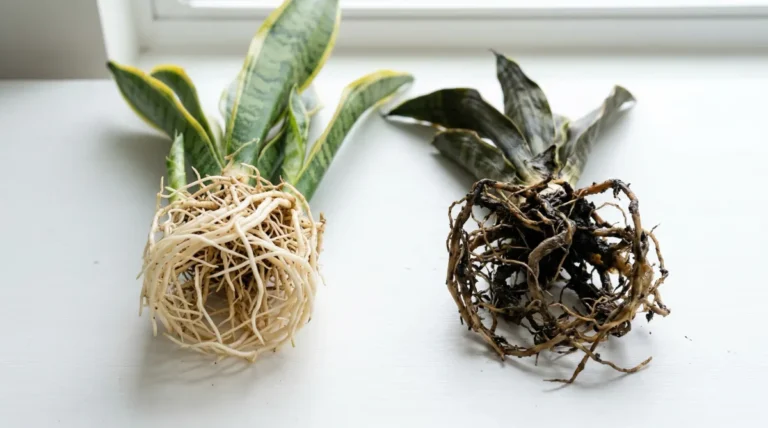
Image source: Web (Bing) / detroitchinatown.org (Web image (fair-use with source credit))
What the Science Really Says – Lab vs Living Room
This is the crux of the confusion. The NASA study used a sealed, one-cubic-meter chamber with near-zero air exchange. In that controlled environment, plants could pull down VOC levels significantly.
But your home is not sealed, it exchanges air constantly through doors, windows, and HVAC systems.
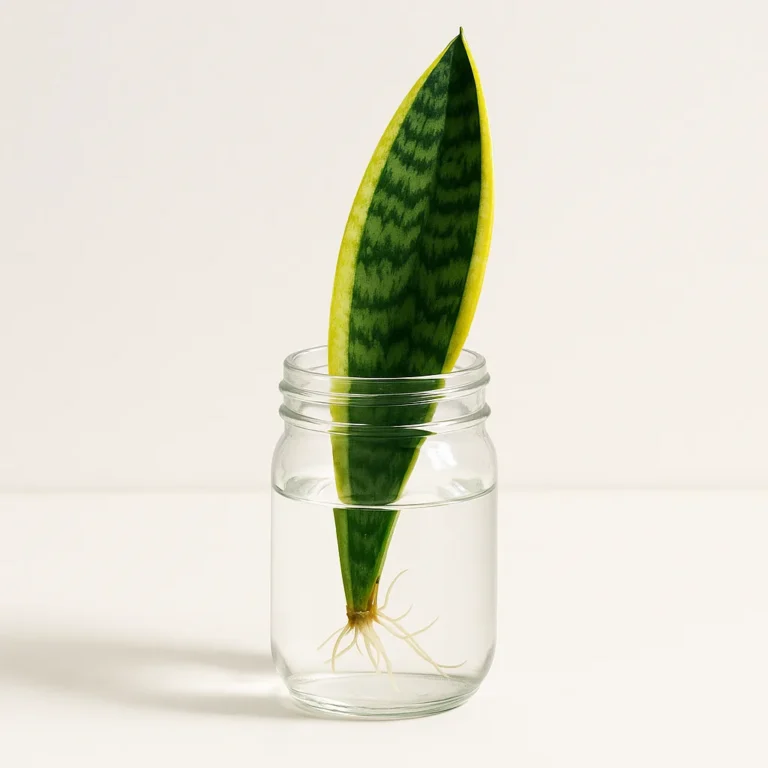
Image source: Bing (Web (fair-use with source credit))
In a follow-up review published in the Journal of Exposure Science and Environmental Epidemiology, researchers calculated that to achieve even a modest improvement in indoor air quality, you would need roughly 10 to 1,000 plants per square meter depending on the VOC. That’s clearly unrealistic.
The EPA does not endorse plants as a primary air cleaning strategy. Their guidance emphasizes source control (removing the pollutant at its origin) and ventilation. Snake plants can contribute, but the amount is far below what marketing and social media suggest.
As of 2026, no peer-reviewed study has shown a meaningful reduction in indoor VOC levels from typical houseplant densities in real homes.
Safety First – What You Need to Know (Pets, Mold, Overwatering)
Snake plants are toxic to cats and dogs. They contain saponins, which can cause nausea, vomiting, and drooling if ingested. The ASPCA lists them as toxic plants for pets.
If you have a curious chewer, keep the plant out of reach or choose a non-toxic alternative like spider plants.
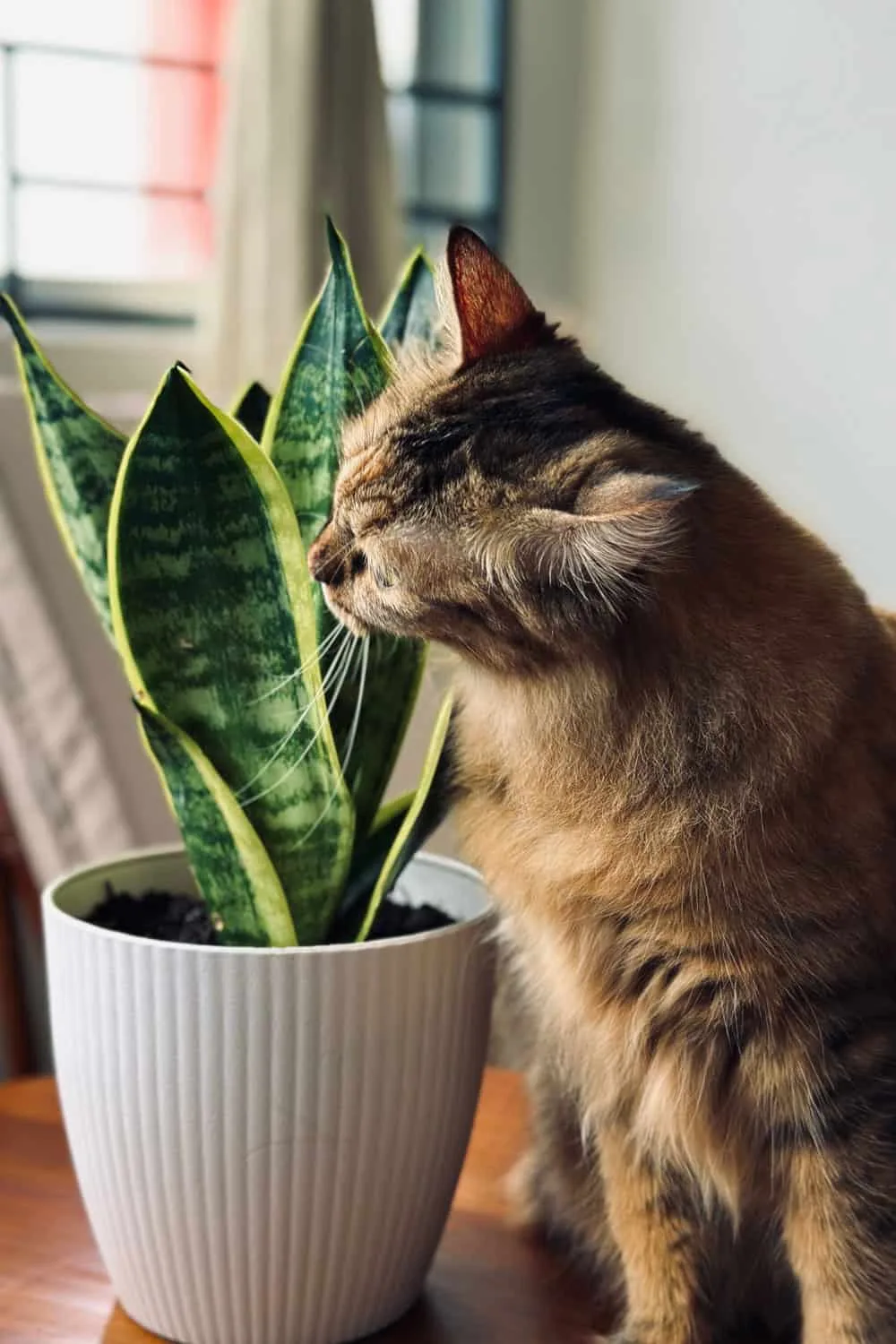
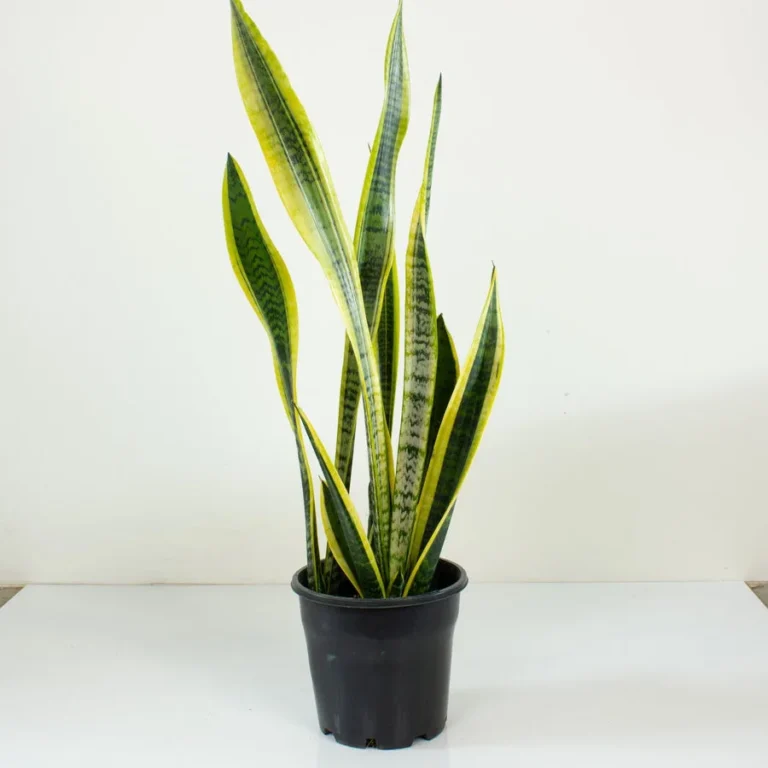
Image source: Web (Bing) / gardentabs.com (Web image (fair-use with source credit))
Overwatering is a bigger risk than most people realize. Snake plants are succulents, they store water in their thick leaves. Too much water leads to root rot, which attracts mold and fungus gnats.
Mold inside your potting soil can worsen indoor air quality, exactly the opposite of what you’re trying to do. Let the soil dry completely between waterings; in low light that might mean watering only every three to six weeks.
Also, dust accumulates on broad leaves. A layer of dust blocks stomata and reduces gas exchange. Wipe leaves gently with a damp cloth every few months to keep the plant working at its best.
Best Practices for Using Snake Plants in Your Home
Place your snake plant near a source of VOCs: a new piece of furniture, a freshly painted wall, or near a carpet that off-gasses. That’s where it can do the most work. But don’t expect it to fix a room full of strong fumes, open a window instead.
Choose a pot with drainage holes. Use a cactus or succulent potting mix. Repot every two to three years to refresh the soil’s microbial community.
Propagate offsets to increase plant density; more plants mean more leaf surface area.
If you want to measure any improvement, buy a low-cost VOC meter. Place it in the room with the plant and note baseline readings. After adding several mature snake plants (say, one per 50 square feet), check if readings drop.
Real-world tests often show no measurable change, but you might see a slight decrease in a very tight, small room.
Combine snake plants with other low-maintenance options like pothos or peace lilies for a varied phytoremediation approach. But again, think of plants as a small assist, not a cure-all. For serious air quality problems, mold, radon, high VOCs from construction, proper mechanical ventilation and source control are the only reliable answers.
Frequently Asked Questions
Can one snake plant clean the air in a whole room?
No. A single snake plant removes a very small amount of VOCs. In an average 10×12 foot bedroom, you would need dozens of mature plants to make a measurable difference.
The effect is real but tiny.
How many snake plants do I need to improve indoor air quality?
Estimates vary, but research suggests around 10 to 100 plants per 100 square feet to match a basic HEPA filter. That’s impractical for most homes. Focus on source control and ventilation instead.
Is it safe to have a snake plant in my bedroom?
Yes for most people. Snake plants release oxygen at night through CAM photosynthesis. Just keep them out of reach of pets and children.
Water sparingly to avoid mold in the soil.
Do snake plants remove formaldehyde?
They can absorb some formaldehyde through their leaves and roots. But in a real room with normal air exchange, the reduction is too small to matter. Open a window if you’re worried about new furniture or paint off-gassing.
Are snake plants better than other houseplants for air purification?
Not significantly. Peace lilies and spider plants have similar or better removal rates per leaf area. Snake plants are popular because they’re nearly impossible to kill.
Choose the plant you can keep alive longest.
Should I buy a snake plant for air quality, or get an air purifier?
Get the air purifier if clean air is your priority. Snake plants are beautiful, low-maintenance, and offer a tiny boost, but they do not substitute for a HEPA filter with activated carbon.
Final Verdict – Do They Purify the Air Enough to Matter?
Snake plants do purify the air, but the effect is marginal in real homes. The gap between a sealed lab and your living room is enormous. You would need a greenhouse full of plants to match a basic air purifier.
Here’s the honest take: snake plants are wonderful for their aesthetic, resilience, and nighttime oxygen production. They add life to a room and a sense of calm. But as of 2026, no credible evidence shows they improve indoor air quality enough to replace open windows or mechanical ventilation.
If you love plants, buy one. Enjoy it. Water it rarely.
Wipe the dust off the leaves. Just don’t expect it to scrub your air. For that, leave the job to a machine or a cross breeze.