
Spider Plant vs Snake Plant: Which One Should You Get?
You’re debating two of the most popular houseplants on the planet. The spider plant vs snake plant choice comes down to one simple question: do you want a fast‑growing, trailing friend that needs a bit more attention, or an almost‑unkillable upright sculpture that thrives on neglect? Both clean the air and look great indoors, but they suit very different lifestyles.
Per the NASA Clean Air Study published in 1989, both plants can remove common indoor pollutants like formaldehyde and benzene. That study gave houseplant lovers a solid reason to fill their homes with greenery. But which one should you bring home?
Let’s walk through the differences so you can decide with confidence.
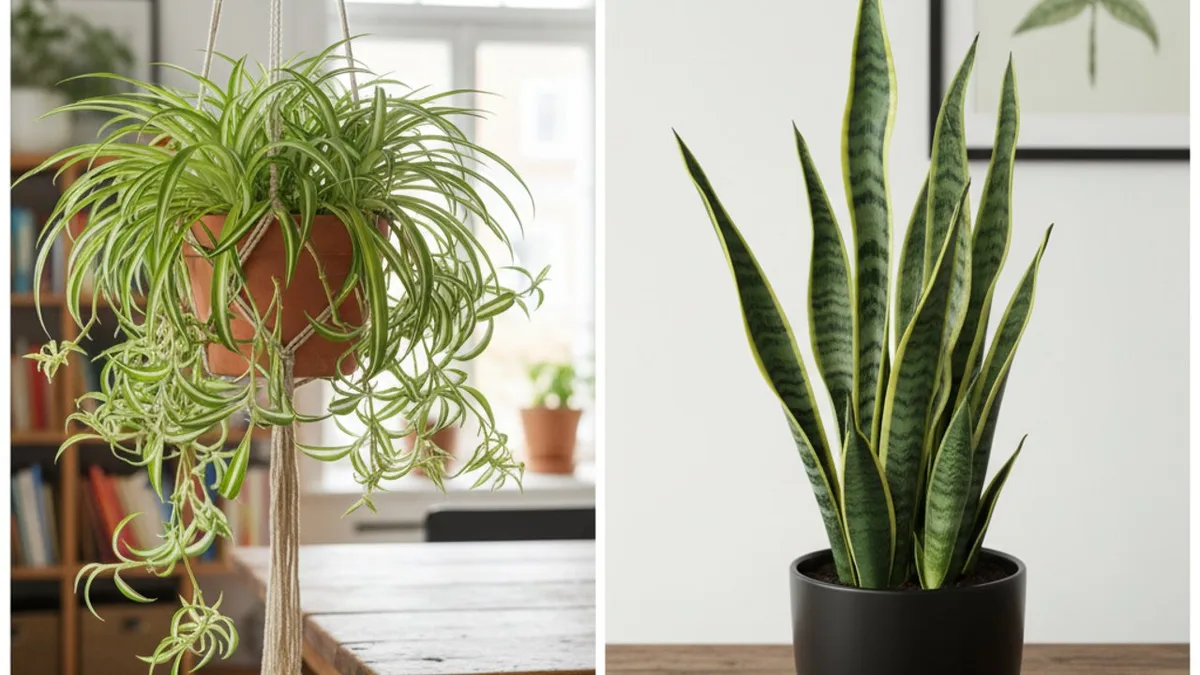
Image source: Bing (Web (fair-use with source credit))
Quick Answer
Spider plant and snake plant both remove toxins from indoor air. Spider plant grows faster, produces baby offshoots, and is safer for pets. Snake plant tolerates darker rooms, drier soil, and needs watering far less often.
Pick spider plant if you want a lush, trailing look and enjoy propagation. Pick snake plant if you have low light or forget to water.
Why Choose Between Spider and Snake Plant?
On the surface, both plants are low‑maintenance and beginner‑friendly. But once you live with them, the care differences become obvious. Spider plants need brighter light and more frequent water.
Snake plants can sit in a dim corner for weeks and still look perfect.
Spider plants also put out dozens of “pups” each year. That makes them great for sharing with friends, but it also means you’ll need to repot or trim regularly. Snake plants grow slowly and stay upright, so they’re better for small spaces where you don’t want a plant to take over.
Another big difference is pet safety. The ASPCA lists spider plant as non‑toxic to cats and dogs. Snake plant contains saponins that can cause nausea or vomiting if eaten.
If your pet likes to nibble leaves, spider plant is the safer choice.
Spider Plant – The Friendly Trailer
Spider plant (Chlorophytum comosum) has long, arching leaves that cascade over the pot. It’s naturally a trailer, so it looks amazing in hanging baskets or on a high shelf. The leaves are bright green with creamy white stripes running down the center or edges, depending on the variety.
This plant grows quickly. In bright indirect light, you’ll see new leaves every week. It also produces long stems with tiny white flowers, followed by baby plantlets (pups).
You can snip off a pup, root it in water or soil, and have a new plant in a few weeks.
Watering is straightforward. Keep the soil lightly moist during spring and summer, and let the top inch dry out between waterings in winter. Brown leaf tips are the most common complaint.
They happen from fluoride in tap water, low humidity, or inconsistent watering. Switch to distilled water and mist occasionally.
Spider plant is ideal for anyone who wants a fast‑growing, pet‑safe plant with plenty of “bonus” plants to share. It does need bright, indirect light, not direct sun, which burns the leaves.
Snake Plant – The Tough Architectural Choice
Snake plant (Dracaena trifasciata, formerly Sansevieria trifasciata) is the plant for people who claim they kill everything. Its stiff, sword‑shaped leaves grow straight up, often with yellow edges and light green horizontal bands. The tallest varieties can reach four feet indoors.
Watering is rare. Let the soil dry out completely, then water deeply. In winter, you might water only once a month.
Overwatering is the number one killer, the roots rot quickly if left sitting in wet soil.
Snake plant is famous for thriving in low light. It will survive in a north‑facing room or even a windowless office. It also releases oxygen at night, which makes it a popular bedroom plant.
Growth is slow, so don’t expect dramatic changes. That’s a plus if you want a plant that stays in place and doesn’t need repotting every year. Propagation is possible through leaf cuttings or division, but it’s slower than spider plant.
Just remember: snake plant is mildly toxic. Keep it out of reach of pets and small children.
Spider Plant vs Snake Plant: Key Differences at a Glance
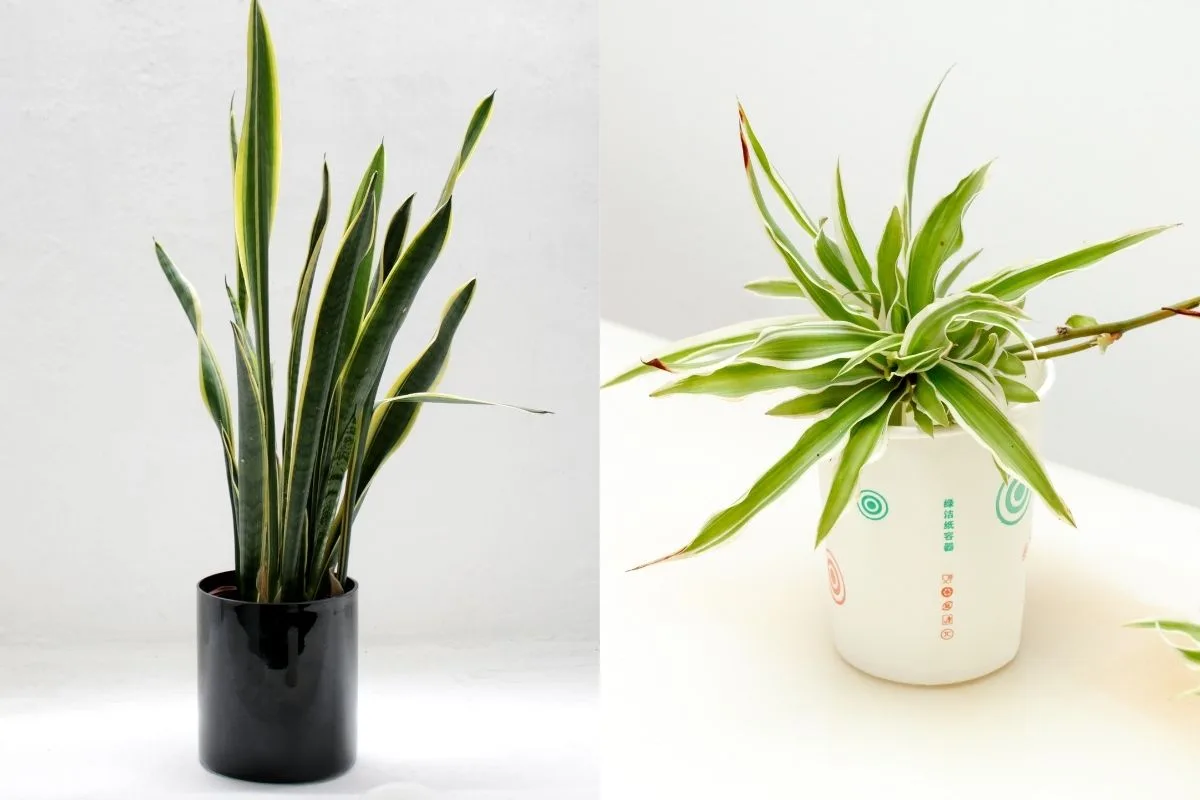
Image source: Bing (Web (fair-use with source credit))
Here’s the side‑by‑side comparison that matters most.
| Feature | Spider Plant | Snake Plant |
|---|---|---|
| Light needs | Bright indirect light | Low to bright indirect |
| Water frequency | Every 7–10 days | Every 14–21 days |
| Growth rate | Fast | Slow to moderate |
| Toxicity | Non‑toxic (ASPCA) | Mildly toxic (saponins) |
| Pet safety | Safe for cats/dogs | Can cause nausea |
| Propagation | Pups (very easy) | Leaf cuttings/division |
| Ideal use | Hanging baskets, high shelves | Floor plant, corners, offices |
| Mature height | 1–2 feet | 1–4 feet (varies) |
The biggest takeaway: spider plant wants more light and water, but gives you rapid growth and free plants. Snake plant asks almost nothing and stays put.
Which One Should You Pick? (Use Cases & Decision Guide)
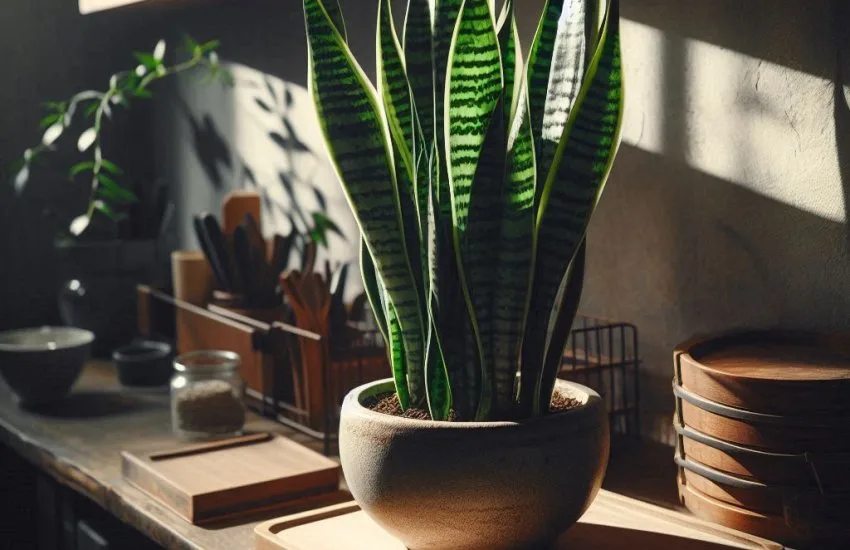
Image source: Web (Bing) / gardenbotany.com (Web image (fair-use with source credit))
Your choice depends on where the plant is going and how much time you want to spend caring for it.
Pick spider plant if:
- You have a bright spot with indirect light.
- You want a trailing plant for a shelf or hanging basket.
- You have pets that might nibble leaves.
- You enjoy propagating and sharing plants.
- You’re okay with watering every week.
Pick snake plant if:
- Your room is dim or has low natural light.
- You travel often or forget to water.
- You want an upright, architectural shape.
- You prefer a plant that stays small and slow‑growing.
- You have no pets or can keep it out of reach.
For the bedroom: snake plant wins because it releases oxygen at night. For the living room: spider plant adds a softer, more dynamic look. For the office: snake plant tolerates fluorescent light and infrequent watering better.
In our research, most beginner plant owners start with a spider plant. They love the fast payoff and the free babies. But once they own a snake plant, they often buy a second one for the bedroom or the dark corner the spider plant couldn’t handle.
You can always get both.
Common Care Mistakes That Ruin Both
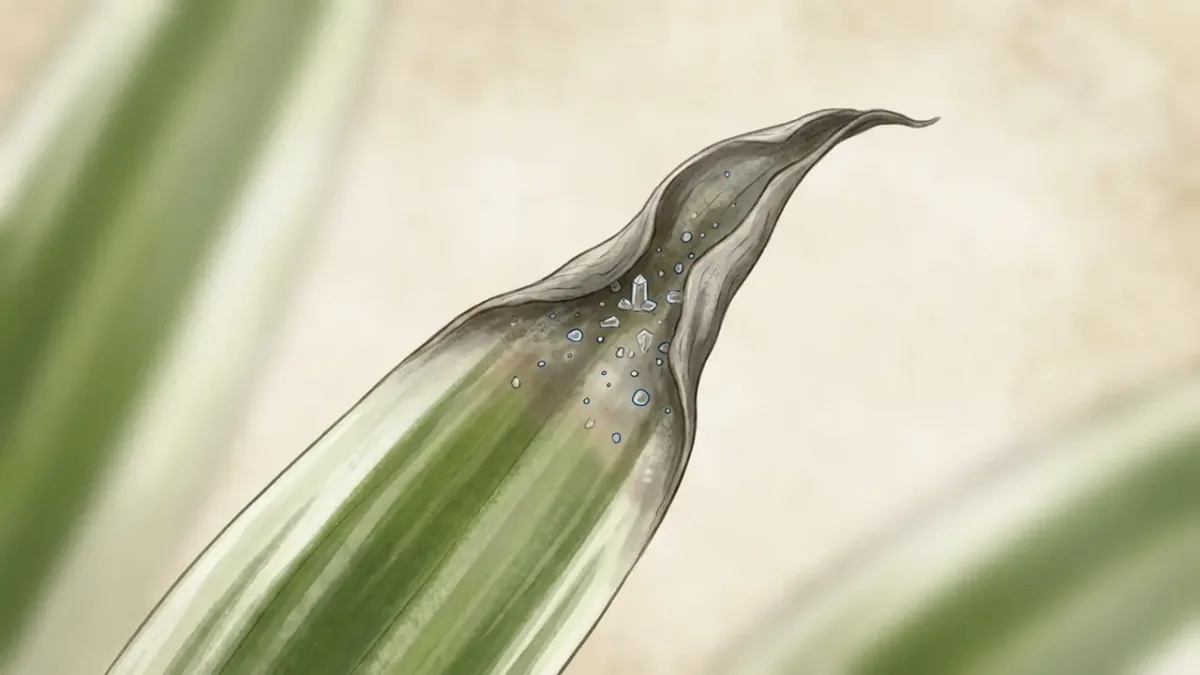
Image source: Bing (Web (fair-use with source credit))
Both plants share one killer mistake: overwatering. Spider plants tolerate wet soil briefly, but constant moisture invites root rot. Snake plants are far more sensitive.
Even one extra watering can turn the roots to mush.
Overwatering snake plant. The leaves turn yellow, then soft and droopy. By the time you notice, the roots are often too far gone. Always check the soil with your finger.
Wait until it’s bone dry at least two inches deep.
Underwatering spider plant. The leaves go pale and the tips turn brown and crispy. That’s the plant telling you it’s thirsty. But brown tips can also come from fluoride in tap water.
Switch to filtered or distilled water and trim the dead tips off.
Wrong pot size. Spider plants like to be slightly root‑bound. A pot that’s too large holds excess moisture and stalls growth. Snake plants prefer snug pots too.
Repot only when roots push through the drainage holes.
Low light for spider plant. You’ll notice the leaves losing their variegation. The white stripes fade to solid green. Move it closer to a window with bright indirect light.
Rotate the pot weekly so all sides get even light.
Too much direct sun for snake plant. The leaves develop brown patches or bleach to a pale yellow. Snake plants can handle some morning sun, but harsh afternoon rays burn them. Keep them a few feet from a south‑facing window.
Ignoring pests. Spider plants occasionally attract spider mites and aphids. Snake plants rarely do. Check the undersides of leaves weekly.
A quick wipe with diluted rubbing alcohol handles most problems early.
Frequently Asked Questions
Are spider plants or snake plants better for air purification?
Both remove formaldehyde, benzene, and other volatile organic compounds. The NASA Clean Air Study showed snake plants also absorb carbon dioxide at night. Spider plants are slightly more effective at removing xylene and toluene.
For overall air quality, either helps. The real impact is modest, though. You’d need several plants per room for measurable results.
Can I put a spider plant and a snake plant in the same pot?
Not recommended. Their watering needs differ too much. The spider plant wants moist soil while the snake plant needs dry periods.
Together, one will suffer. Keep them in separate pots. You can place them side by side for a mixed display with different watering schedules.
How often should I water a snake plant vs a spider plant?
Snake plants need water every two to three weeks in summer, and once a month in winter. Spider plants need water every seven to ten days during the growing season, and every two weeks in winter. Always check the soil first.
Let the top inch dry for spider plants and two inches dry for snake plants.
Which plant is safer for cats and dogs?
Spider plant is completely non‑toxic according to the ASPCA. Snake plant contains saponins, which can cause drooling, vomiting, or lethargy if ingested. If your pet chews leaves regularly, choose the spider plant.
If you already own a snake plant, keep it elevated and out of reach.
Why are my spider plant leaves turning brown at the tips?
Brown tips are usually from fluoride in tap water, low humidity, or inconsistent watering. Try using distilled or rainwater. Mist the leaves occasionally or group plants together to raise humidity.
Snip off the browned tips with clean scissors. The plant will recover once you address the cause.
Do snake plants need direct sunlight?
No. Snake plants thrive in low to bright indirect light. Direct sun for more than a few hours can scorch the leaves.
A bright room without direct rays is perfect. If the leaves start curling or fading, move the plant farther from the window.
Final Verdict
If you can keep houseplants alive with minimal effort, you will succeed with either. But one clearly fits your situation better.
Get the spider plant if you want fast growth, free baby plants, pet safety, and a trailing habit. You’ll need bright indirect light and a weekly watering habit.
Get the snake plant if you have low light, travel often, or prefer a sculptural upright look. It forgives neglect. Water it once a month and forget about it.
In our research, most households end up with both. The spider plant goes in the bright kitchen window. The snake plant sits in the dim bedroom corner.
They complement each other and cover different spots in your home.
As of 2026, both remain the top two recommendations for beginner plant parents. Choose based on light and water availability. You really can’t go wrong.