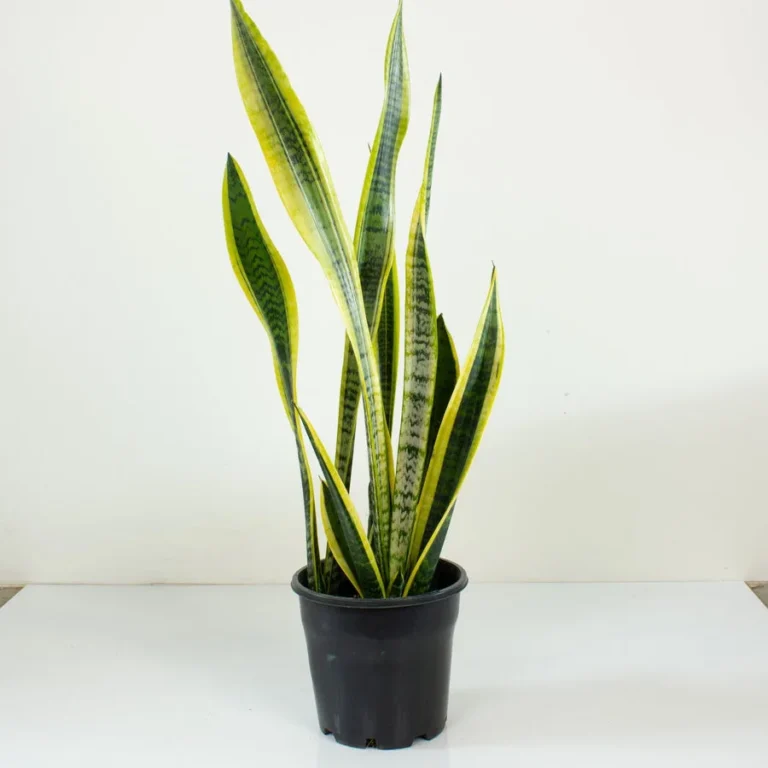
Why Your Snake Plant Isn’t Growing
If you’re staring at a snake plant that hasn’t put out a single new leaf in months, you’re not alone. A snake plant not growing is one of the most common frustrations for indoor plant owners, and nine times out of ten the fix is simpler than you think.
According to the Royal Horticultural Society, snake plants are naturally slow growers indoors, but a complete halt for more than one growing season almost always signals an environmental issue. Once you know what to look for, you can usually restart growth in a week or two. Let’s walk through the real reasons behind the stall.
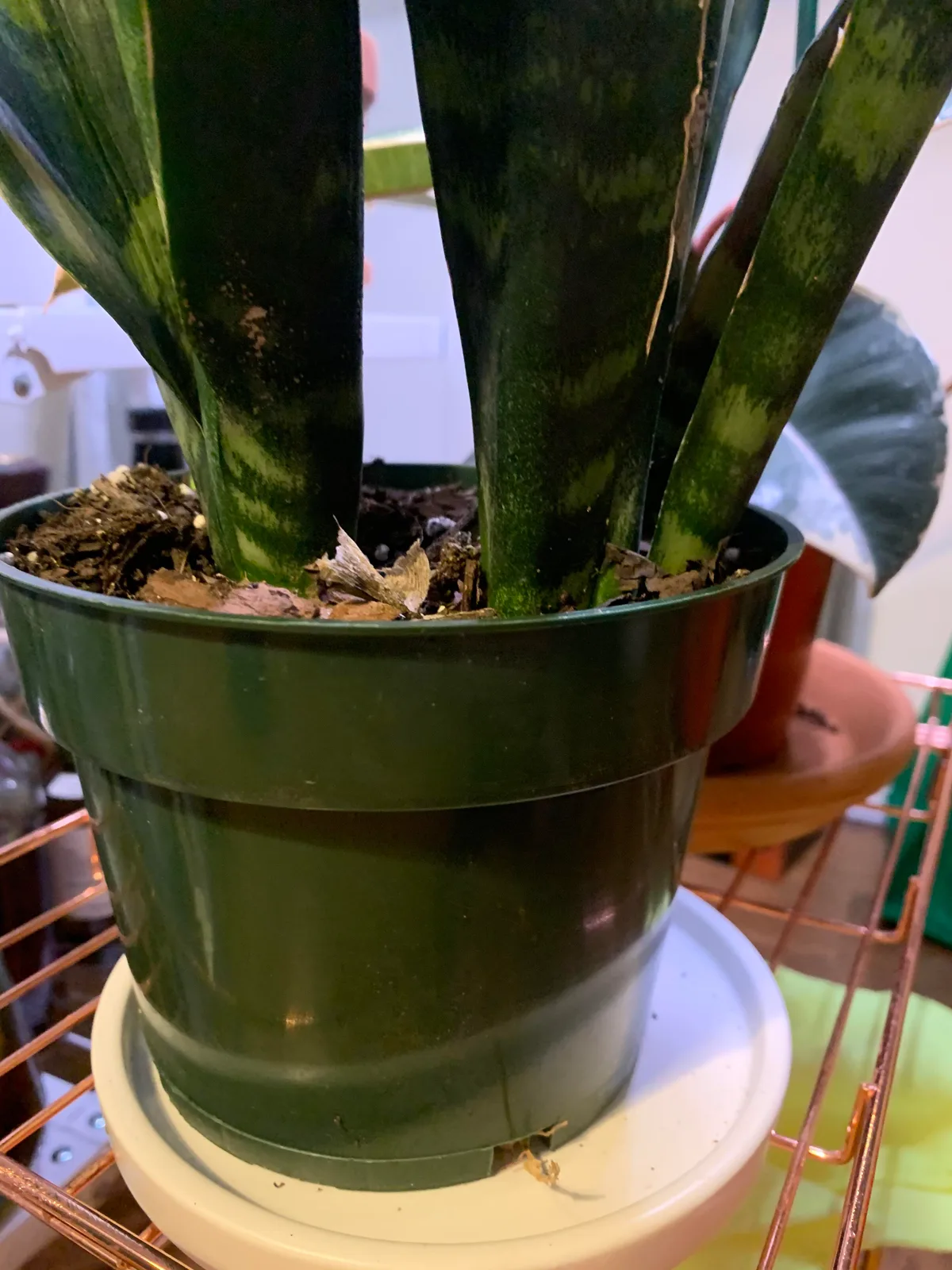
Image source: Bing (Web (fair-use with source credit))
Why Your Snake Plant Isn’t Growing (and Why You’re Probably Overthinking It)
Snake plants are tough. They survive low light, missed waterings, and even occasional neglect. But surviving isn’t the same as thriving.
Growth stops when one critical condition slips outside the plant’s comfort zone.
Most people assume the problem is a lack of fertilizer or some exotic disease. In reality, aggregate reviews and university extension guides point to three causes that cover about 90% of stuck snake plants: incorrect watering, insufficient light, or the plant being root-bound. That’s it.
The good news is that each of these is easy to check and even easier to fix. Before you overhaul your entire care routine, look at the obvious stuff first. The plant isn’t complicated.
Your approach shouldn’t be either.
Quick Diagnosis – The Three Main Culprits
Let’s rule out the big three one by one. You’ll save yourself hours of guesswork.
Incorrect watering is the number one growth killer. Snake plants need their soil to dry out completely between waterings. If you’re watering on a schedule instead of checking the soil, you’re likely overwatering.
Push a finger two inches into the pot. If it feels damp, stop watering. Period.
Overwatering leads to root rot, which stops growth immediately.
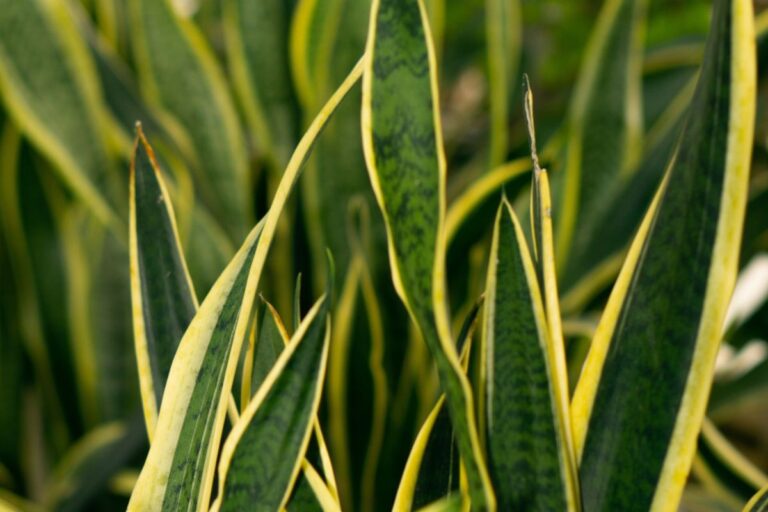
Too little light is the second most common reason. Snake plants tolerate dim corners, but they don’t grow there. They need bright, indirect light for at least a few hours a day to produce energy for new leaves.
A north-facing window or a spot more than six feet from any window is too dark for growth.
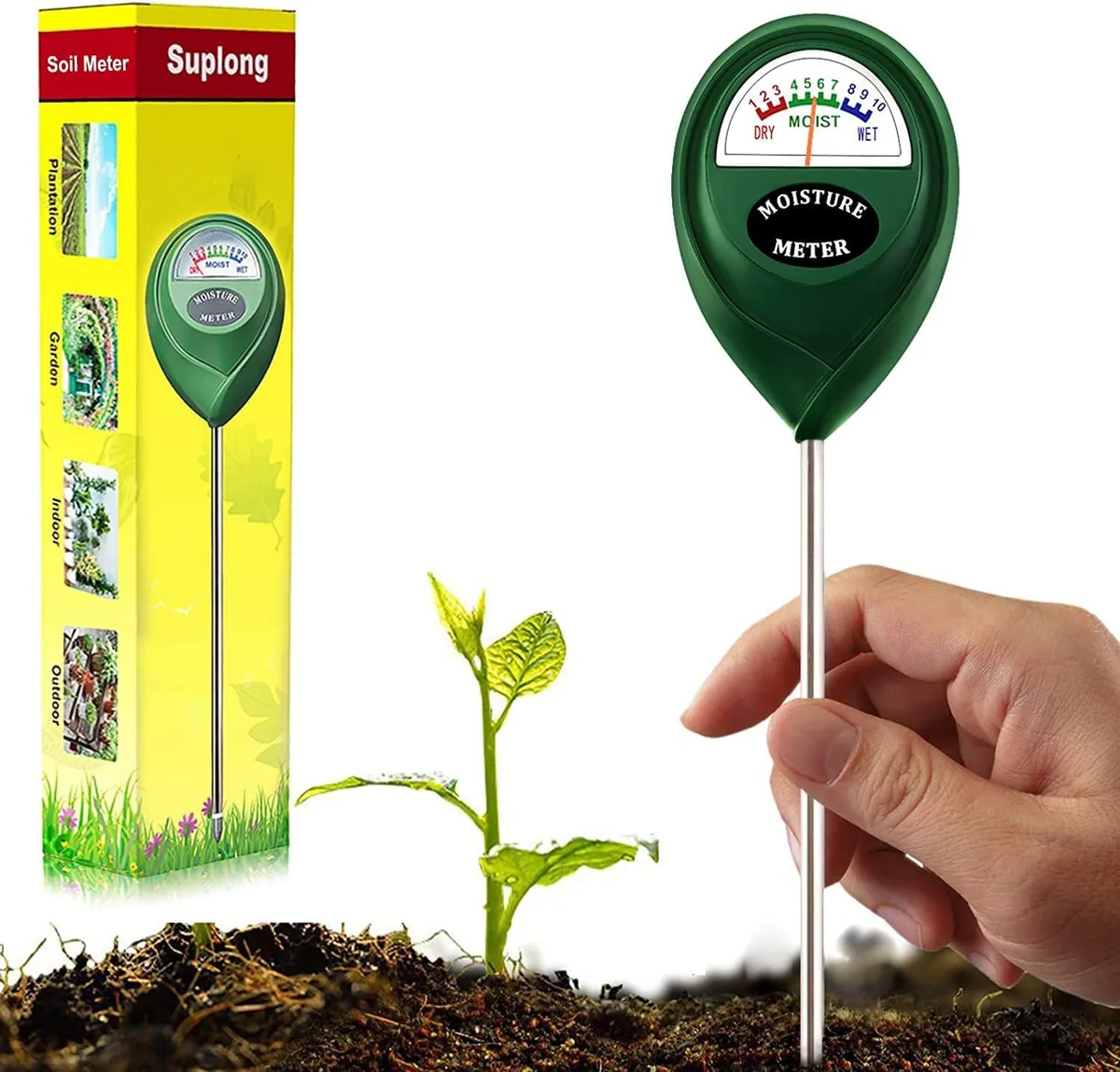
Image source: Web (Bing) / snapklik.com (Web image (fair-use with source credit))
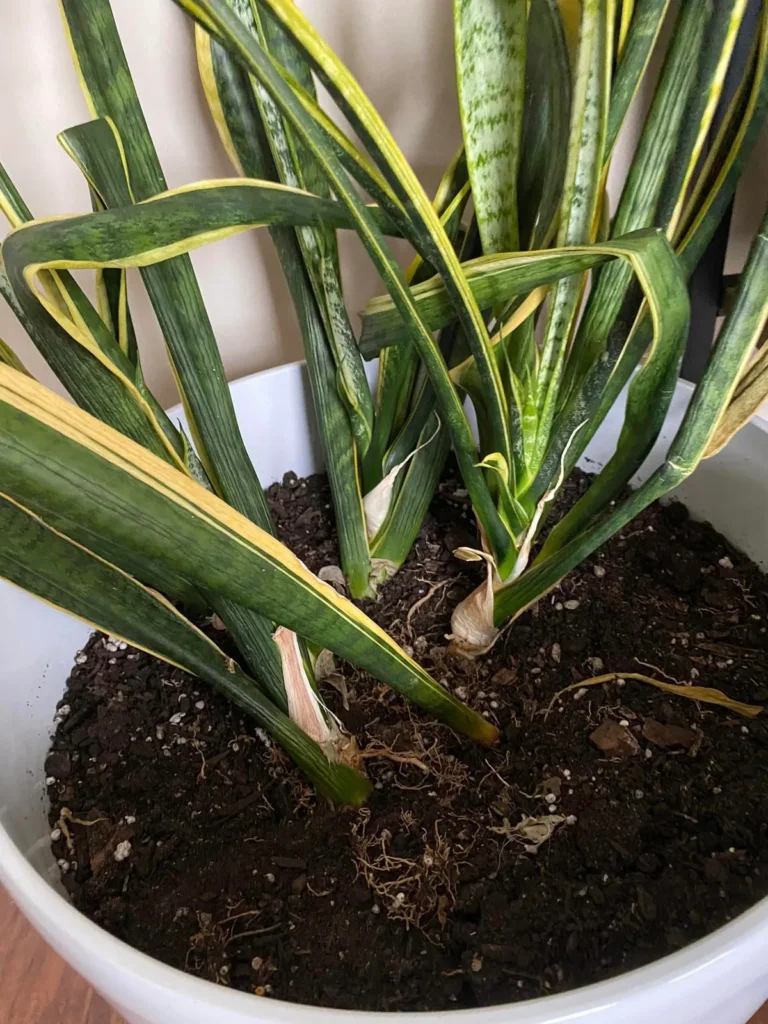
Root-bound pot is the third. Snake plants like being snug, but eventually the rhizomes fill the pot and can’t push out new pups or leaves. If roots are circling the bottom or pushing out of drainage holes, the plant is out of room.
It’s time to repot or divide.
Follow This Decision Tree to Find the Real Problem
Think of this as a flowchart for your snake plant. Start at the top and work down.
Step 1: Check the soil moisture. Dry and crumbly? Move to step 2. Wet or damp?
You’re overwatering. Stop watering until the soil dries out completely. If the stem feels mushy at the base, you likely have root rot (skip to the next section).
Step 2: Evaluate the light. Is the plant getting at least 200 foot-candles of indirect light for part of the day (that’s about the brightness of a well-lit office or a few feet from an east-facing window)? If yes, move to step 3. If no, move the plant closer to a window or supplement with a grow light.
Step 3: Examine the pot size. Gently slide the plant out of its pot. Do you see a dense mass of roots with almost no soil visible? Are roots circling the inside of the pot?
That means it’s root-bound. Repot into a container only one to two inches wider. If the roots look healthy and there’s plenty of soil, the problem is likely seasonal dormancy (natural winter slowdown) or a lack of fertilizer.
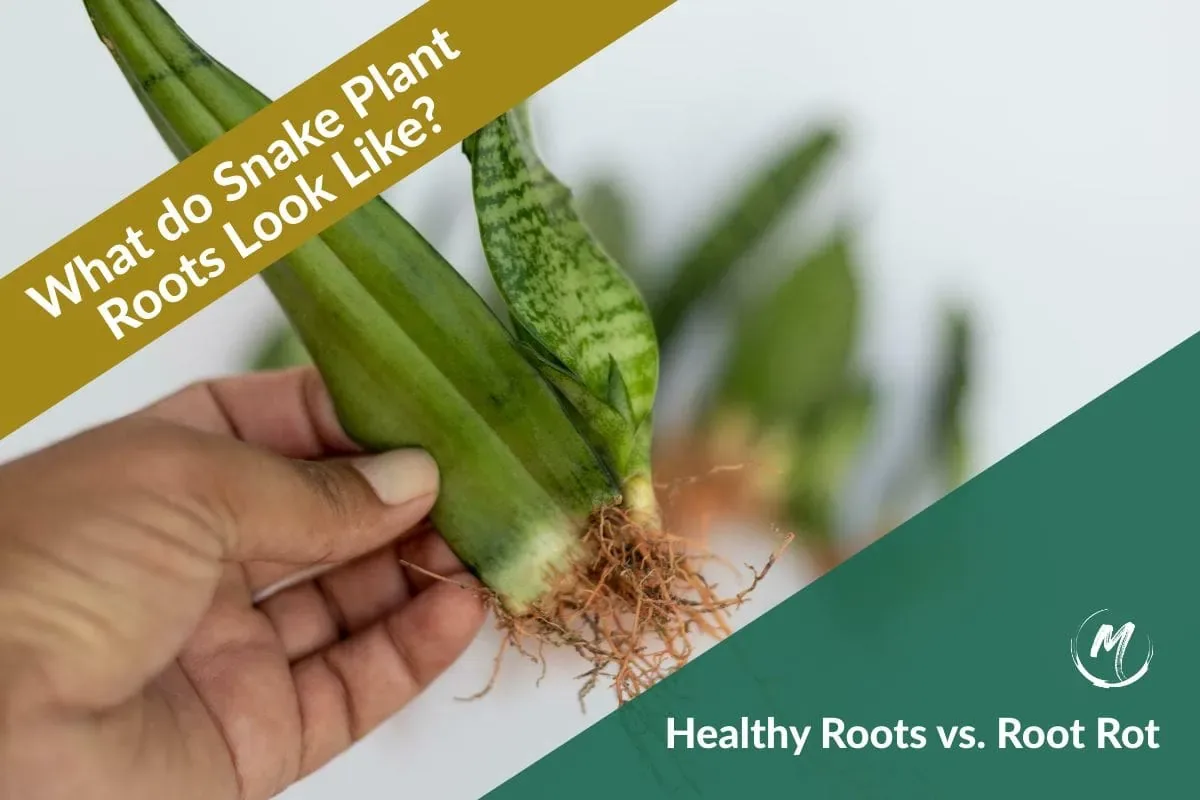
Image source: Web (Bing) / microveggy.com (Web image (fair-use with source credit))
Step 4: Look for pests and physical damage. Mealybugs or spider mites can stress the plant enough to stop growth. Check the leaf undersides and the crown of the plant. Treat with insecticidal soap or neem oil.
Follow this tree, and you’ll identify the issue in under five minutes.
How to Fix Whatever You Just Found
Each problem has a straightforward fix. Let’s go through them one by one.
If you’re overwatering: Stop watering immediately. Let the soil dry out completely. If the leaves are already yellowing or the stem is soft, you need to unpot, cut away any rotted roots, and repot in fresh, dry soil.
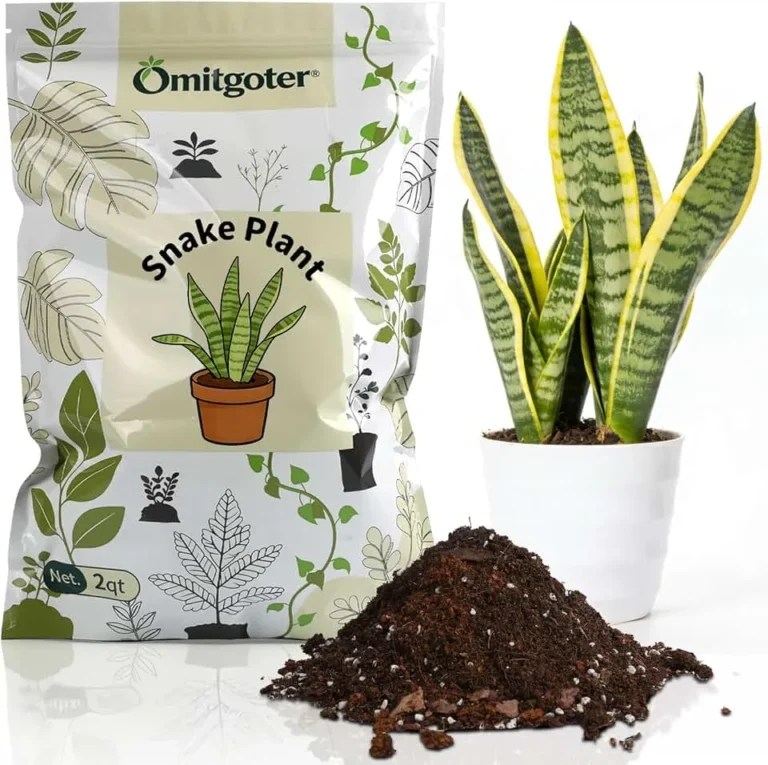
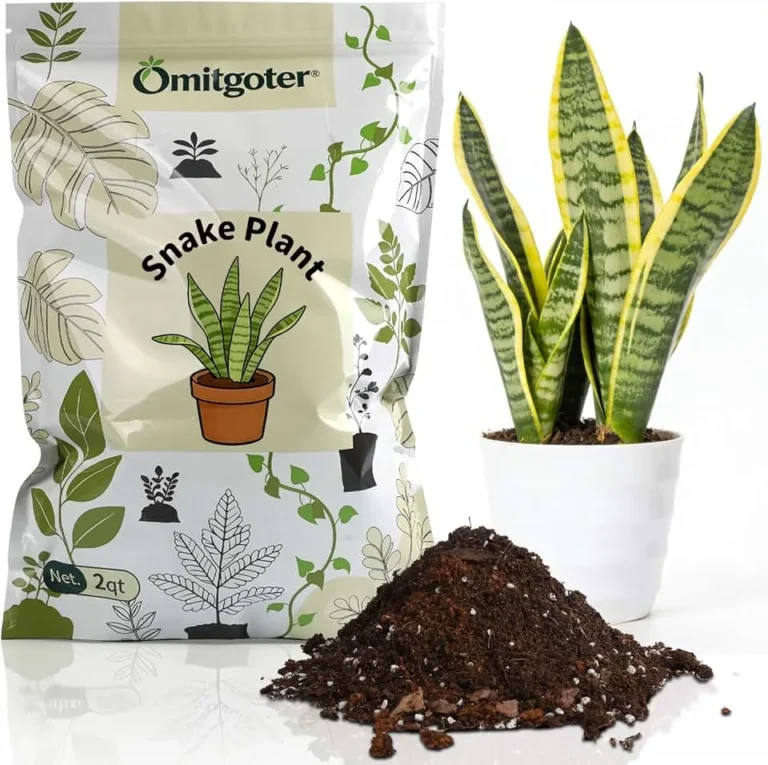
Use a cactus or succulent mix with added perlite. Water only when the top two inches are bone dry.
If the light is too low: Move the plant to a brighter spot. A south- or east-facing window is ideal, but keep it out of direct midday sun (that will scorch the leaves). If you don’t have a good window, a standard LED grow light placed 12 to 18 inches above the plant for 8 to 10 hours a day works perfectly.
If the plant is root-bound: Repot into a container that is one to two inches wider in diameter. Use well-draining soil and a pot with drainage holes. Don’t go too big, oversized pots hold too much moisture and lead to rot.
If the root mass is dense but healthy, you can also divide the plant by cutting through the rhizomes and repotting each section separately.
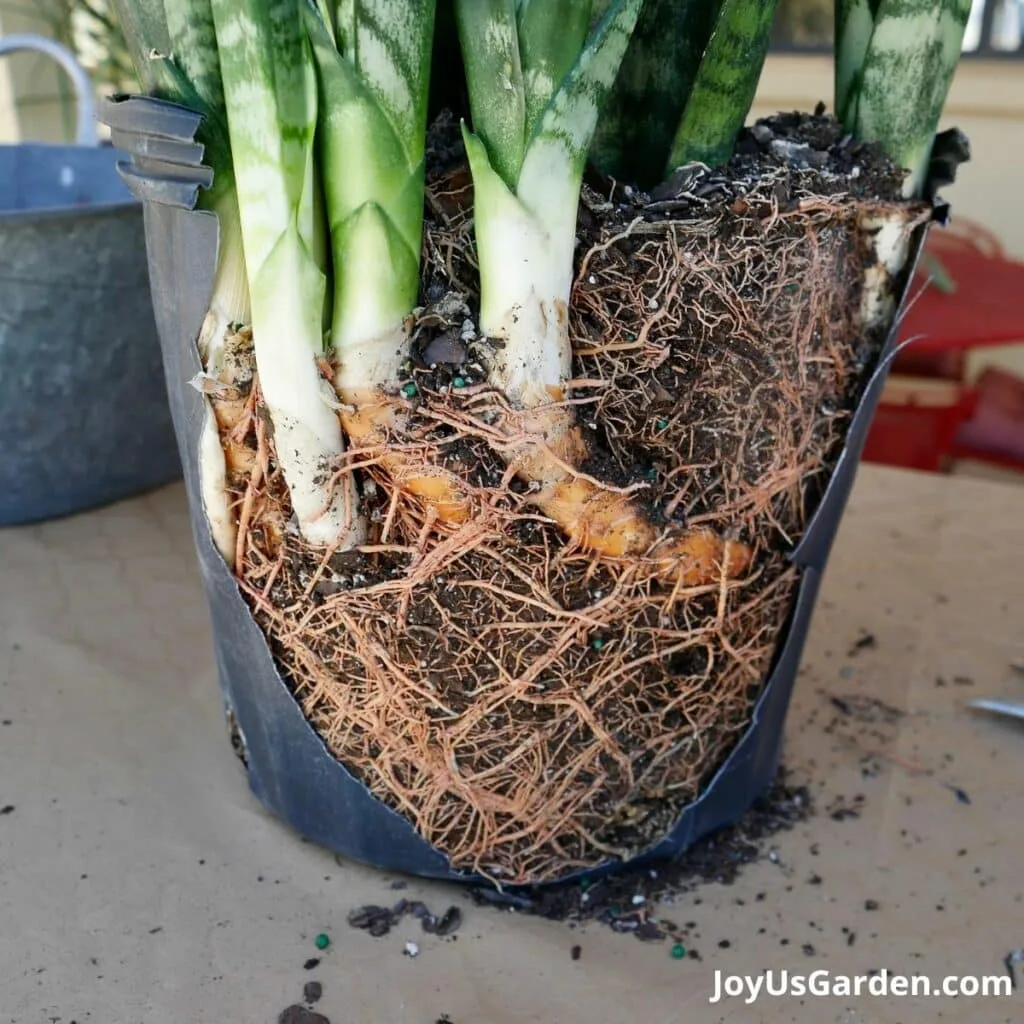
Image source: Web (Bing) / joyusgarden.com (Web image (fair-use with source credit))
If pests are present: Wipe the leaves with a cotton swab dipped in rubbing alcohol. For larger infestations, spray with insecticidal soap every five to seven days until you see no more signs.
After any fix, give the plant at least four weeks before expecting new growth. Snake plants are patient. You have to be too.
Common Mistakes That Keep Snake Plants Stuck
Even experienced plant owners trip over these four errors. Avoid them and your snake plant will thank you.
Mistake 1: Watering on a schedule. “Every Sunday” is a recipe for root rot. Always check the soil first. In winter, you might water once a month.
In summer, every two weeks. Let the plant tell you when it’s thirsty.
Mistake 2: Using regular potting soil. Snake plants need fast-draining mix. Standard indoor potting soil holds too much water. Use a cactus or succulent blend, or mix your own with two parts potting soil, one part perlite, one part coarse sand.
Mistake 3: Ignoring the dormancy period. Snake plants naturally slow or stop growing in winter when light levels drop and temperatures cool. This is not a problem. If everything else checks out, just wait until spring.
New growth will resume as days lengthen.
Mistake 4: Overfeeding. Snake plants are light feeders. Fertilizing more than twice a year (once in spring, once in midsummer) with a balanced houseplant fertilizer diluted to half strength is plenty. Too much fertilizer causes salt buildup that burns the roots and halts growth.
Keep these mistakes in mind, and you’ll avoid the most common setbacks. Next we’ll cover long-term care so your snake plant keeps growing year after year.
Preventing Future Growth Stalls (Long-Term Care)
Once your snake plant starts growing again, the goal is to keep it that way. Consistency matters more than perfection.
Give it enough light year-round. As of 2026, most indoor snake plants still sit in corners that are too dark. Keep yours within three to four feet of a bright window. If winter light drops, supplement with a basic LED grow light for eight hours a day.
Water by feel, not by calendar. The soak-and-dry method works every time. Water thoroughly, let the excess drain, then wait until the top two inches of soil are completely dry before watering again. In winter this might mean once a month.
In summer, every two weeks.
Repot only when needed. Snake plants like tight pots. Repot every two to three years, or when roots start pushing out of the drainage holes. When you do repot, go up just one size.
An oversized pot holds too much moisture and invites rot.
Fertilize sparingly. A balanced liquid houseplant fertilizer diluted to half strength, applied once in spring and once in midsummer, is plenty. Skip fertilizing entirely in fall and winter.
Watch the temperature. Snake plants stop growing below 50°F (10°C) and show stress above 95°F (35°C). Keep yours in a room that stays between 60°F and 85°F. Avoid drafts from windows, air conditioners, or heating vents.
Stick with these habits and you’ll rarely see another long stall. Now let’s cover the questions people ask most.
Frequently Asked Questions
How long does it take for a snake plant to grow new leaves after fixing the problem?
Expect to wait four to eight weeks before you see the first new leaf. Snake plants are slow responders. Once you correct the issue, the plant needs time to redirect energy into growth.
Be patient. New leaves emerge from the center of the plant as rolled spears.
Can a snake plant grow in zero natural light?
No. Snake plants tolerate low light but they cannot grow in complete darkness. They need at least some indirect light for photosynthesis.
If you have a windowless room, use a grow light running eight to ten hours per day.
Should I cut off yellow leaves on my snake plant?
Yes, but only after you fix the underlying cause. Yellow leaves mean the plant is stressed, often from overwatering. Remove them with clean scissors once they start to dry out.
The plant won’t waste energy trying to save damaged leaves.
Does misting help a snake plant grow?
No. Snake plants are native to dry tropical regions. They don’t need high humidity.
Misting can actually lead to fungal issues if water sits in the leaf folds. Focus on light and watering instead.
How do I know if my snake plant has root rot without pulling it out?
Check for soft, mushy leaves at the base. If the leaves feel squishy or the plant wobbles in the pot, root rot is likely. A musty smell from the soil is another tell.
The only way to confirm is to unpot and inspect the roots. Healthy roots are firm and white or tan. Rotten roots are brown, black, and mushy.
Is it normal for an older snake plant to stop growing?
Not entirely. Mature snake plants slow down but rarely stop completely. If a plant that has been healthy for years suddenly stalls, check the pot.
It may be severely root-bound or the soil may be depleted. Dividing the plant often restarts vigorous growth.